What is clay in skincare?
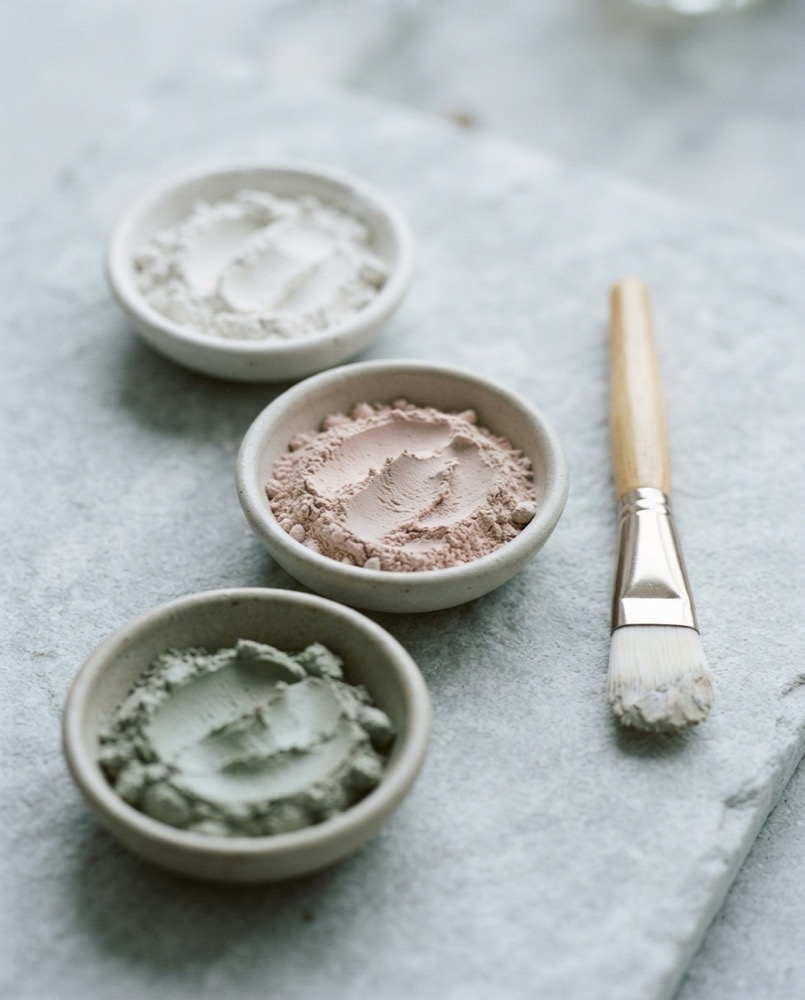
Clay in skincare means fine-grained mineral powders formed from weathered rock – kaolin, bentonite, montmorillonite, French green clay, rhassoul and fuller’s earth are the common ones. Each has a different mineral content and a different appetite for oil.
They work through adsorption and ion exchange: the charged mineral platelets bind sebum, dirt and bacteria on the skin surface. Reviews of clay minerals in dermocosmetics cover their absorbent, cleansing and mildly antibacterial properties.
What skin concerns does clay treat?
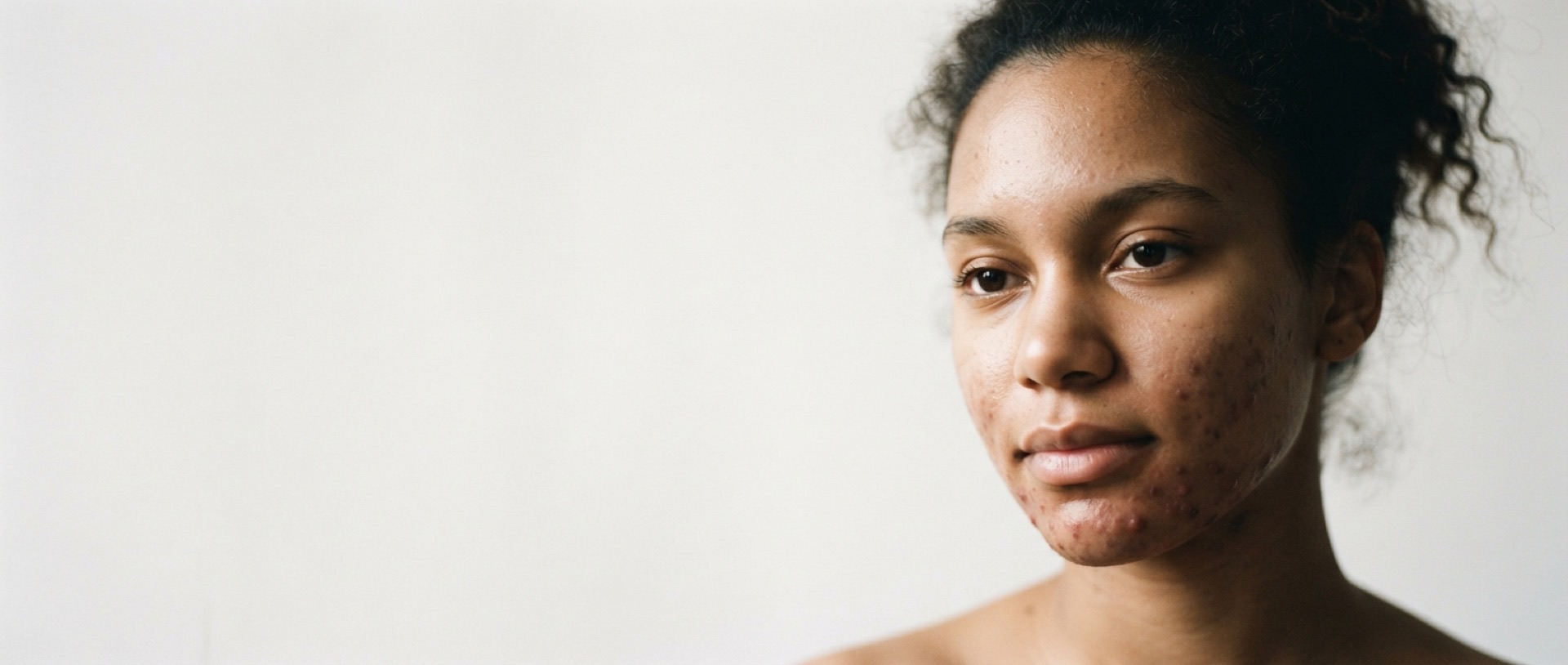
Clay masks suit oily, combination and congested skin. A clinical assessment of a clay mask in oily and acne-prone skin found measurable reductions in sebum and improvements in the look of pores.
They also help body breakouts and scalp oiliness. The limitation is duration: the effect is temporary, and over-use dehydrates the skin, which prompts it to produce more oil. Once or twice a week is the sensible ceiling.
What ingredients are best paired with clay?
Match the clay to the skin: kaolin is the mildest and suits sensitive or drier skin, bentonite and fuller’s earth are the most absorbent and suit oily skin.
Blend or follow with soothing, hydrating ingredients – glycerin, hyaluronic acid, aloe, colloidal oatmeal, niacinamide. Rinse the mask before it cracks; a fully dried clay mask pulls moisture out of the skin as well as oil. Take our Skin Quiz.
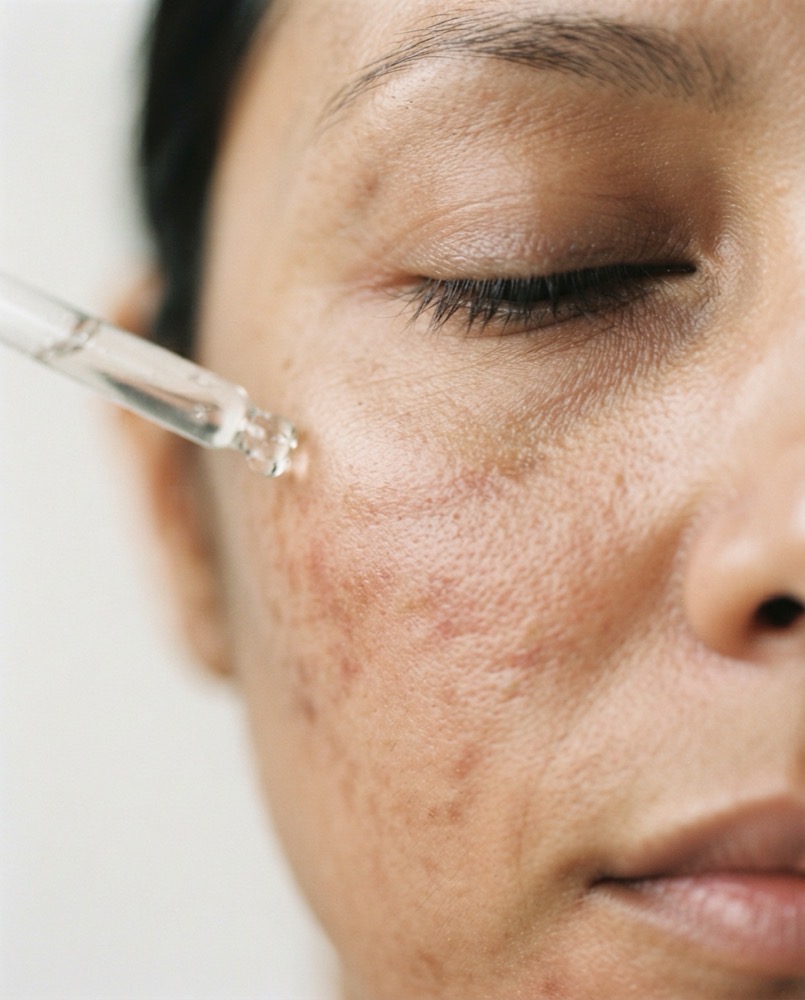
What is uneven skin tone?
Uneven skin tone describes a complexion that reads patchy rather than uniform – a mix of darker and lighter areas, lingering red or brown marks, blotchy cheeks, and a general loss of clarity.
It usually combines several things at once: hyperpigmentation from sun or inflammation, persistent redness, and surface build-up of dead cells that makes the whole face look mottled and dull.
What causes uneven skin tone?
Ultraviolet exposure is the dominant cause, stimulating melanin unevenly across the face. Post-inflammatory marks from acne, eczema or irritation add brown or red patches that can persist for months.
Hormonal pigmentation, slowed cell turnover with age, dehydration, pollution, smoking and a damaged barrier all compound it. Aggressive scrubbing or unsupervised strong actives frequently make tone more uneven, not less.
What ingredients are best for uneven skin tone?
Vitamin C and niacinamide are the reliable everyday choices – one protects and brightens, the other evens tone and strengthens the barrier. Azelaic acid is unusually useful because it addresses brown marks and redness at once.
Add gentle exfoliation with lactic or glycolic acid to clear surface build-up, retinol to accelerate turnover, and alpha arbutin or tranexamic acid for stubborn pigment. Daily broad-spectrum SPF is what makes the results stick. Take our Skin Quiz.