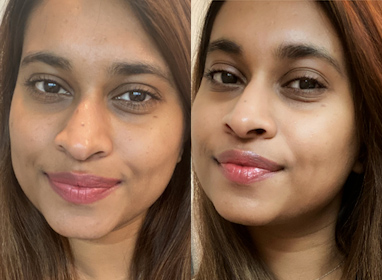
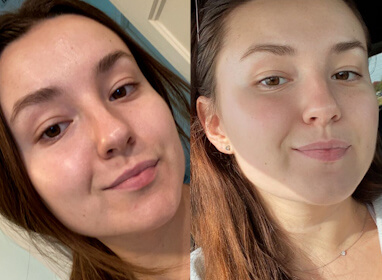
What is green tea in skincare?
Green tea extract comes from the unfermented leaves of Camellia sinensis. Its activity is driven by polyphenols called catechins, the most abundant and most studied of which is epigallocatechin gallate, or EGCG.
On an ingredients list it appears as Camellia sinensis leaf extract. Because the catechins are potent antioxidants and anti-inflammatories, green tea has become one of the best-researched botanical actives in skincare.
What skin concerns does green tea treat?
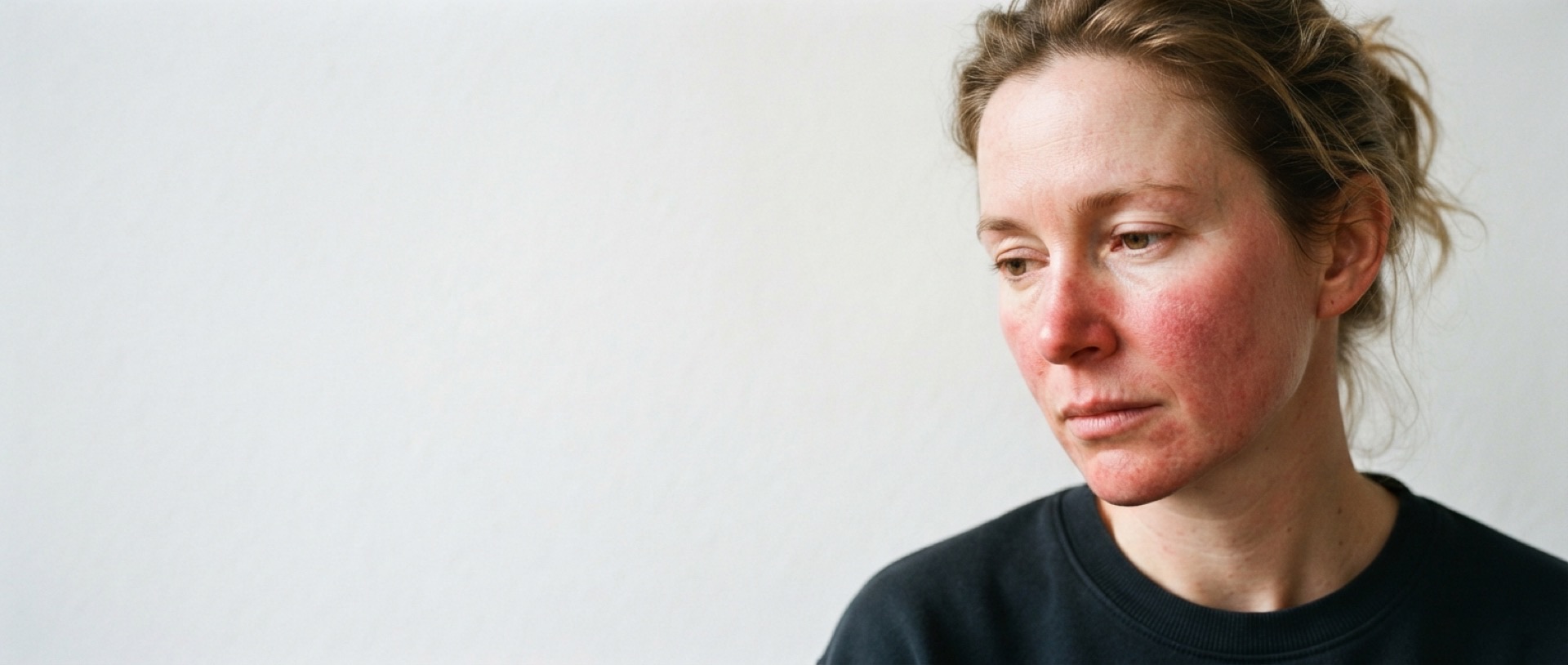
It calms redness and irritation, making it useful for rosacea-prone, sensitive and post-procedure skin. Its antibacterial and sebum-regulating effects help mild acne and oily skin.
Topical application reduces UV-induced damage and inflammation, which positions green tea as a preventative anti-ageing ingredient alongside sunscreen rather than a replacement for it. It also supports skin under the eyes where puffiness is a concern.
What ingredients are best paired with green tea?
Layer it with other antioxidants – vitamin C, vitamin E, resveratrol, ferulic acid – for broader free-radical coverage in the morning.
For acne it works well with niacinamide and salicylic acid; for sensitivity, with centella asiatica, panthenol and ceramides. It is gentle enough to combine with almost anything, and is a good way to add antioxidant protection to a routine built around retinoids. Take our Skin Quiz.
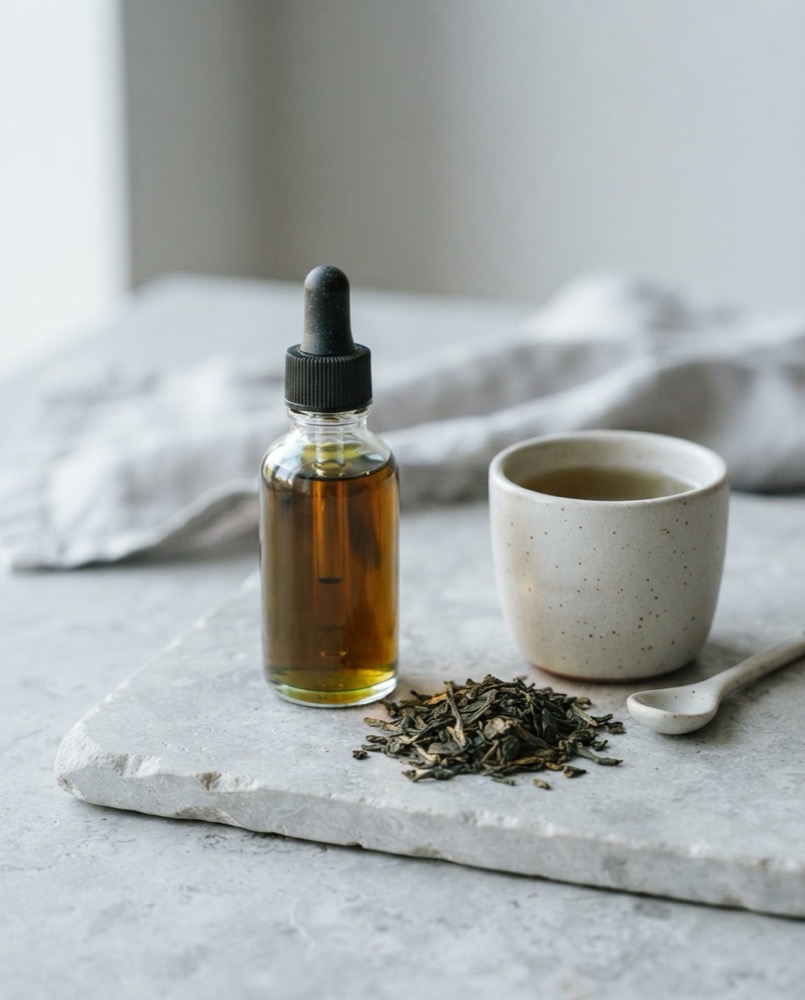
What is bumpy skin?
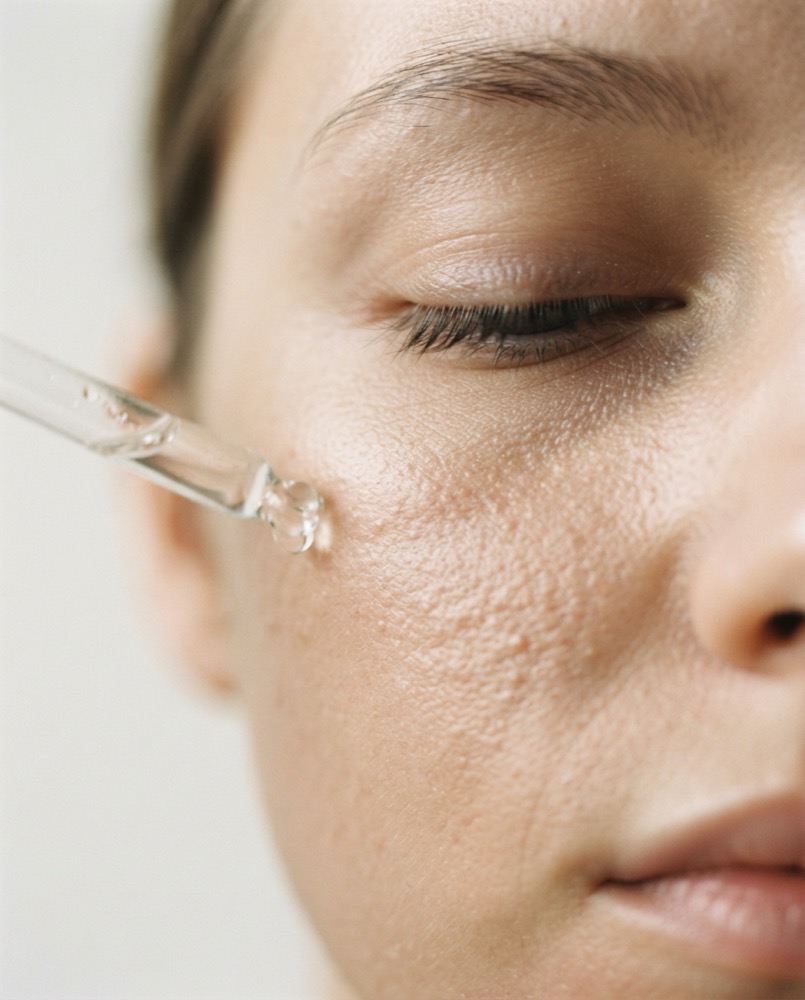
Bumpy skin is a texture problem rather than a single condition. It covers the rough, uneven surface you can feel more than see – most often keratosis pilaris (small hard bumps on the upper arms, thighs and cheeks), closed comedones, milia, or simple build-up of dead cells on the surface.
Keratosis pilaris in particular affects a large share of the population and is harmless, but it makes skin feel like sandpaper and can be stubborn to smooth out.
What causes bumpy skin?
Most bumpy texture comes from keratin plugging the follicle. When dead cells fail to shed cleanly, they collect at the pore opening and form a firm bump – a process closely linked to a weakened permeability barrier and low skin hydration.
Genetics, dry skin, cold weather, eczema and a history of over-scrubbing all make it worse. Aggressive physical exfoliation tends to backfire, inflaming the follicle and thickening the plug.
What ingredients are best for bumpy skin?
Chemical exfoliation works far better than scrubbing. Salicylic acid clears inside the follicle, lactic and glycolic acid loosen surface build-up, and urea both exfoliates and hydrates.
Retinoids normalise how skin sheds over time, while ceramides, niacinamide and hyaluronic acid keep the barrier strong so the plugs stop reforming. Consistency matters more than strength here. Take our Skin Quiz to work out which exfoliant your skin can tolerate.