

What is clay in skincare?
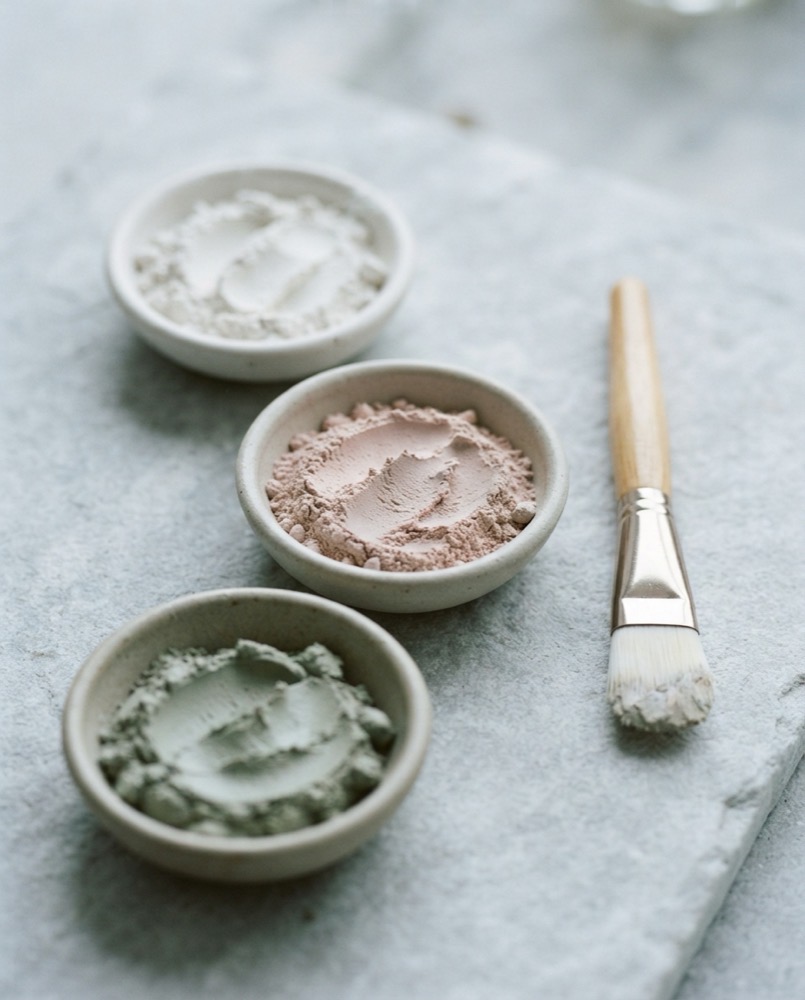
Clay in skincare means fine-grained mineral powders formed from weathered rock – kaolin, bentonite, montmorillonite, French green clay, rhassoul and fuller’s earth are the common ones. Each has a different mineral content and a different appetite for oil.
They work through adsorption and ion exchange: the charged mineral platelets bind sebum, dirt and bacteria on the skin surface. Reviews of clay minerals in dermocosmetics cover their absorbent, cleansing and mildly antibacterial properties.
What skin concerns does clay treat?
Clay masks suit oily, combination and congested skin. A clinical assessment of a clay mask in oily and acne-prone skin found measurable reductions in sebum and improvements in the look of pores.
They also help body breakouts and scalp oiliness. The limitation is duration: the effect is temporary, and over-use dehydrates the skin, which prompts it to produce more oil. Once or twice a week is the sensible ceiling.
What ingredients are best paired with clay?
Match the clay to the skin: kaolin is the mildest and suits sensitive or drier skin, bentonite and fuller’s earth are the most absorbent and suit oily skin.
Blend or follow with soothing, hydrating ingredients – glycerin, hyaluronic acid, aloe, colloidal oatmeal, niacinamide. Rinse the mask before it cracks; a fully dried clay mask pulls moisture out of the skin as well as oil. Take our Skin Quiz.
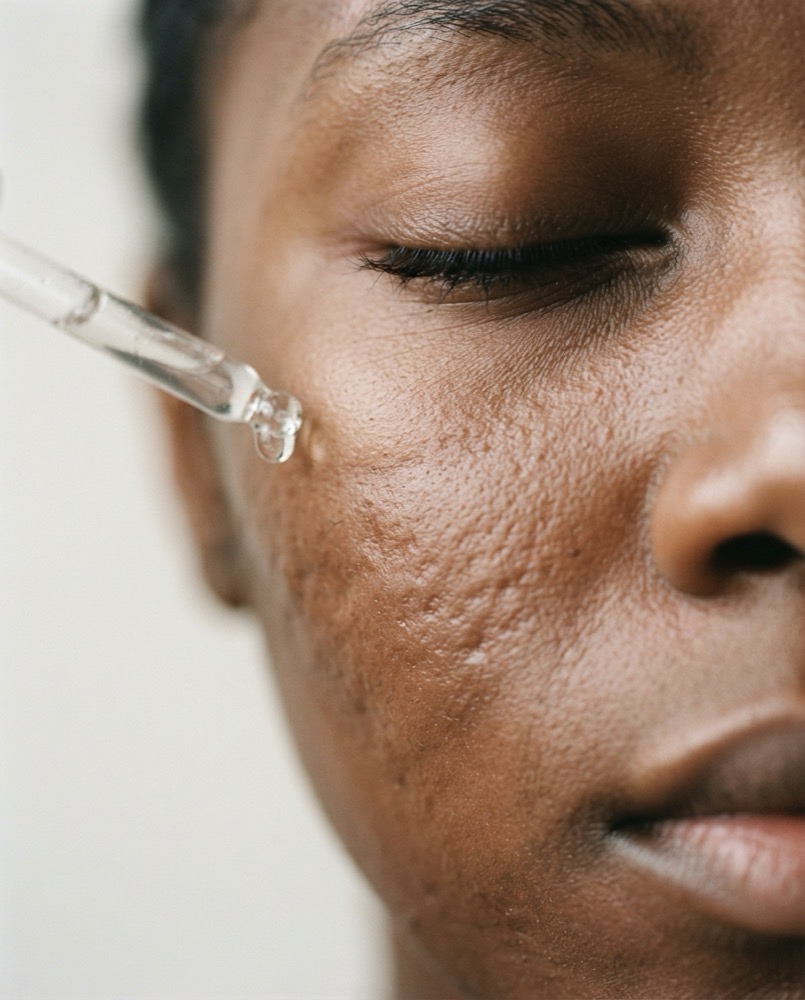
What are acne scars?
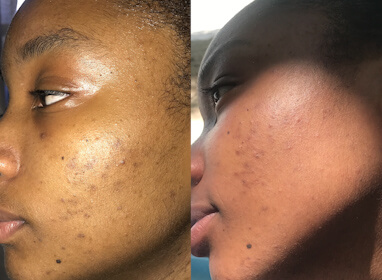
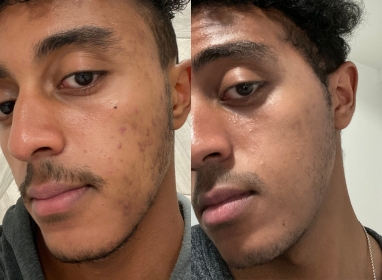
Acne scars are permanent changes in skin texture left behind after inflammatory acne damages the dermis. They fall into two families: atrophic scars, which sit below the surface as ice-pick, boxcar or rolling depressions, and hypertrophic or keloid scars, which sit raised above it.
What most people call scarring is often post-inflammatory hyperpigmentation or erythema – flat brown or red marks with no texture change. Those fade on their own; true atrophic scars do not.
What causes acne scars?
Scarring happens when inflammation reaches deep enough to destroy collagen and the repair process either lays down too little (atrophic) or too much (hypertrophic). Deep nodular and cystic lesions carry the highest risk.
Delaying treatment, picking or squeezing, and prolonged inflammation all increase the odds. Genetics play a large part in who scars and how, which is why two people with identical acne can heal very differently.
What ingredients are best for acne scars?
For flat marks, ingredients that speed turnover and calm pigment work well: retinoids, vitamin C, niacinamide, azelaic acid, alpha arbutin and AHAs, with daily SPF to stop marks darkening again.
For true textural scarring, topicals can soften but not erase – retinoids and peptides help remodel collagen over months, while in-clinic options like microneedling, resurfacing and subcision do the heavy lifting. Preventing new inflammation is the highest-value step. Take our Skin Quiz.