What is castor oil in skincare?
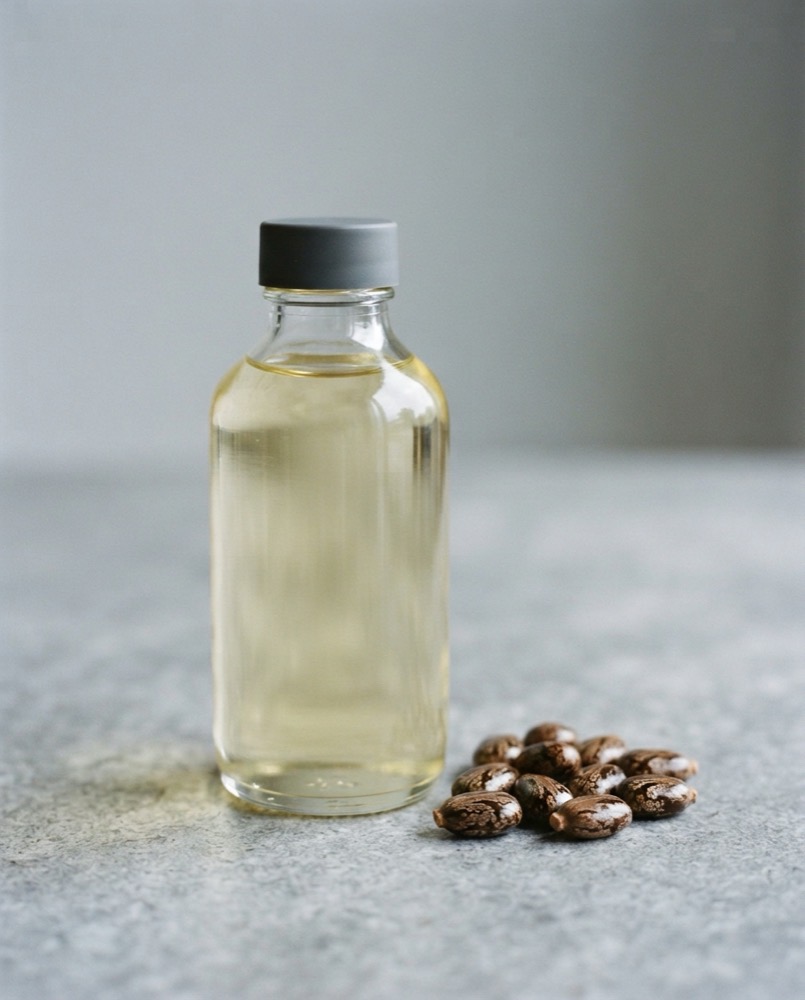
Castor oil is pressed from the seeds of Ricinus communis. It is chemically unlike any other common plant oil: around 90% of it is ricinoleic acid, an unusual hydroxylated fatty acid that gives castor oil its extreme thickness and its distinctive properties.
That hydroxyl group makes it both an occlusive and a humectant – it seals the surface while also attracting water – and gives it genuine anti-inflammatory and antimicrobial activity.
What skin concerns does castor oil treat?
It excels on very dry, cracked or chapped skin, lips, cuticles and heels, where a thick occlusive is exactly what is needed. Its anti-inflammatory action also helps irritated patches.
It is a component of many oil cleansers because it dissolves sebum and makeup effectively. On its own it is far too heavy and sticky for facial moisturising, and it can congest pores if left on oily skin.
What ingredients are best paired with castor oil?
In cleansing balms it is diluted with lighter oils – sunflower, jojoba or sweet almond – usually at 10 to 30%, since undiluted castor oil is drying on the face despite being an oil.
For dry patches, apply it over a hydrating layer so it seals moisture rather than sealing dryness in. Pair with shea butter or ceramides for hands, feet and lips. Take our Skin Quiz.
What is uneven skin tone?
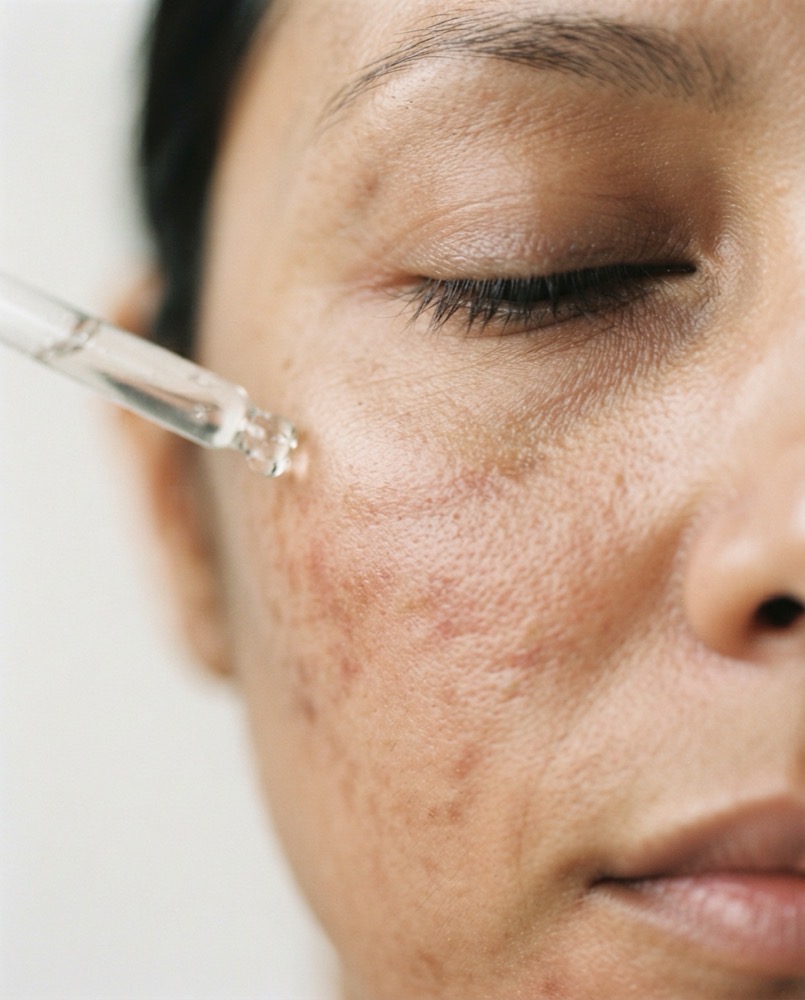
Uneven skin tone describes a complexion that reads patchy rather than uniform – a mix of darker and lighter areas, lingering red or brown marks, blotchy cheeks, and a general loss of clarity.
It usually combines several things at once: hyperpigmentation from sun or inflammation, persistent redness, and surface build-up of dead cells that makes the whole face look mottled and dull.
What causes uneven skin tone?
Ultraviolet exposure is the dominant cause, stimulating melanin unevenly across the face. Post-inflammatory marks from acne, eczema or irritation add brown or red patches that can persist for months.
Hormonal pigmentation, slowed cell turnover with age, dehydration, pollution, smoking and a damaged barrier all compound it. Aggressive scrubbing or unsupervised strong actives frequently make tone more uneven, not less.
What ingredients are best for uneven skin tone?
Vitamin C and niacinamide are the reliable everyday choices – one protects and brightens, the other evens tone and strengthens the barrier. Azelaic acid is unusually useful because it addresses brown marks and redness at once.
Add gentle exfoliation with lactic or glycolic acid to clear surface build-up, retinol to accelerate turnover, and alpha arbutin or tranexamic acid for stubborn pigment. Daily broad-spectrum SPF is what makes the results stick. Take our Skin Quiz.