What is castor oil in skincare?
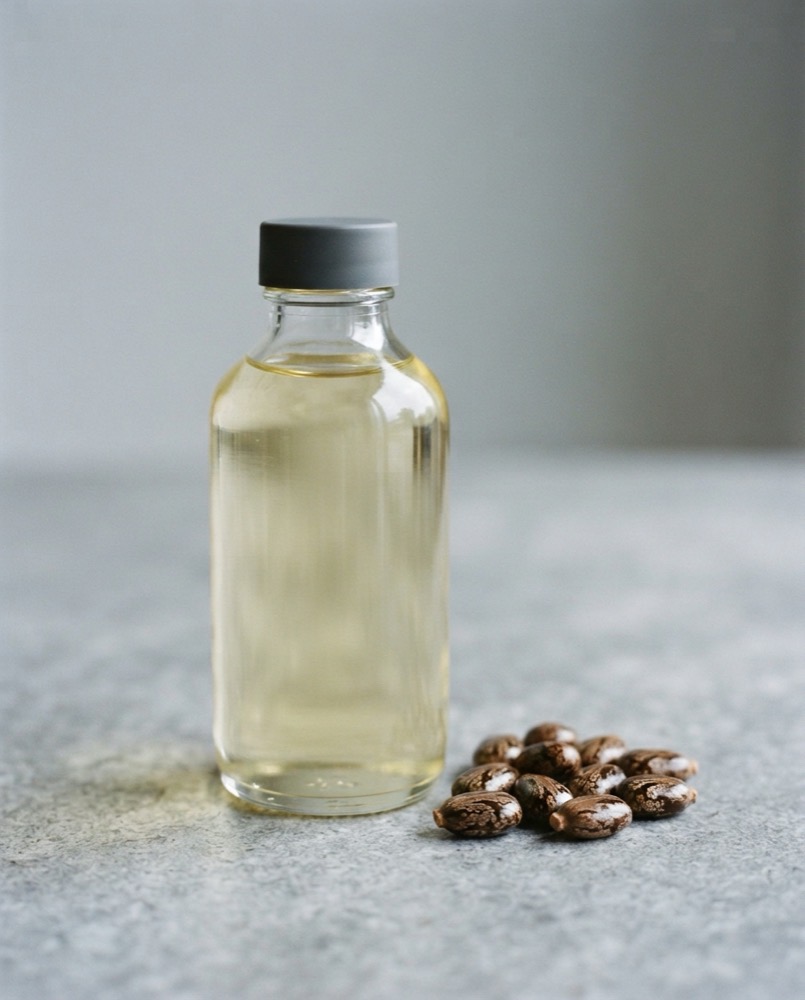
Castor oil is pressed from the seeds of Ricinus communis. It is chemically unlike any other common plant oil: around 90% of it is ricinoleic acid, an unusual hydroxylated fatty acid that gives castor oil its extreme thickness and its distinctive properties.
That hydroxyl group makes it both an occlusive and a humectant – it seals the surface while also attracting water – and gives it genuine anti-inflammatory and antimicrobial activity.
What skin concerns does castor oil treat?
It excels on very dry, cracked or chapped skin, lips, cuticles and heels, where a thick occlusive is exactly what is needed. Its anti-inflammatory action also helps irritated patches.
It is a component of many oil cleansers because it dissolves sebum and makeup effectively. On its own it is far too heavy and sticky for facial moisturising, and it can congest pores if left on oily skin.
What ingredients are best paired with castor oil?
In cleansing balms it is diluted with lighter oils – sunflower, jojoba or sweet almond – usually at 10 to 30%, since undiluted castor oil is drying on the face despite being an oil.
For dry patches, apply it over a hydrating layer so it seals moisture rather than sealing dryness in. Pair with shea butter or ceramides for hands, feet and lips. Take our Skin Quiz.
What is redness?
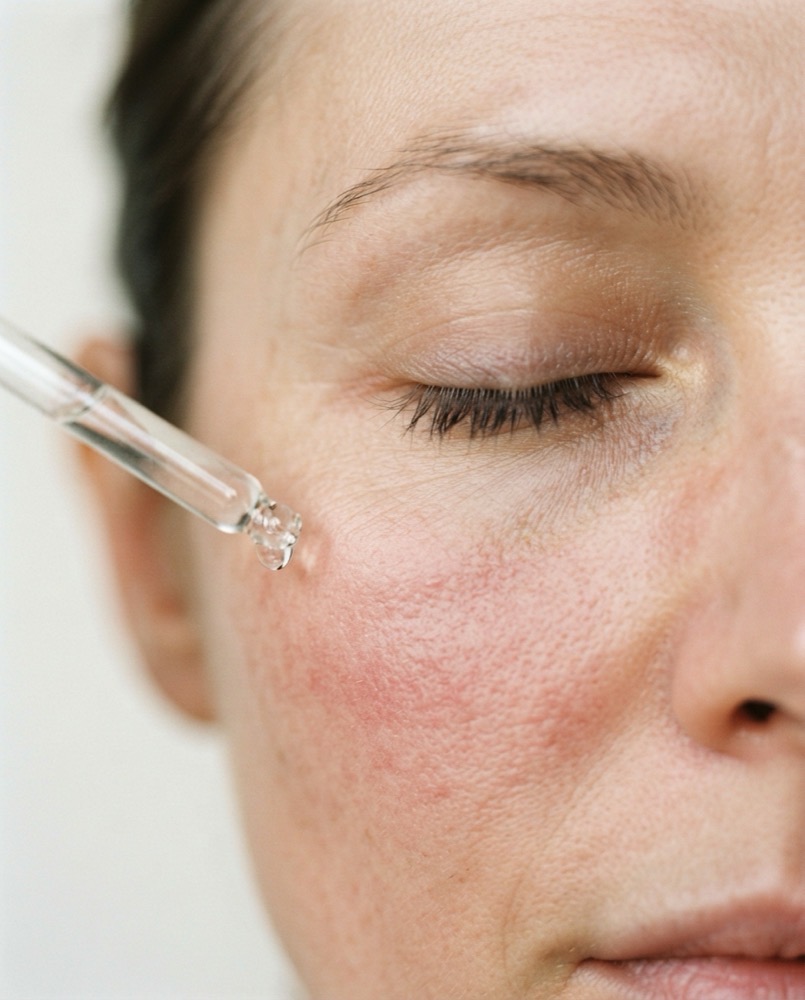
Facial redness is visible dilation of the small blood vessels near the skin’s surface. It ranges from transient flushing that comes and goes, to persistent erythema across the cheeks and nose, to fixed thread veins that stay visible all the time.
Redness is a symptom rather than a diagnosis. It can signal rosacea, irritation, an over-exfoliated barrier, eczema, an allergic reaction or simply reactive skin that responds strongly to heat and stress.
What causes redness?
Most persistent redness traces back to a compromised barrier and heightened nerve sensitivity. When the barrier thins, irritants penetrate more easily and the skin mounts an inflammatory response to things it would normally tolerate.
Common aggravators: over-exfoliation, high-strength actives used too often, fragrance and essential oils, hot water, alcohol, spicy food, sudden temperature change, sun exposure and stress. Trying to treat redness with more actives usually deepens it.
What ingredients are best for redness?
Prioritise calming and rebuilding over correcting. Niacinamide, azelaic acid, centella asiatica, green tea extract, liquorice root, allantoin, bisabolol and colloidal oatmeal all reduce visible inflammation.
Then repair the barrier with ceramides, cholesterol, fatty acids, glycerin, panthenol and squalane, and protect it with a gentle mineral SPF. Strip the routine back to cleanser, moisturiser and sunscreen for a few weeks before reintroducing anything active. Take our Skin Quiz.