What is castile soap in skincare?
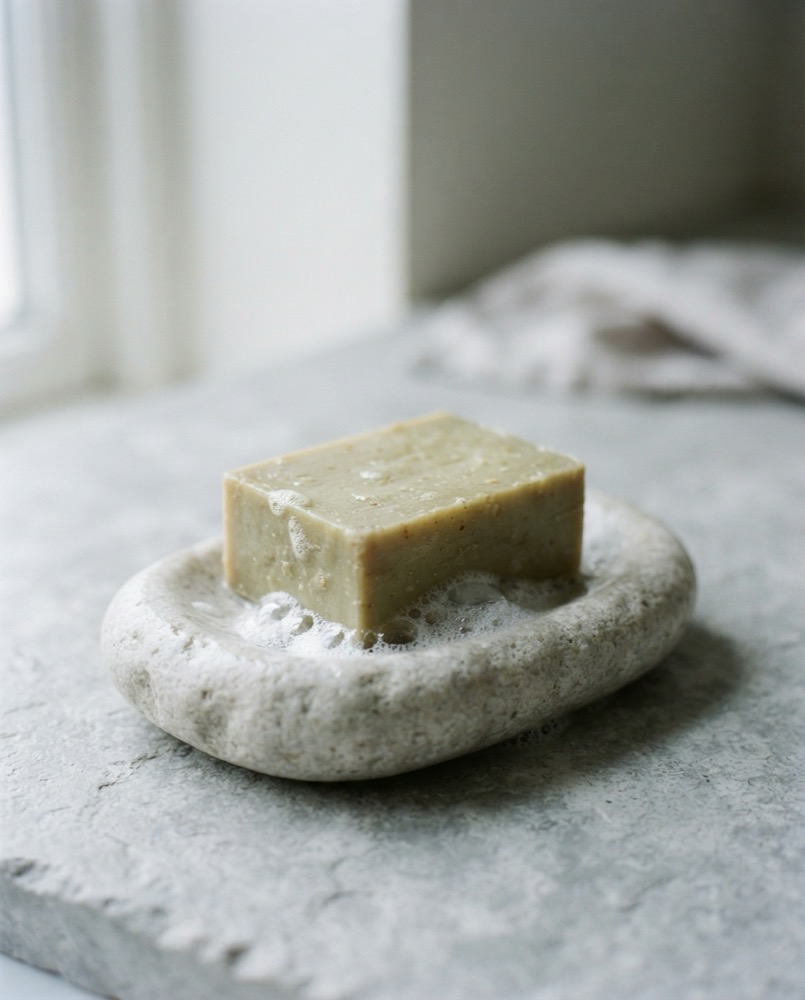
Castile soap is a true soap made by saponifying vegetable oils – traditionally olive oil, now often a blend with coconut and hemp – with an alkali. It contains no synthetic detergents, which is the basis of its natural reputation.
That chemistry has an unavoidable consequence: real soap is alkaline, typically pH 9 to 10. Healthy skin sits at roughly pH 4.7 to 5.75, the acid mantle that keeps enzymes working and pathogens out.
What skin concerns does castile soap treat?
It cleans very effectively, is biodegradable and free of synthetic surfactants, and is a reasonable choice for household cleaning, hands and some body use.
On the face it is a poor fit. Comparisons of soaps and syndets consistently show true soaps raise skin pH and disrupt the barrier more than pH-balanced synthetic cleansers. The tight, squeaky feeling afterwards is stripped lipids, and skin often responds by producing more oil.
What ingredients are best paired with castile soap?
If you use it on the body, follow immediately with a moisturiser containing ceramides, glycerin or shea butter, and keep it off the face, eye area and any eczema-prone skin.
For facial cleansing, a pH-balanced gel, cream or oil cleanser is a better choice for every skin type – gentler on the barrier and just as clean. Never use castile soap with an acidic product in the same step; the reaction leaves a curdled residue. Take our Skin Quiz.
What is dullness?
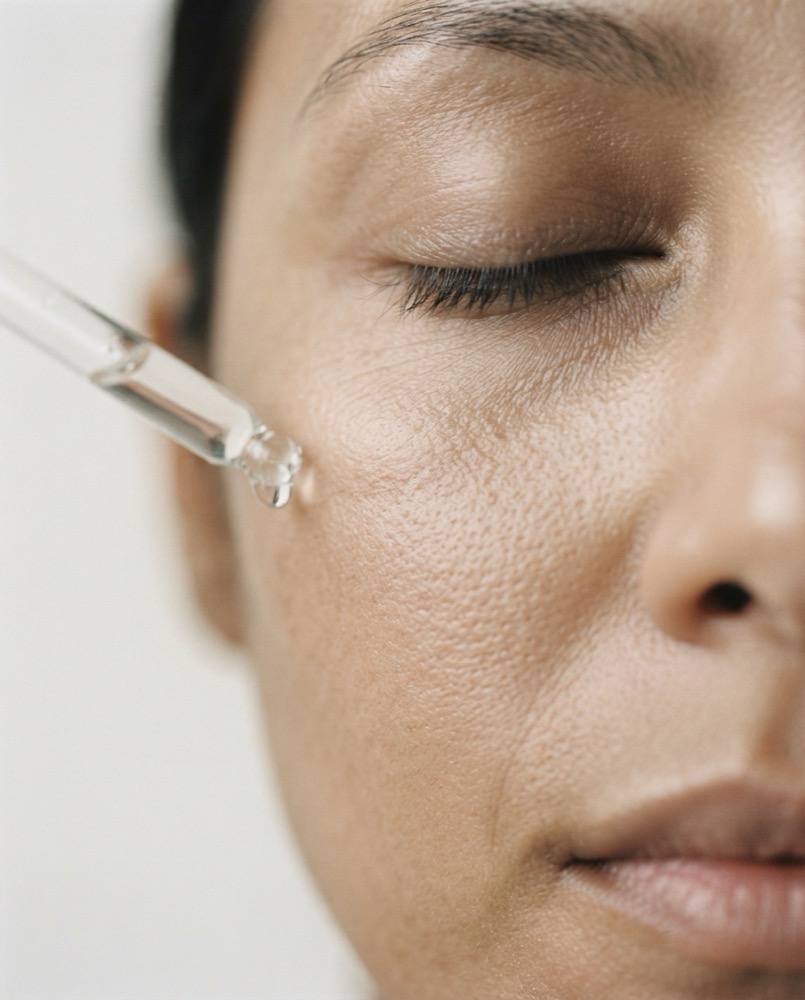
Healthy skin reflects light evenly, which is what reads as bright and glowing. Dull skin does the opposite – it looks flat, ashy, grey or sallow, and makeup tends to sit on top of it rather than blend in.
Dullness is not a condition in itself but a visible symptom: a build-up of dead cells, dehydration and reduced microcirculation that together stop light bouncing cleanly off the skin’s surface.
What causes dull skin?
Dead skin cells that do not shed naturally accumulate on the surface and scatter light unevenly. Dehydration flattens those cells so they no longer sit plump against one another, and overly dry skin can damage the follicles and slow the production of collagen and sebum – all of which make the complexion look duller or ashier.
Lifestyle and environment do the rest. Sun exposure, pollution, smoking, alcohol, broken sleep and stress all accelerate free-radical damage, while cell turnover naturally slows with age, so skin loses the reflectivity it had in your twenties.
What ingredients are best for dullness?
Brightening dull skin comes down to three things: gentle exfoliation, consistent hydration and antioxidant protection. Vitamin C, alpha-hydroxy acids such as glycolic and lactic acid, salicylic acid, retinol and vitamin A, niacinamide, green tea extract, coenzyme Q10 and rosehip oil all help resurface, even out tone and defend against free radicals.
Hyaluronic acid and hydrolysed collagen plump the skin so it reflects more light, and daily broad-spectrum sunscreen prevents the UV damage that dulls the complexion in the first place. Take our Skin Quiz to find the exact combination your skin needs.