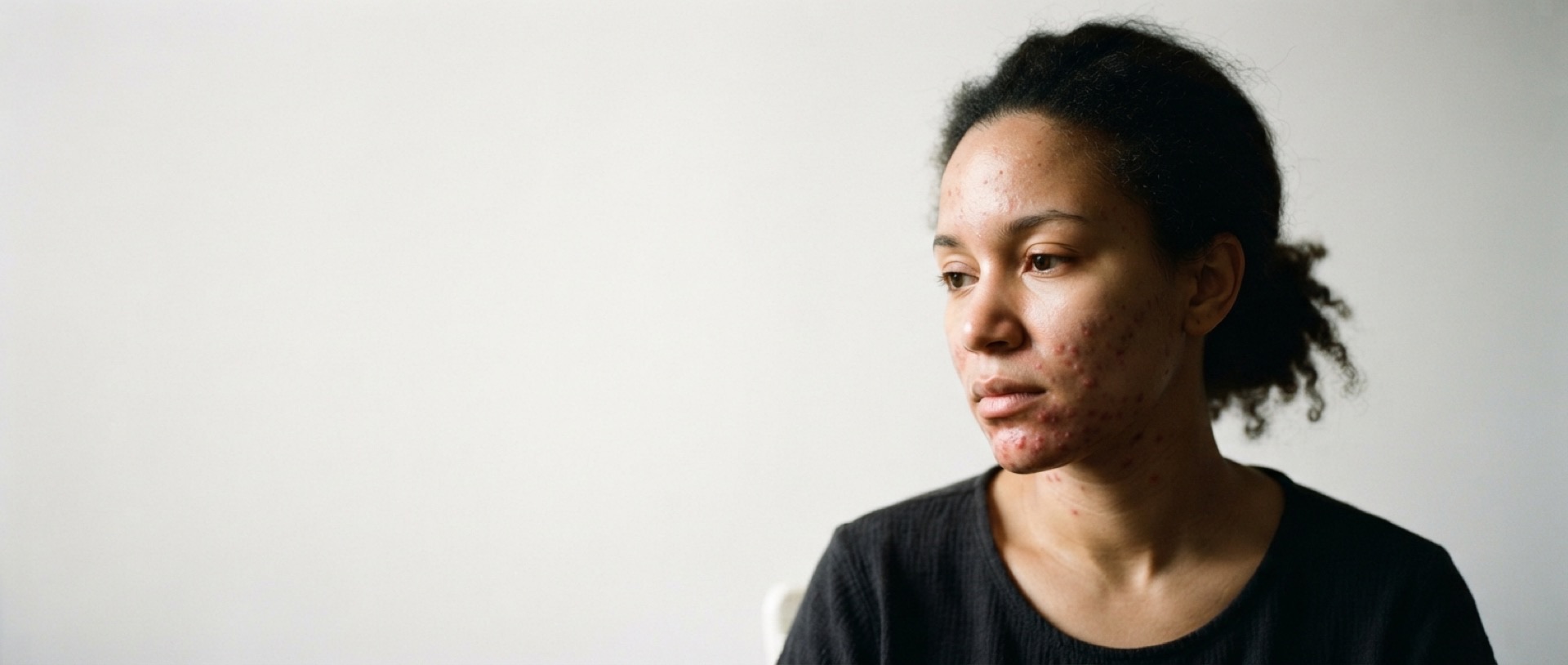
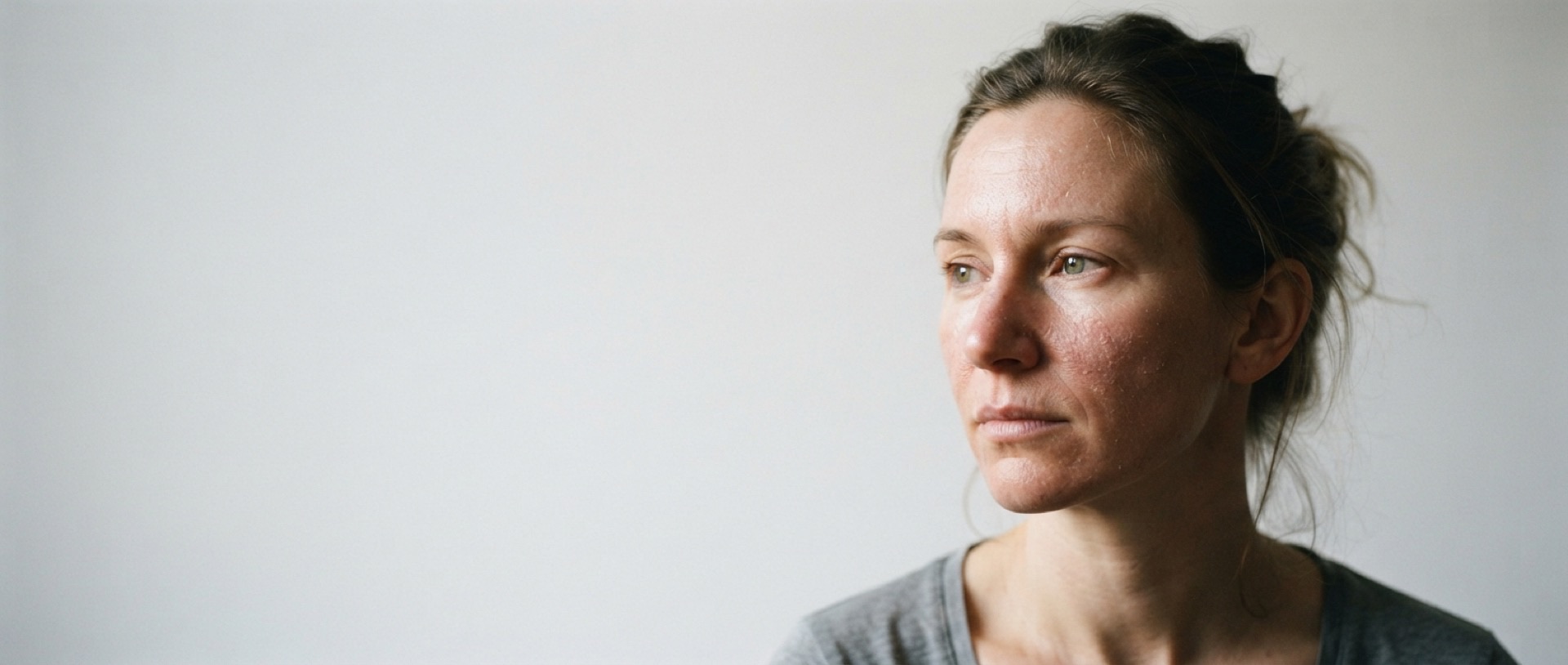
What is castile soap in skincare?
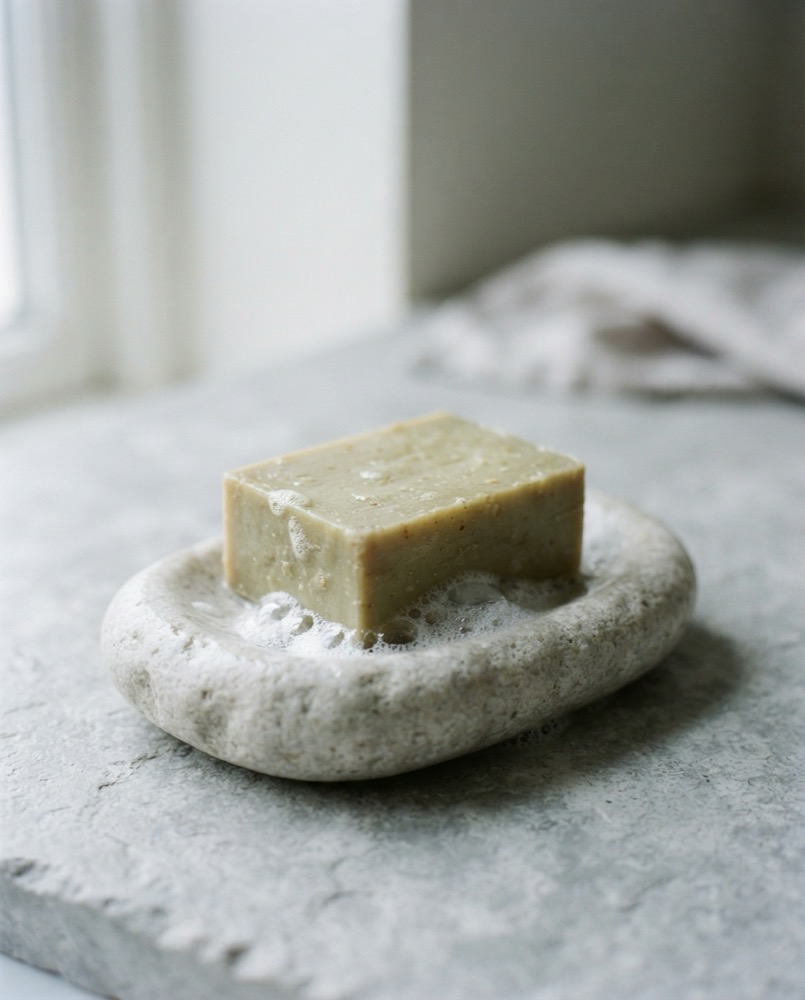
Castile soap is a true soap made by saponifying vegetable oils – traditionally olive oil, now often a blend with coconut and hemp – with an alkali. It contains no synthetic detergents, which is the basis of its natural reputation.
That chemistry has an unavoidable consequence: real soap is alkaline, typically pH 9 to 10. Healthy skin sits at roughly pH 4.7 to 5.75, the acid mantle that keeps enzymes working and pathogens out.
What skin concerns does castile soap treat?
It cleans very effectively, is biodegradable and free of synthetic surfactants, and is a reasonable choice for household cleaning, hands and some body use.
On the face it is a poor fit. Comparisons of soaps and syndets consistently show true soaps raise skin pH and disrupt the barrier more than pH-balanced synthetic cleansers. The tight, squeaky feeling afterwards is stripped lipids, and skin often responds by producing more oil.
What ingredients are best paired with castile soap?
If you use it on the body, follow immediately with a moisturiser containing ceramides, glycerin or shea butter, and keep it off the face, eye area and any eczema-prone skin.
For facial cleansing, a pH-balanced gel, cream or oil cleanser is a better choice for every skin type – gentler on the barrier and just as clean. Never use castile soap with an acidic product in the same step; the reaction leaves a curdled residue. Take our Skin Quiz.
What is acne?
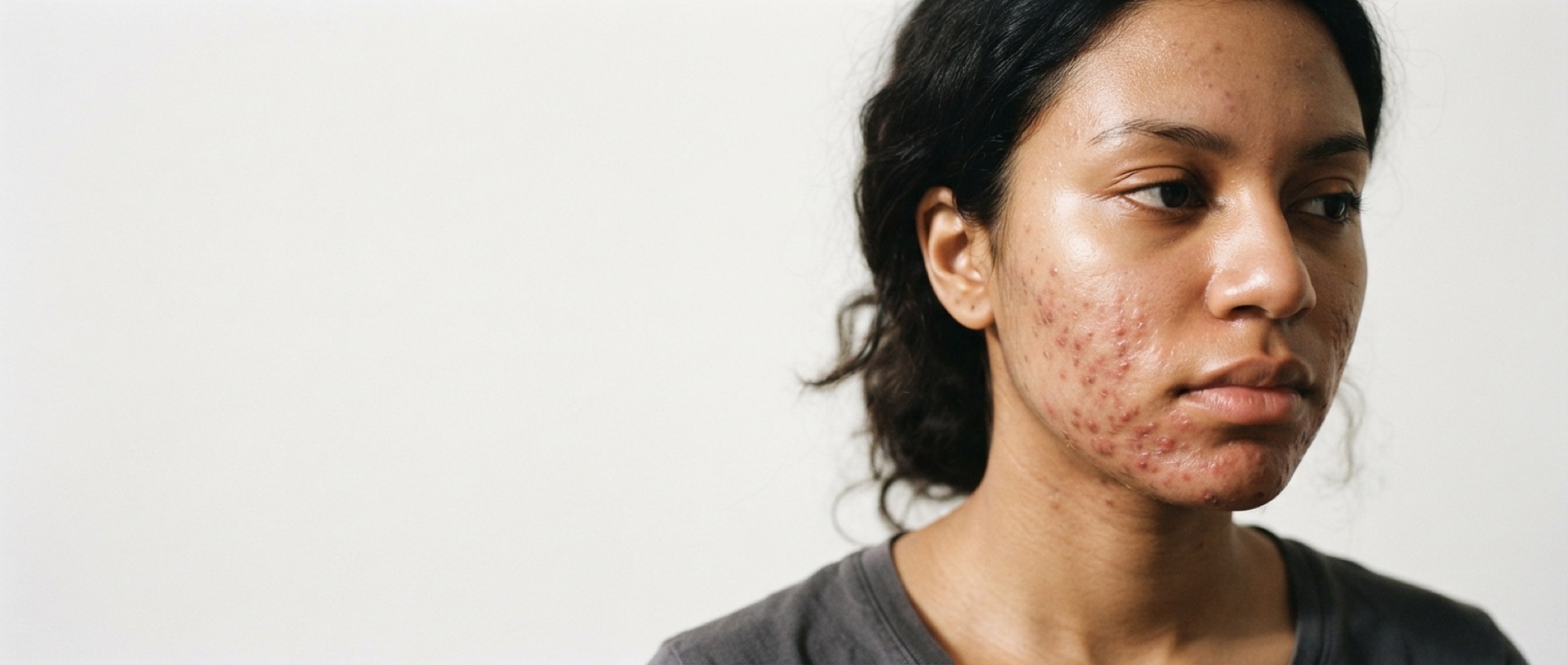
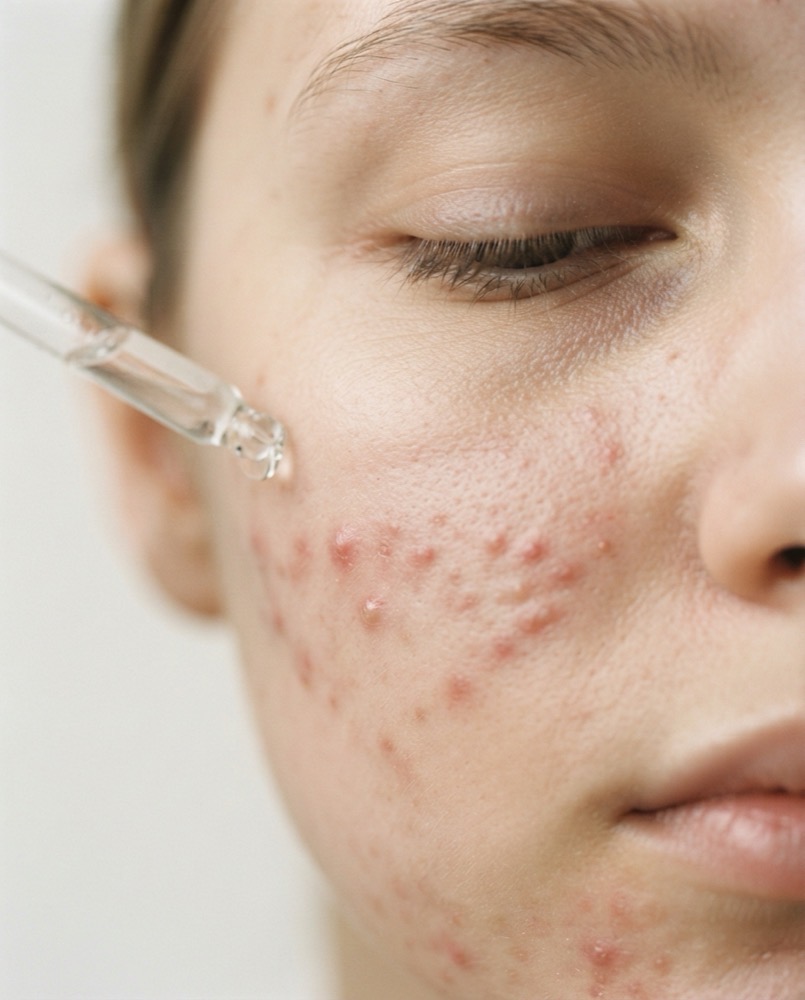
Acne vulgaris is a chronic inflammatory condition of the pilosebaceous unit – the hair follicle and its attached oil gland. It produces blackheads and whiteheads, inflamed papules and pustules, and in severe cases deep nodules and cysts.
It is the most common skin condition worldwide, and it is not a hygiene problem. Acne begins with a microcomedone forming invisibly inside the follicle, weeks before anything shows on the surface.
What causes acne?
Four mechanisms work together: excess sebum driven by androgens, abnormal shedding of cells inside the follicle, overgrowth of Cutibacterium acnes, and the inflammatory response that follows.
Genetics set the baseline. Hormonal fluctuation, stress, high-glycaemic diets, comedogenic products, friction from masks or helmets, and certain medications all push it further. Over-cleansing and picking make it visibly worse.
What ingredients are best for acne?
Salicylic acid clears inside the pore, benzoyl peroxide reduces bacterial load, and retinoids prevent the plug forming in the first place – that last one is the most valuable long-term.
Azelaic acid and niacinamide reduce inflammation and the marks left behind, and sulphur or clay help oily, congested skin. Keep the barrier intact with a gentle cleanser and a light non-comedogenic moisturiser; stripped skin produces more oil. Take our Skin Quiz.