What is caffeine in skincare?
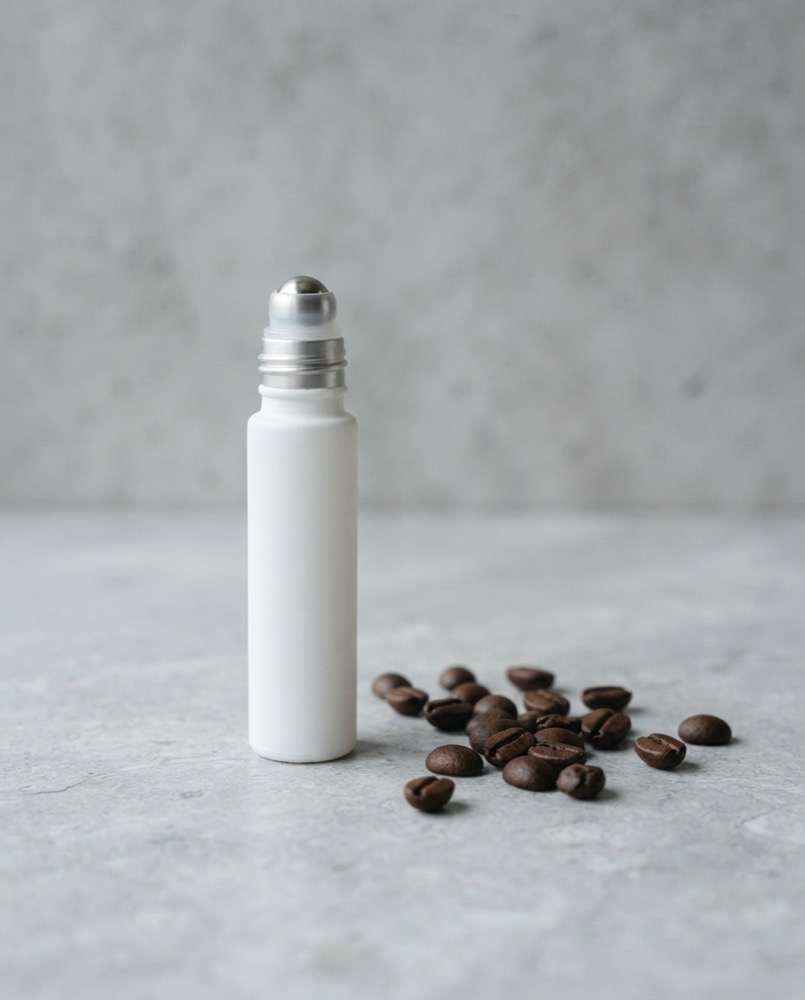
Caffeine is a methylxanthine alkaloid extracted from coffee beans, tea leaves and cacao. Applied topically it is a vasoconstrictor – it narrows small blood vessels – and it penetrates the skin readily because it is soluble in both water and oil.
It is also a respectable antioxidant. Reviews of its cosmetic and protective roles cover free-radical scavenging, UV-damage mitigation and effects on skin microcirculation.
What skin concerns does caffeine treat?
Its best-known use is the eye area, where vasoconstriction reduces puffiness and can lighten the bluish cast of dark circles caused by pooled blood. Results are real but temporary, lasting hours rather than days.
It is also used in body products for the temporary smoothing of cellulite by encouraging fat breakdown and reducing fluid retention, and its antioxidant activity supports broader anti-ageing routines.
What ingredients are best paired with caffeine?
In eye products it works well with peptides for firmness, niacinamide for pigmentation in the under-eye area, and hyaluronic acid for hydration – dehydrated under-eyes look darker regardless of circulation.
For body use it is paired with retinol and hydrating oils. Caffeine is non-irritating and combines safely with almost every active, so it is easy to add to an existing routine. Take our Skin Quiz.
What is bumpy skin?
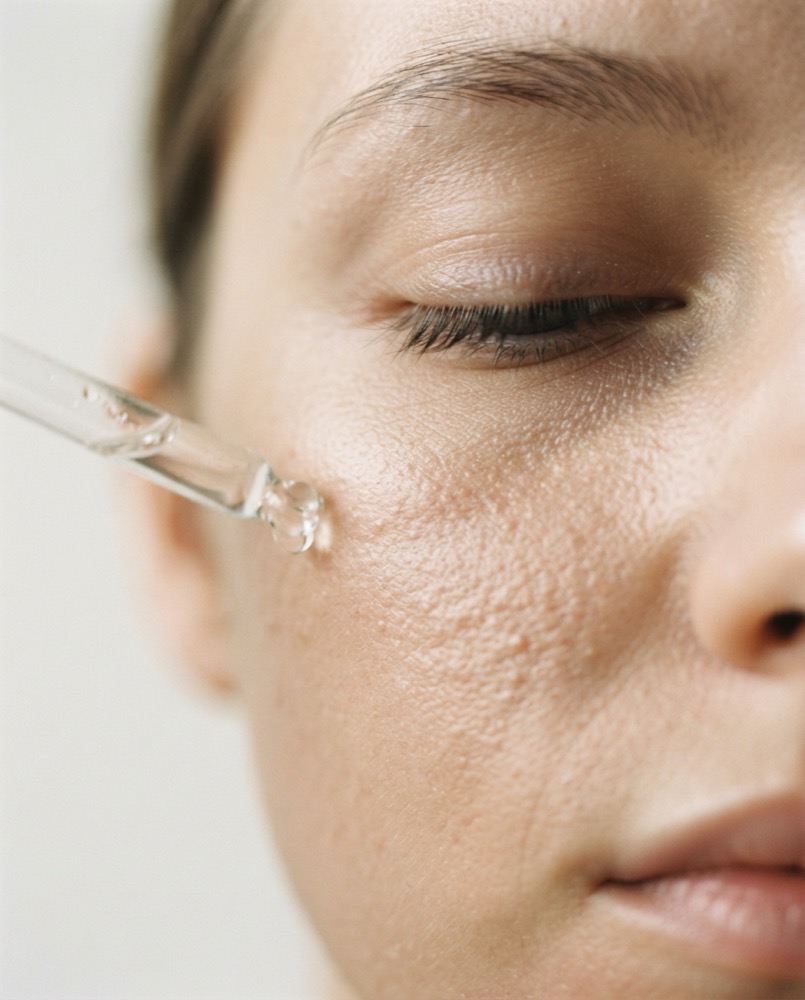
Bumpy skin is a texture problem rather than a single condition. It covers the rough, uneven surface you can feel more than see – most often keratosis pilaris (small hard bumps on the upper arms, thighs and cheeks), closed comedones, milia, or simple build-up of dead cells on the surface.
Keratosis pilaris in particular affects a large share of the population and is harmless, but it makes skin feel like sandpaper and can be stubborn to smooth out.
What causes bumpy skin?
Most bumpy texture comes from keratin plugging the follicle. When dead cells fail to shed cleanly, they collect at the pore opening and form a firm bump – a process closely linked to a weakened permeability barrier and low skin hydration.
Genetics, dry skin, cold weather, eczema and a history of over-scrubbing all make it worse. Aggressive physical exfoliation tends to backfire, inflaming the follicle and thickening the plug.
What ingredients are best for bumpy skin?
Chemical exfoliation works far better than scrubbing. Salicylic acid clears inside the follicle, lactic and glycolic acid loosen surface build-up, and urea both exfoliates and hydrates.
Retinoids normalise how skin sheds over time, while ceramides, niacinamide and hyaluronic acid keep the barrier strong so the plugs stop reforming. Consistency matters more than strength here. Take our Skin Quiz to work out which exfoliant your skin can tolerate.