What are AHAs in skincare?
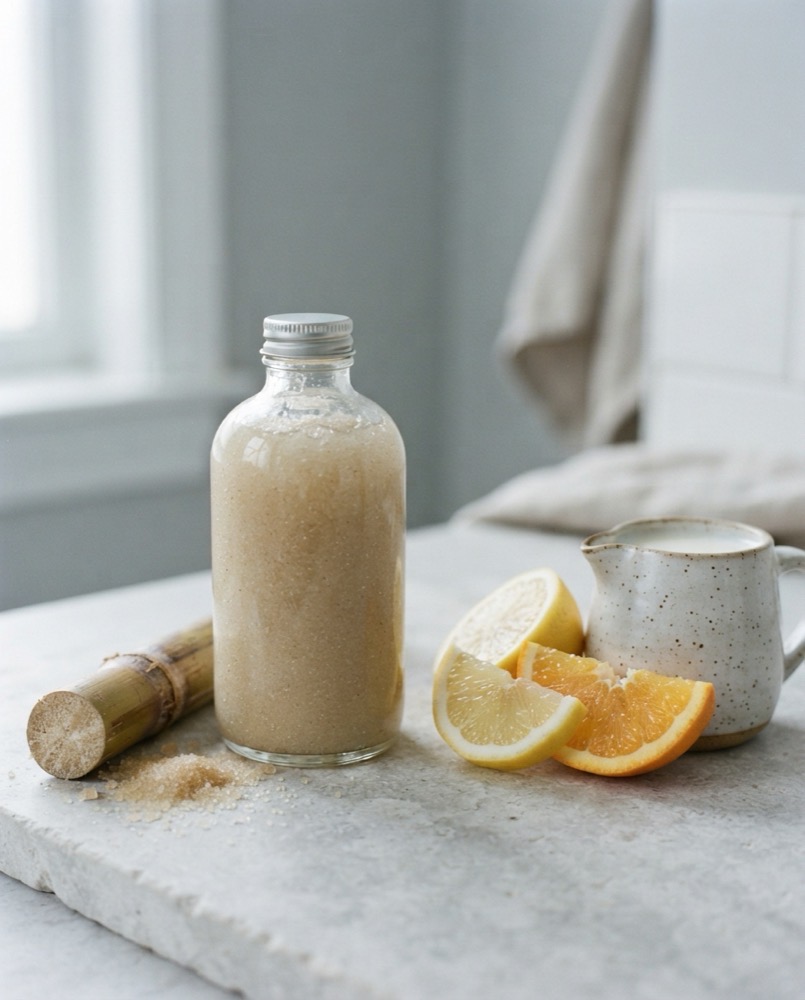
AHAs – alpha-hydroxy acids – are a family of water-soluble acids derived mostly from fruit, milk and sugar. The group includes glycolic acid (sugar cane), lactic acid (milk), mandelic acid (almonds), malic acid (apples) and citric acid.
They work on the surface of the skin, dissolving the bonds that hold dead cells together so the skin sheds evenly. Molecule size decides strength and tolerance: glycolic is the smallest and most potent, mandelic the largest and gentlest.
What skin concerns do AHAs treat?
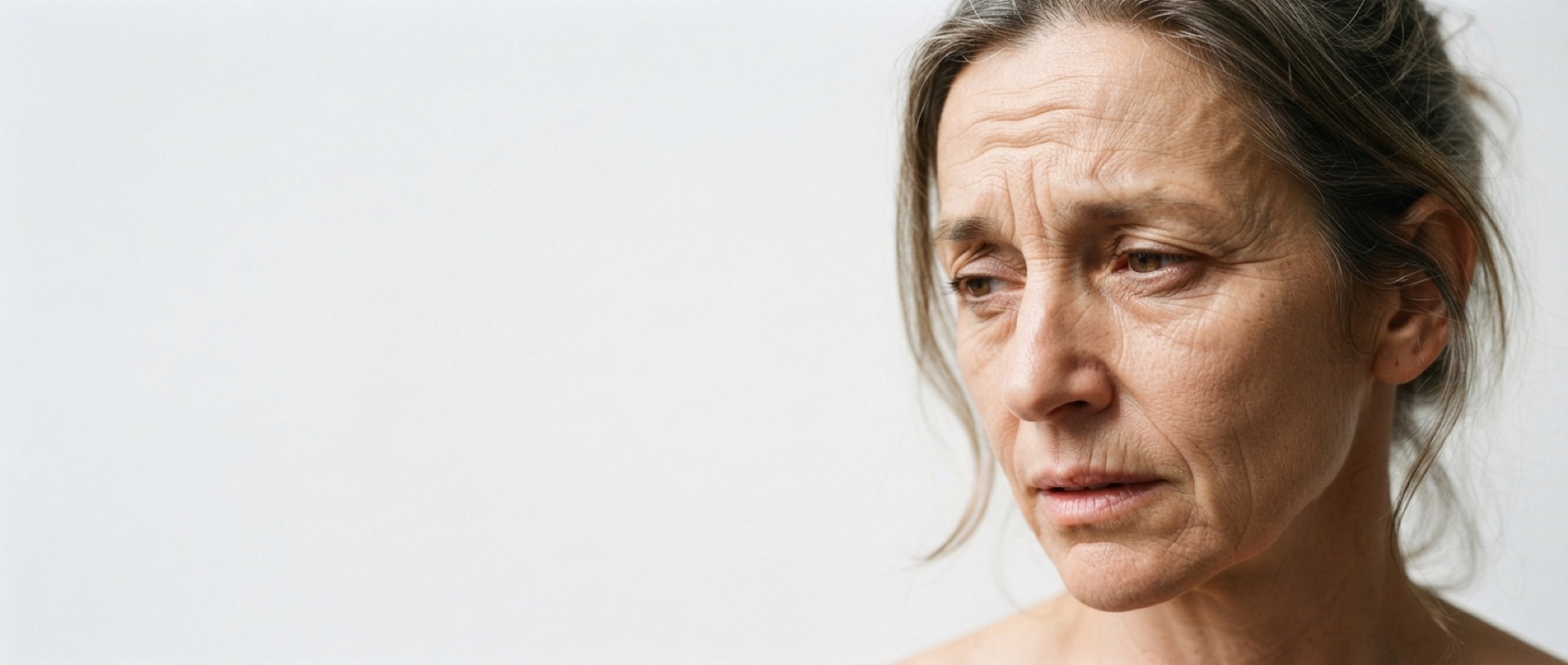
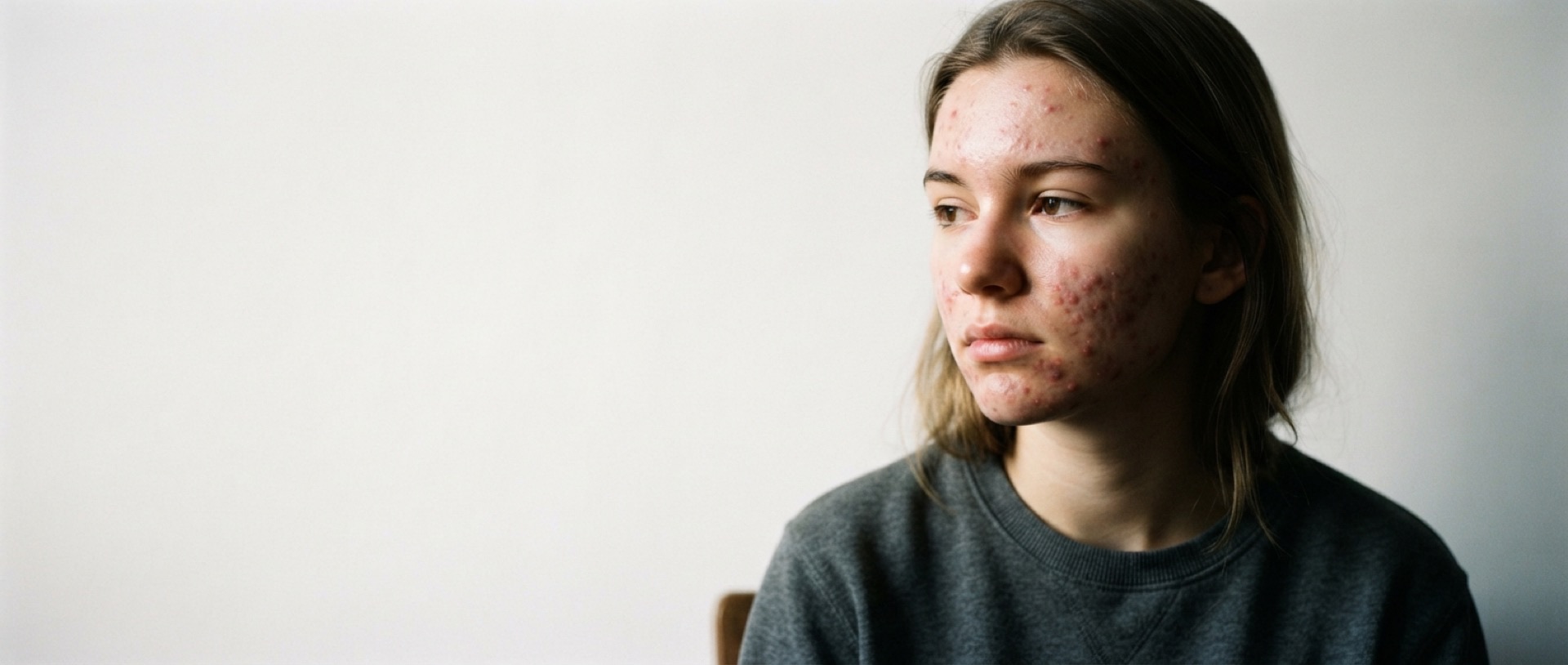
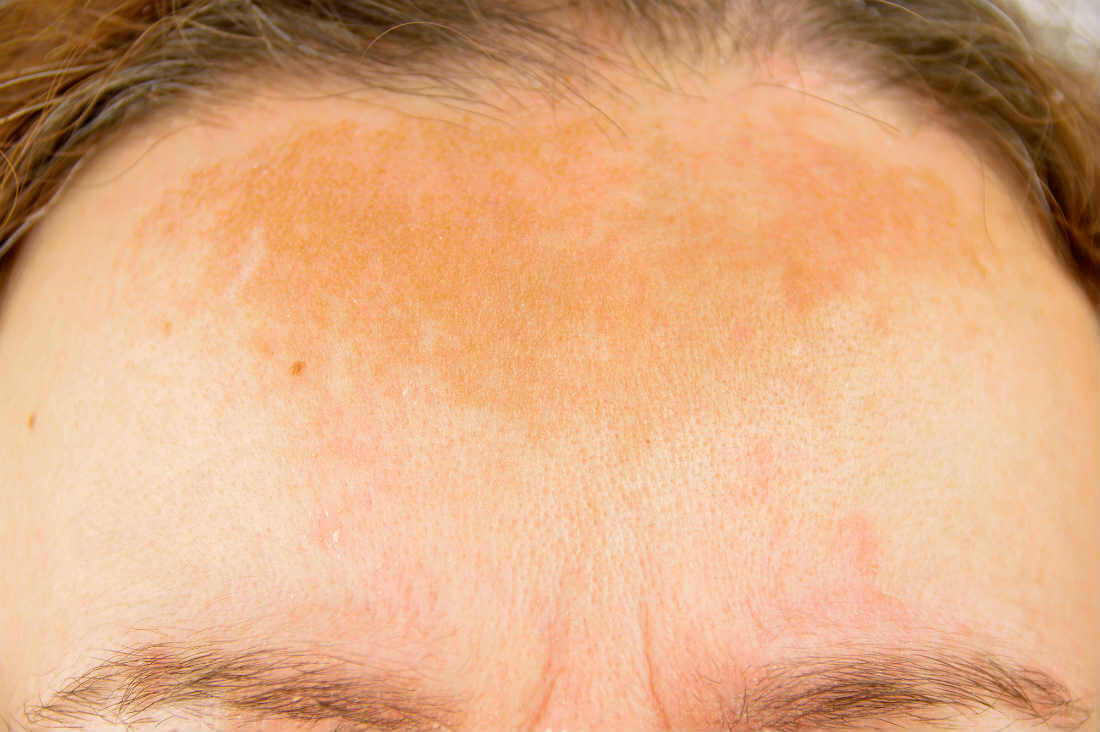
AHAs are the first choice for dullness, rough or flaky texture, uneven tone, sun spots, post-acne marks and fine lines. Because they are water-soluble they suit normal to dry skin particularly well.
Beyond exfoliation, sustained use improves hydration, thickens the living epidermis and stimulates collagen, so the change is more than superficial.
What ingredients are best paired with AHAs?
Rebuild after exfoliating: hyaluronic acid, glycerin, ceramides, panthenol and squalane restore what acids strip. Niacinamide supports tone and barrier repair alongside them.
Keep AHAs away from retinoids, BHAs and benzoyl peroxide within the same routine step unless your skin is well conditioned, and start at two or three nights a week. AHAs raise UV sensitivity, so daily broad-spectrum SPF is required. Take our Skin Quiz.
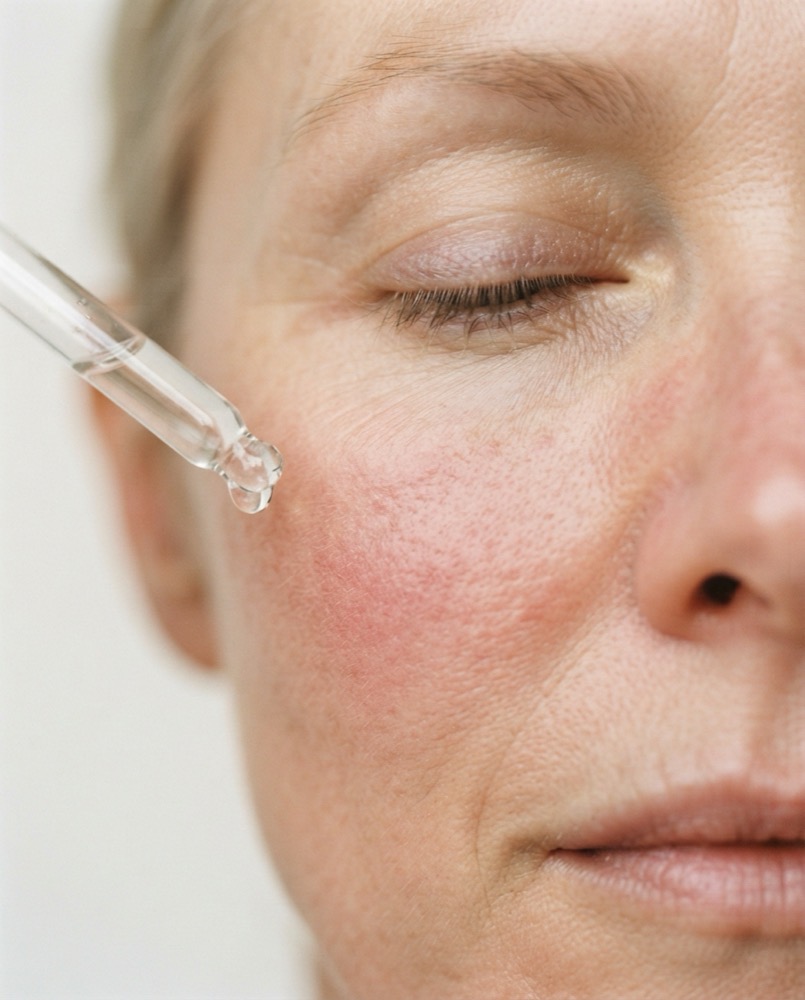
What is rosacea?
Rosacea is a chronic inflammatory skin condition that affects the central face – cheeks, nose, chin and forehead. It presents as persistent redness, visible broken capillaries, flushing that comes and goes, and in some subtypes acne-like papules and pustules.
Unlike acne, rosacea involves no comedones. It is driven by a combination of vascular hyper-reactivity, neurogenic inflammation and an overactive innate immune response, often with an impaired skin barrier alongside.
What causes rosacea?
There is no single cause. Genetic predisposition, an exaggerated immune response involving cathelicidin, overgrowth of Demodex mites, and dysfunction of the facial blood vessels all appear to contribute.
Flares are triggered by heat, sun exposure, alcohol, spicy food, hot drinks, exercise, stress, wind and cold, and by harsh skincare. Identifying and avoiding your own trigger set does as much as any product.
What ingredients are best for rosacea?
Azelaic acid and niacinamide are the standout actives – both reduce redness and inflammation without provoking the barrier. Sulphur, green tea extract, liquorice root and centella asiatica also calm reactive skin.
Build everything else around barrier repair: ceramides, glycerin, squalane and panthenol, with a gentle non-foaming cleanser and a mineral SPF every day. Avoid alcohol-heavy toners, fragrance, menthol, physical scrubs and high-strength acids. Take our Skin Quiz to build a routine your skin will tolerate.