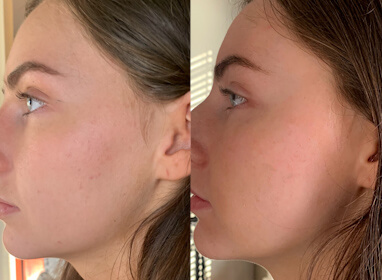
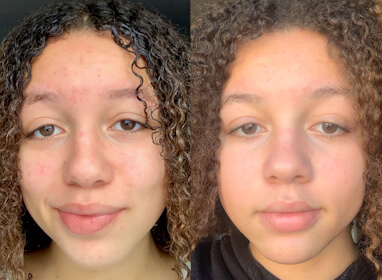
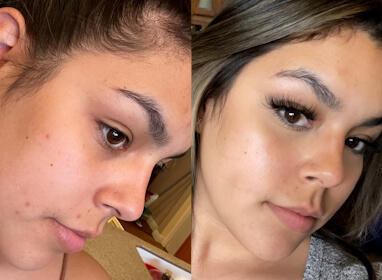
What is cacay oil in skincare?
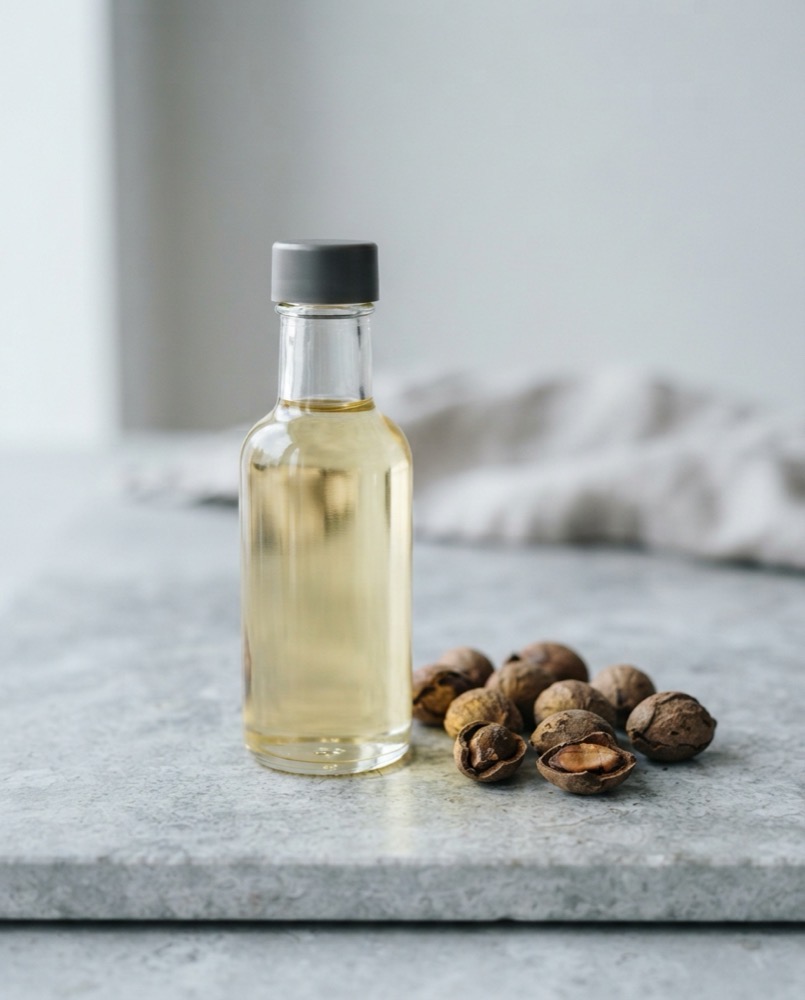
Cacay oil is pressed from the nuts of the cacay tree, which grows in the Amazon basin of Colombia and Peru. It is a relative newcomer to Western skincare and is marketed as a natural source of retinol.
Its composition is genuinely distinctive: a high proportion of linoleic acid, roughly three times the vitamin E of argan oil, and naturally occurring retinol at levels reported to be considerably higher than rosehip oil. Like other linoleic-rich plant oils it supports barrier repair rather than weighing skin down.
What skin concerns does cacay oil treat?
Its retinol content gives it a mild effect on fine lines, uneven tone and texture, without the irritation of a formulated retinoid – useful for people whose skin cannot tolerate one.
The linoleic acid suits dehydrated, combination and mildly acne-prone skin, and the vitamin E provides antioxidant protection. It absorbs quickly and does not leave a greasy film.
What ingredients are best paired with cacay oil?
Layer it over hyaluronic acid and alongside ceramides and niacinamide. It is a sensible bridge for someone easing towards retinoids.
Because it contains vitamin A compounds, use it at night and keep wearing SPF, and introduce it gradually if you already use a retinoid. Expect a gentle, cumulative effect rather than retinol-strength results. Take our Skin Quiz.
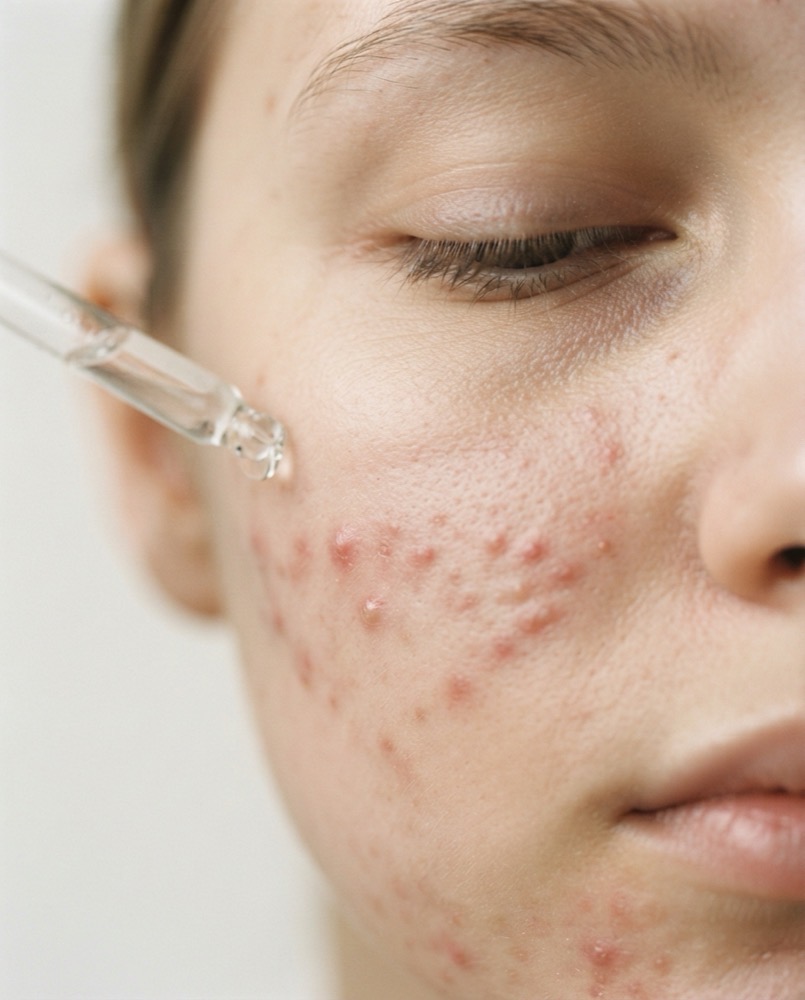
What is acne?
Acne vulgaris is a chronic inflammatory condition of the pilosebaceous unit – the hair follicle and its attached oil gland. It produces blackheads and whiteheads, inflamed papules and pustules, and in severe cases deep nodules and cysts.
It is the most common skin condition worldwide, and it is not a hygiene problem. Acne begins with a microcomedone forming invisibly inside the follicle, weeks before anything shows on the surface.
What causes acne?
Four mechanisms work together: excess sebum driven by androgens, abnormal shedding of cells inside the follicle, overgrowth of Cutibacterium acnes, and the inflammatory response that follows.
Genetics set the baseline. Hormonal fluctuation, stress, high-glycaemic diets, comedogenic products, friction from masks or helmets, and certain medications all push it further. Over-cleansing and picking make it visibly worse.
What ingredients are best for acne?
Salicylic acid clears inside the pore, benzoyl peroxide reduces bacterial load, and retinoids prevent the plug forming in the first place – that last one is the most valuable long-term.
Azelaic acid and niacinamide reduce inflammation and the marks left behind, and sulphur or clay help oily, congested skin. Keep the barrier intact with a gentle cleanser and a light non-comedogenic moisturiser; stripped skin produces more oil. Take our Skin Quiz.