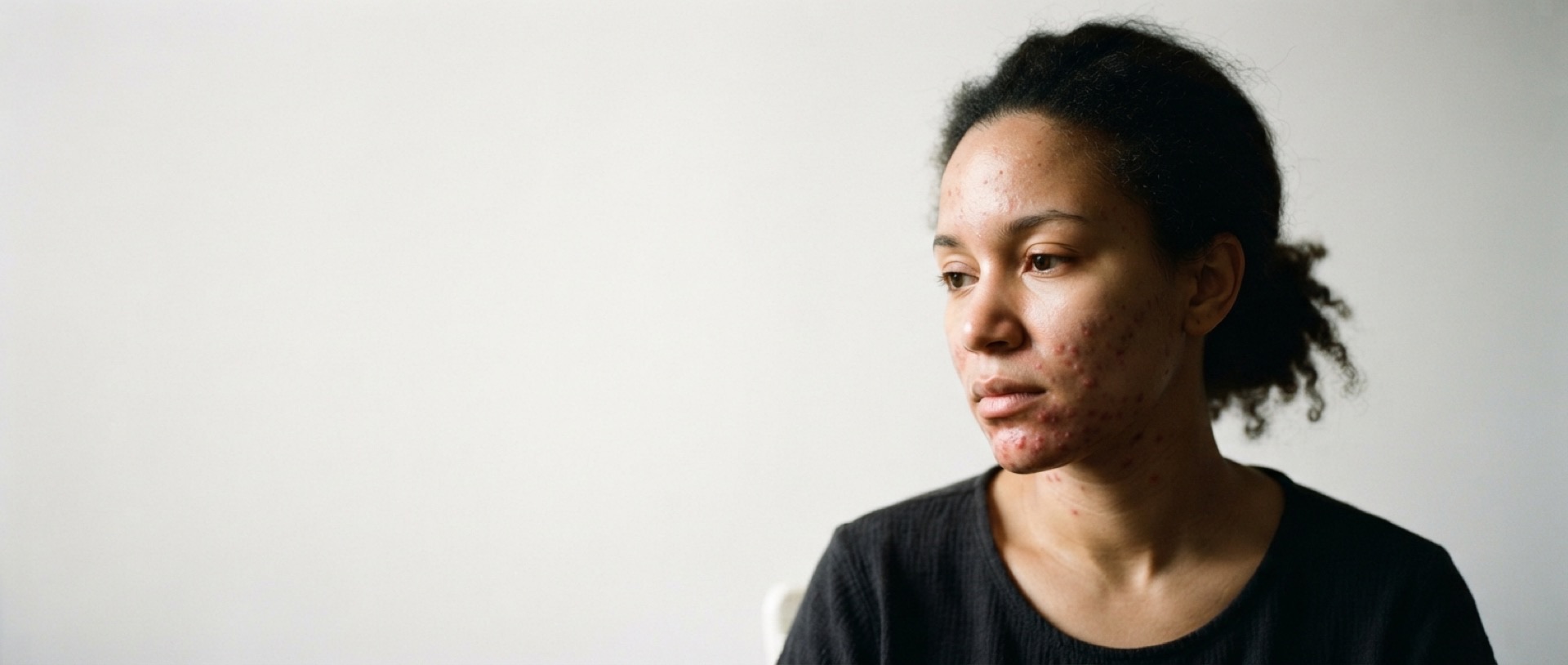
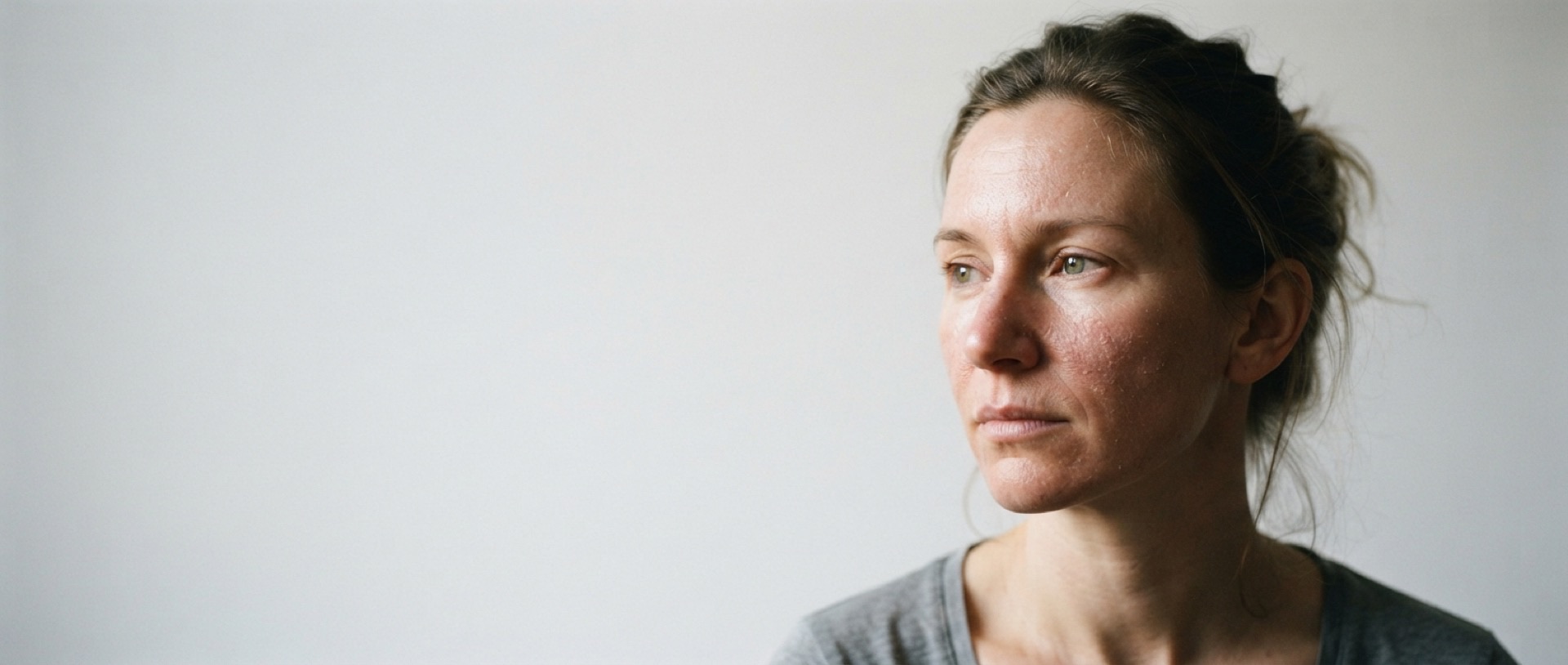
What is butylene glycol in skincare?
Butylene glycol, or 1,3-butylene glycol, is a small alcohol used as a solvent, humectant and texture agent. Like propanediol and propylene glycol it is a workhorse rather than a star, appearing high on ingredient lists because formulas need it to function.
It dissolves ingredients that water alone cannot carry, thins heavy formulations to a pleasant consistency, and helps actives spread and penetrate evenly.
What skin concerns does butylene glycol treat?
It hydrates lightly by drawing water into the surface layers, and it is non-comedogenic and weightless, which makes it common in products aimed at oily and acne-prone skin.
Mostly, though, its value is what it enables: the vitamin C, salicylic acid or plant extract next to it in the formula reaches the skin in usable form. Allergic contact dermatitis to butylene glycol is documented but uncommon, and it is generally better tolerated than propylene glycol.
What ingredients are best paired with butylene glycol?
It pairs with essentially everything, and is most often seen alongside glycerin, hyaluronic acid and botanical extracts it helps keep in solution.
One thing worth knowing if you have reacted to propylene glycol: there is documented cross-reactivity between propylene glycol and butylene glycol, so a known allergy to one is a reason to patch test the other rather than assume it is safe. Take our Skin Quiz.
What is acne?
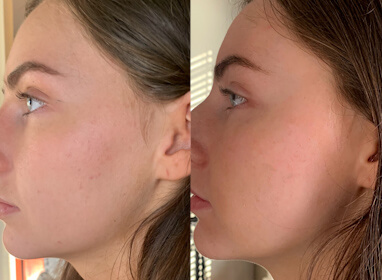
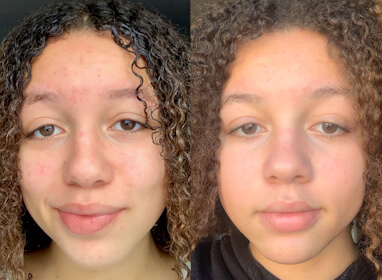
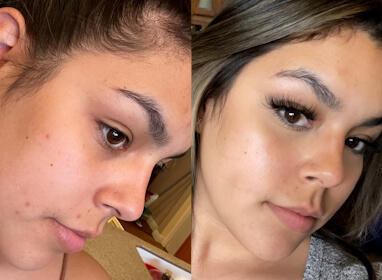
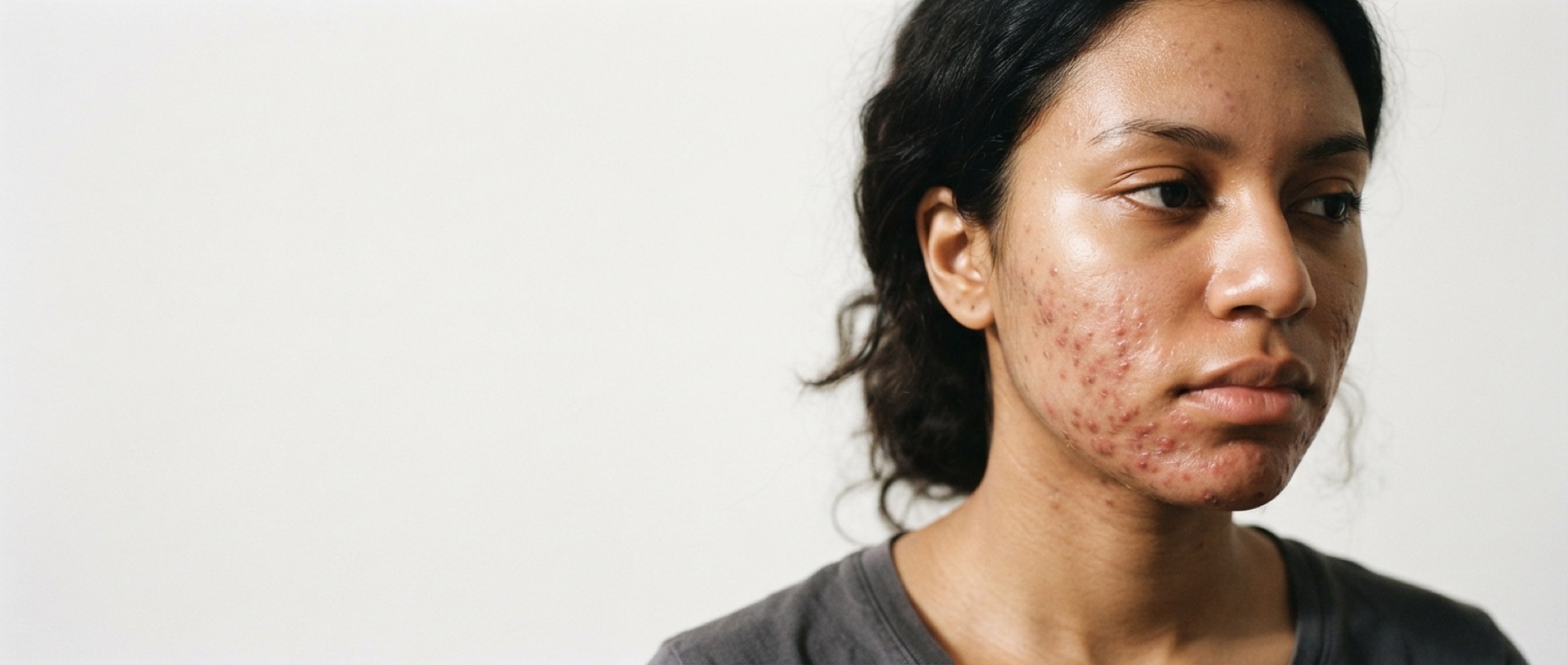
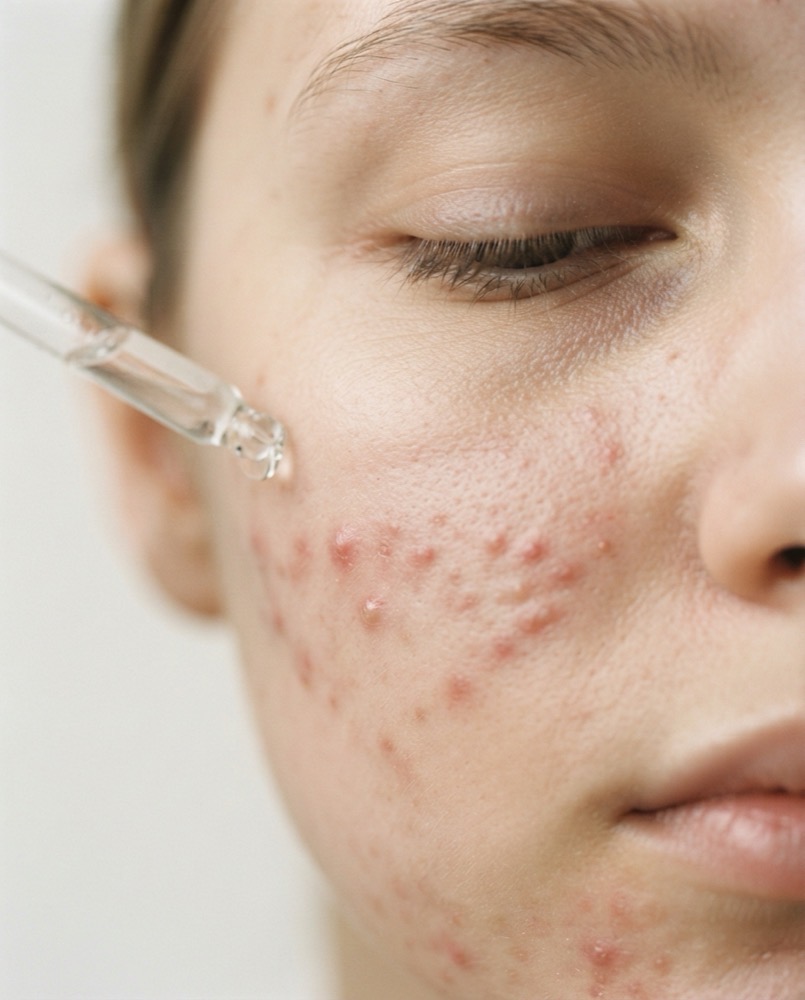
Acne vulgaris is a chronic inflammatory condition of the pilosebaceous unit – the hair follicle and its attached oil gland. It produces blackheads and whiteheads, inflamed papules and pustules, and in severe cases deep nodules and cysts.
It is the most common skin condition worldwide, and it is not a hygiene problem. Acne begins with a microcomedone forming invisibly inside the follicle, weeks before anything shows on the surface.
What causes acne?
Four mechanisms work together: excess sebum driven by androgens, abnormal shedding of cells inside the follicle, overgrowth of Cutibacterium acnes, and the inflammatory response that follows.
Genetics set the baseline. Hormonal fluctuation, stress, high-glycaemic diets, comedogenic products, friction from masks or helmets, and certain medications all push it further. Over-cleansing and picking make it visibly worse.
What ingredients are best for acne?
Salicylic acid clears inside the pore, benzoyl peroxide reduces bacterial load, and retinoids prevent the plug forming in the first place – that last one is the most valuable long-term.
Azelaic acid and niacinamide reduce inflammation and the marks left behind, and sulphur or clay help oily, congested skin. Keep the barrier intact with a gentle cleanser and a light non-comedogenic moisturiser; stripped skin produces more oil. Take our Skin Quiz.