What is bentonite clay in skincare?
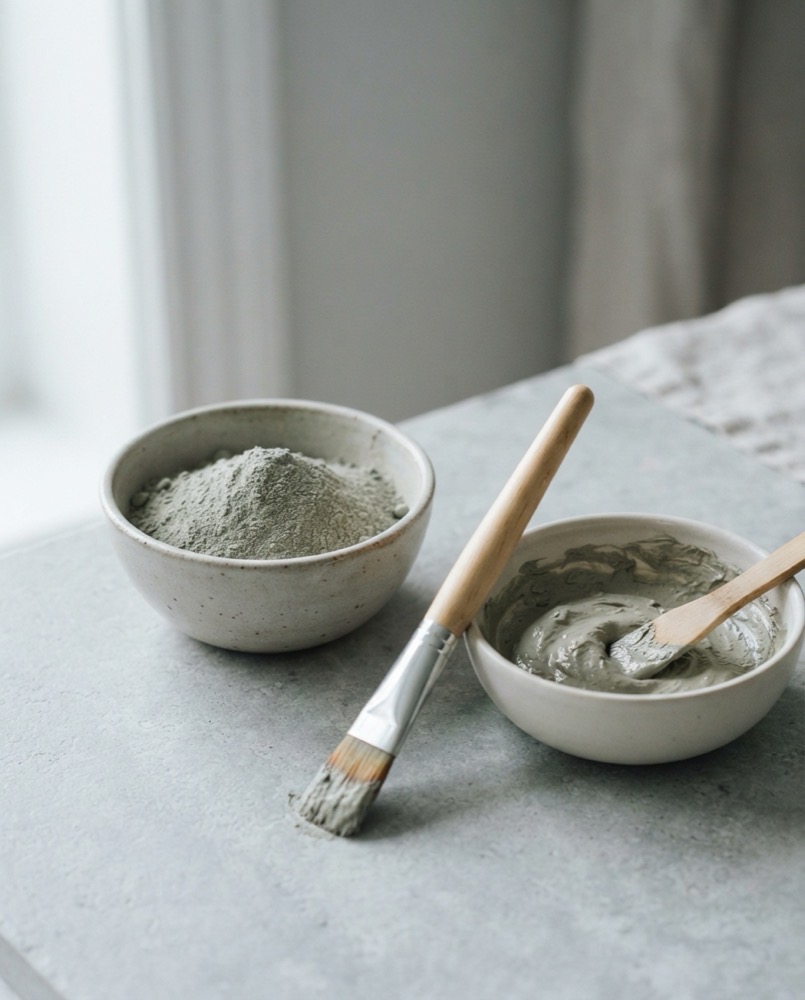
Bentonite clay forms when volcanic ash weathers in seawater, converting volcanic glass into fine clay particles. Its dominant mineral is montmorillonite, which carries a strong negative surface charge when wet.
That charge is the mechanism. It attracts positively charged particles – sebum components, dirt, some bacteria – and binds them for rinsing away. Reviews of bentonite as a natural remedy document that adsorptive capacity alongside antibacterial and anti-inflammatory activity.
What skin concerns does bentonite clay treat?
It is one of the most absorbent cosmetic clays, which makes it a strong fit for oily skin, congestion and body or back acne. It also appears in some sunscreens, where it improves how well the product stays on the skin.
Research on bentonites and montmorillonites points to cutaneous benefits including barrier support and irritation relief. Its strength is also its risk: on dry or sensitive skin it strips too much, leaving tightness and rebound oil.
What ingredients are best paired with bentonite clay?
Mix it with water or a hydrosol rather than vinegar, which adds needless irritation, and pair it with glycerin, aloe, honey or colloidal oatmeal to buffer the drying.
Follow every mask with a hydrating serum and moisturiser. Because it is a natural mineral there is some risk of heavy-metal contamination, so choose a brand that publishes purity testing. Use once weekly, not daily. Take our Skin Quiz.
What is uneven skin tone?
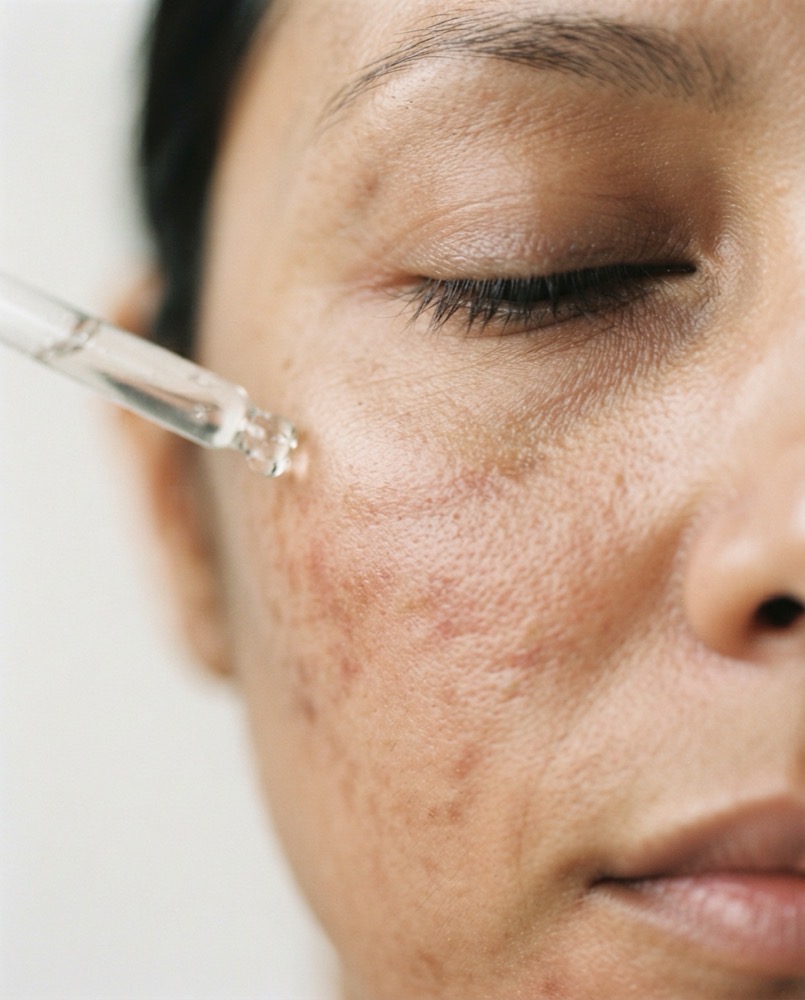
Uneven skin tone describes a complexion that reads patchy rather than uniform – a mix of darker and lighter areas, lingering red or brown marks, blotchy cheeks, and a general loss of clarity.
It usually combines several things at once: hyperpigmentation from sun or inflammation, persistent redness, and surface build-up of dead cells that makes the whole face look mottled and dull.
What causes uneven skin tone?
Ultraviolet exposure is the dominant cause, stimulating melanin unevenly across the face. Post-inflammatory marks from acne, eczema or irritation add brown or red patches that can persist for months.
Hormonal pigmentation, slowed cell turnover with age, dehydration, pollution, smoking and a damaged barrier all compound it. Aggressive scrubbing or unsupervised strong actives frequently make tone more uneven, not less.
What ingredients are best for uneven skin tone?
Vitamin C and niacinamide are the reliable everyday choices – one protects and brightens, the other evens tone and strengthens the barrier. Azelaic acid is unusually useful because it addresses brown marks and redness at once.
Add gentle exfoliation with lactic or glycolic acid to clear surface build-up, retinol to accelerate turnover, and alpha arbutin or tranexamic acid for stubborn pigment. Daily broad-spectrum SPF is what makes the results stick. Take our Skin Quiz.