

What is beeswax in skincare?
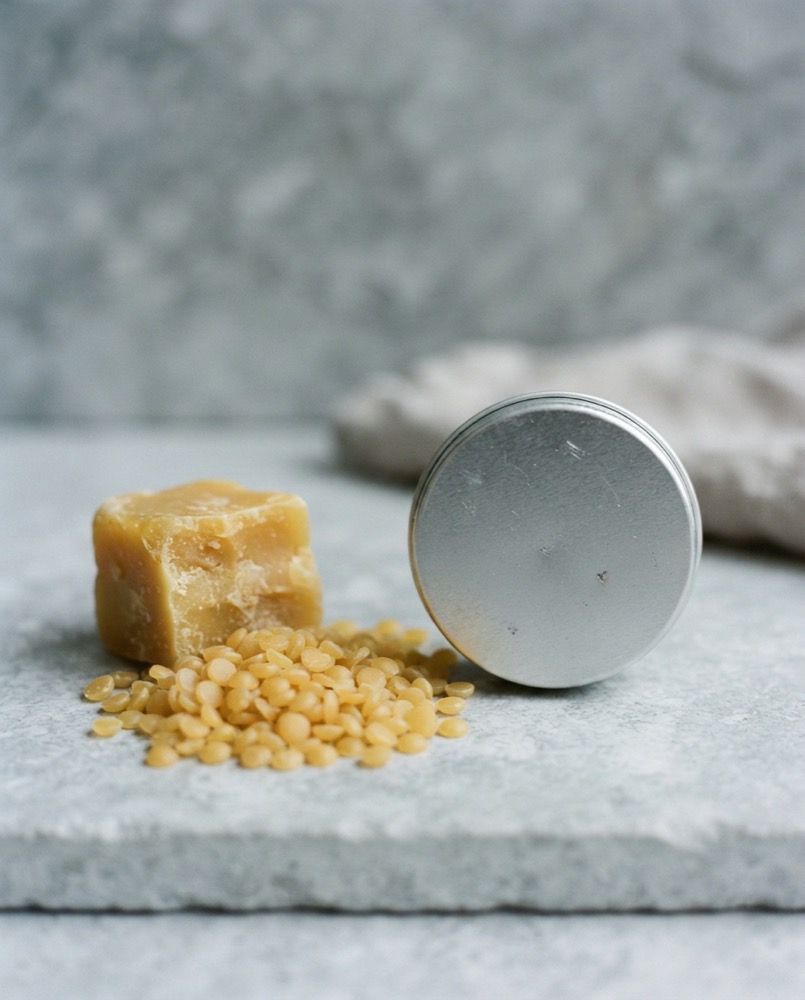
Beeswax, listed as cera alba or cera flava, is the wax honeybees secrete to build honeycomb. Chemically it is a mix of long-chain esters, fatty acids and hydrocarbons, solid at room temperature and softening at body heat.
In formulation it is a structural ingredient as much as a functional one: it thickens, stabilises emulsions, and determines whether a product sets as a firm balm or a soft cream. Reviews of beeswax in skincare cover both roles.
What skin concerns does beeswax treat?
It forms a breathable occlusive film that slows water loss without sealing the skin completely, which makes it excellent for lips, hands, cuticles and wind-exposed skin. Work on bee products in cosmetic matrices documents measurable hydration and barrier gains.
It also contains vitamin A and has mild anti-inflammatory and antibacterial activity. It is comedogenic enough that heavy beeswax balms are best kept off acne-prone facial skin.
What ingredients are best paired with beeswax?
It is the structural partner to shea butter, plant oils and squalane in balms, and works best applied over a hydrating layer so it seals moisture in rather than sealing dryness under.
Honey and propolis are natural companions in bee-derived formulas. Note that beeswax and propolis contact allergy do occur, and the two often cross-react – if you react to one, treat the other with caution. Vegans can look to candelilla or carnauba wax. Take our Skin Quiz.
What is adult acne?
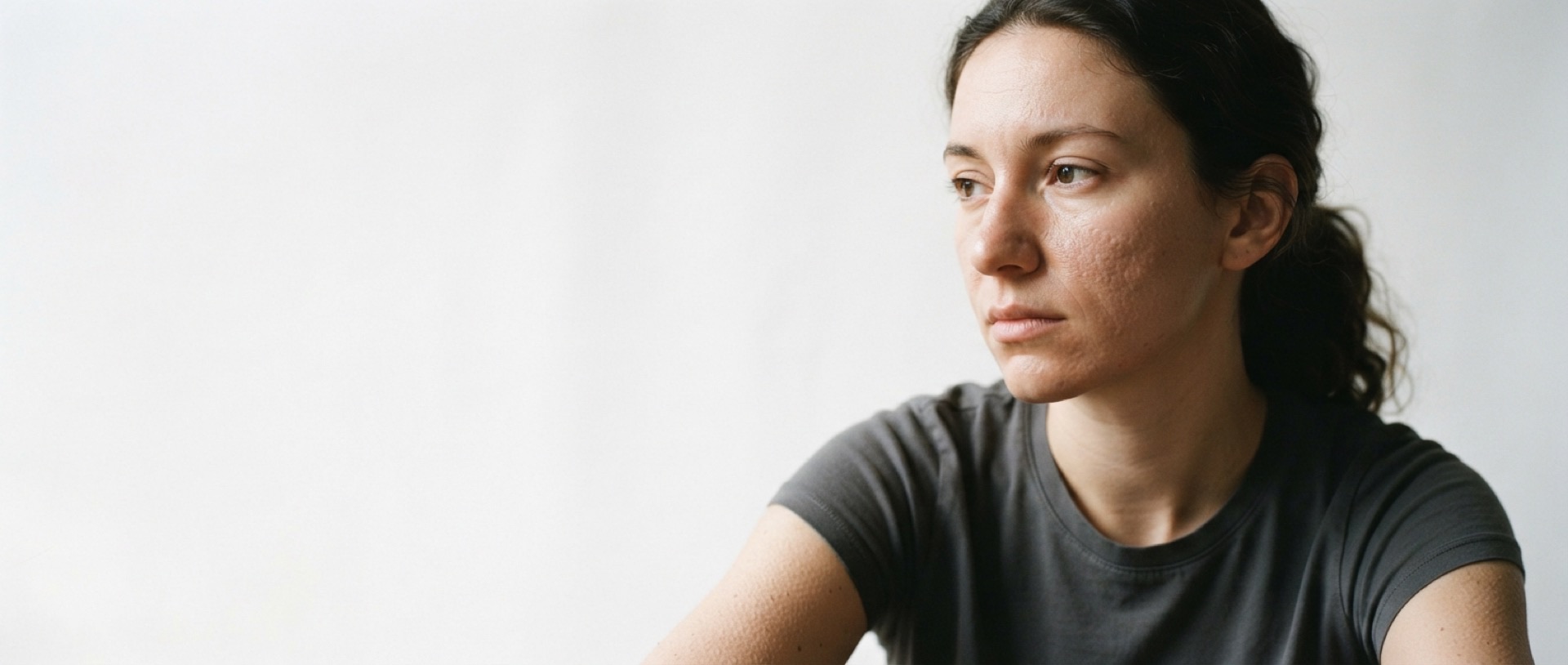
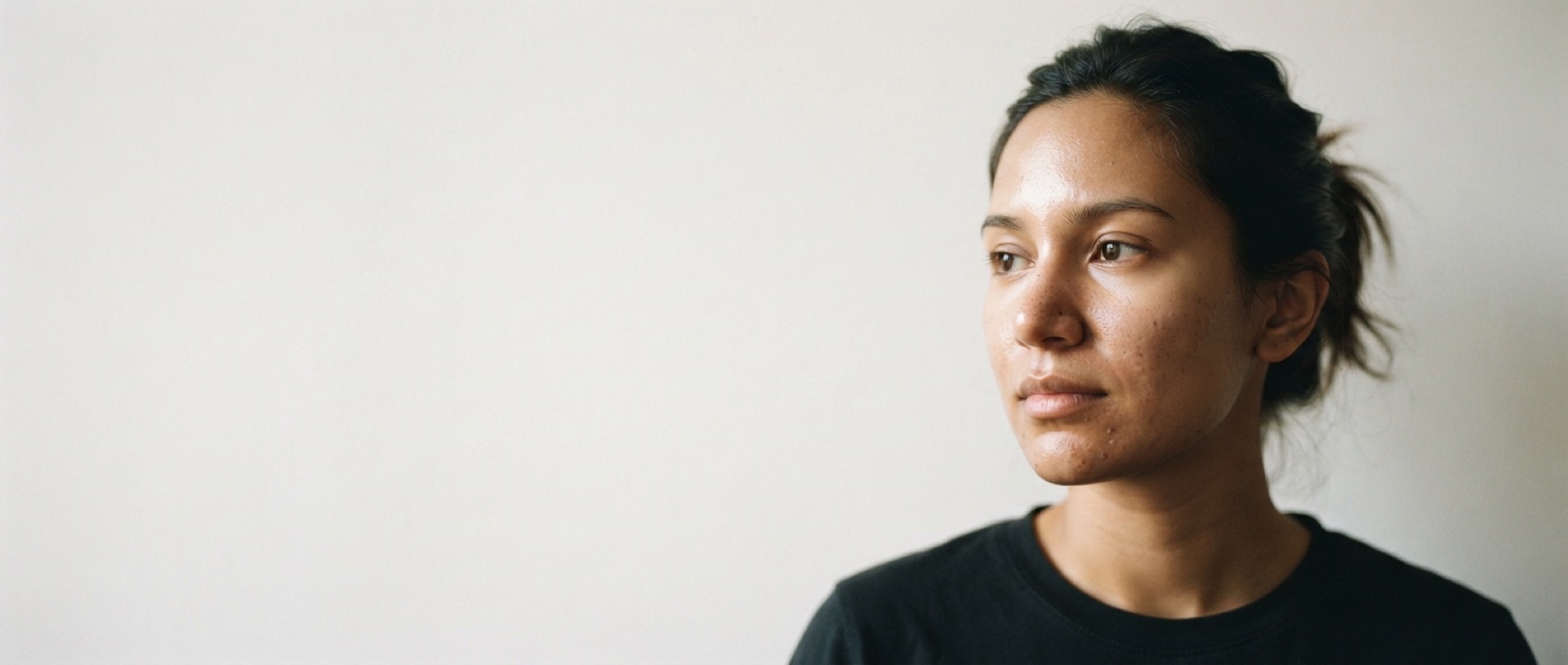
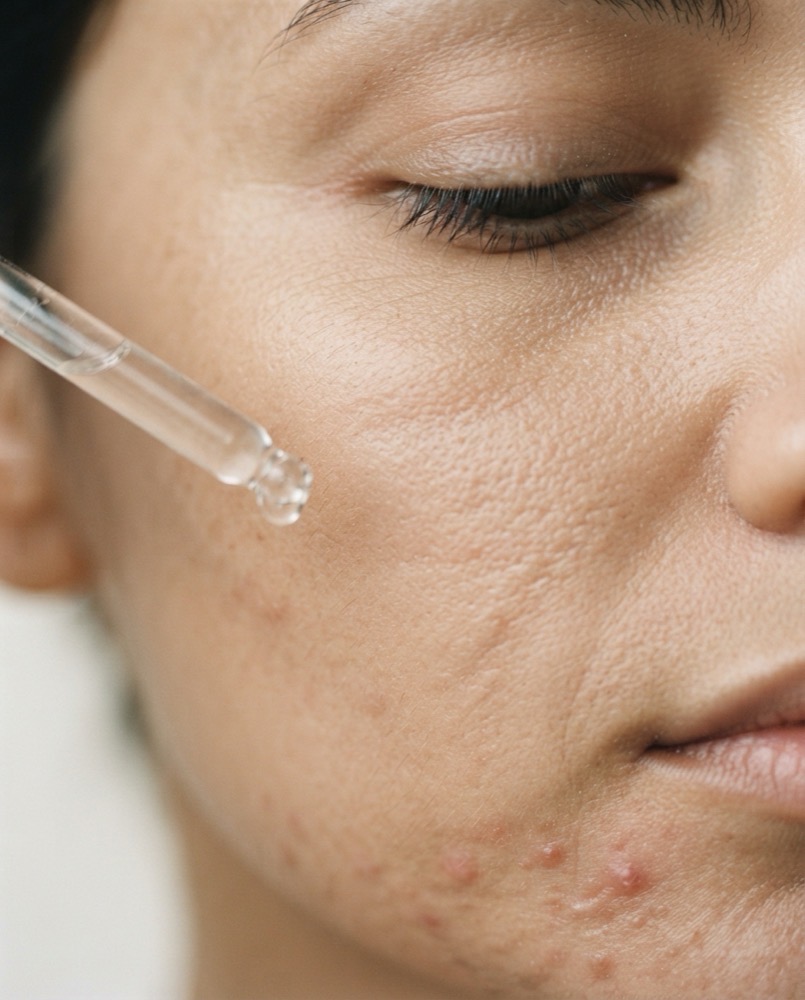
Adult acne is acne that persists past the teenage years or appears for the first time in your twenties, thirties or later. It affects a substantial share of adults, and disproportionately women.
It tends to look different from teenage acne: fewer widespread blackheads, more deep tender lesions along the jawline, chin and neck, often on skin that is simultaneously dry, sensitive or already showing early signs of ageing.
What causes adult acne?
Hormonal fluctuation is the leading driver – menstrual cycles, coming off or starting contraception, pregnancy, perimenopause and conditions such as PCOS all shift androgen activity and sebum output.
Stress and cortisol, sleep debt, high-glycaemic diets, comedogenic makeup and skincare, friction, and certain medications compound it. Adult skin also heals more slowly, so marks linger longer than they did at nineteen.
What ingredients are best for adult acne?
The challenge is treating acne without wrecking a barrier that is also ageing. Retinoids do double duty here, clearing follicles and stimulating collagen at the same time.
Azelaic acid is excellent for adult skin because it handles lesions, redness and post-acne marks together. Add salicylic acid used sparingly, niacinamide to regulate oil and calm inflammation, and ceramides plus hyaluronic acid to keep hydration up. Skip harsh benzoyl peroxide concentrations and scrubs. Take our Skin Quiz.