What is bakuchiol in skincare?
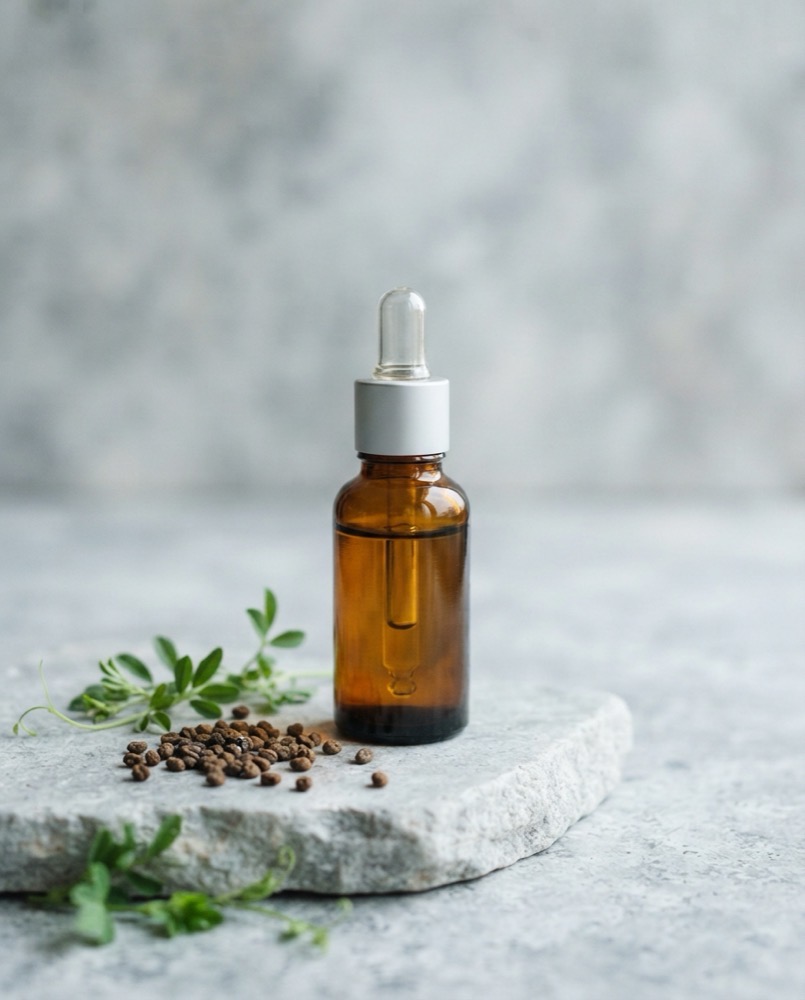
Bakuchiol is a plant-derived compound extracted from the seeds of Psoralea corylifolia, long used in Ayurvedic and traditional Chinese medicine. It is structurally nothing like vitamin A, but gene-expression profiling shows it switches on many of the same pathways as retinol.
That is why it is marketed as a natural retinol alternative. It is stable in light, tolerated in pregnancy far more readily than retinoids, and does not cause the peeling phase.
What skin concerns does bakuchiol treat?
A randomised double-blind trial comparing bakuchiol with retinol found both significantly reduced wrinkle surface area and hyperpigmentation over twelve weeks – with bakuchiol causing less stinging and scaling.
It is therefore a good fit for fine lines, uneven tone, loss of firmness and mild acne, particularly on sensitive or rosacea-prone skin that retinoids inflame.
What ingredients are best paired with bakuchiol?
It is unusually easy to combine. Bakuchiol layers safely with vitamin C, AHAs, BHAs and niacinamide – combinations that would be risky with a retinoid – and is often used alongside a low-strength retinol to boost results.
Pair it with hyaluronic acid, ceramides and peptides for hydration and firmness, and keep using SPF. Expect a slower, gentler curve than retinol rather than an identical one. Take our Skin Quiz.
What is dullness?
Healthy skin reflects light evenly, which is what reads as bright and glowing. Dull skin does the opposite – it looks flat, ashy, grey or sallow, and makeup tends to sit on top of it rather than blend in.
Dullness is not a condition in itself but a visible symptom: a build-up of dead cells, dehydration and reduced microcirculation that together stop light bouncing cleanly off the skin’s surface.
What causes dull skin?
Dead skin cells that do not shed naturally accumulate on the surface and scatter light unevenly. Dehydration flattens those cells so they no longer sit plump against one another, and overly dry skin can damage the follicles and slow the production of collagen and sebum – all of which make the complexion look duller or ashier.
Lifestyle and environment do the rest. Sun exposure, pollution, smoking, alcohol, broken sleep and stress all accelerate free-radical damage, while cell turnover naturally slows with age, so skin loses the reflectivity it had in your twenties.
What ingredients are best for dullness?
Brightening dull skin comes down to three things: gentle exfoliation, consistent hydration and antioxidant protection. Vitamin C, alpha-hydroxy acids such as glycolic and lactic acid, salicylic acid, retinol and vitamin A, niacinamide, green tea extract, coenzyme Q10 and rosehip oil all help resurface, even out tone and defend against free radicals.
Hyaluronic acid and hydrolysed collagen plump the skin so it reflects more light, and daily broad-spectrum sunscreen prevents the UV damage that dulls the complexion in the first place. Take our Skin Quiz to find the exact combination your skin needs.