What is bakuchiol in skincare?
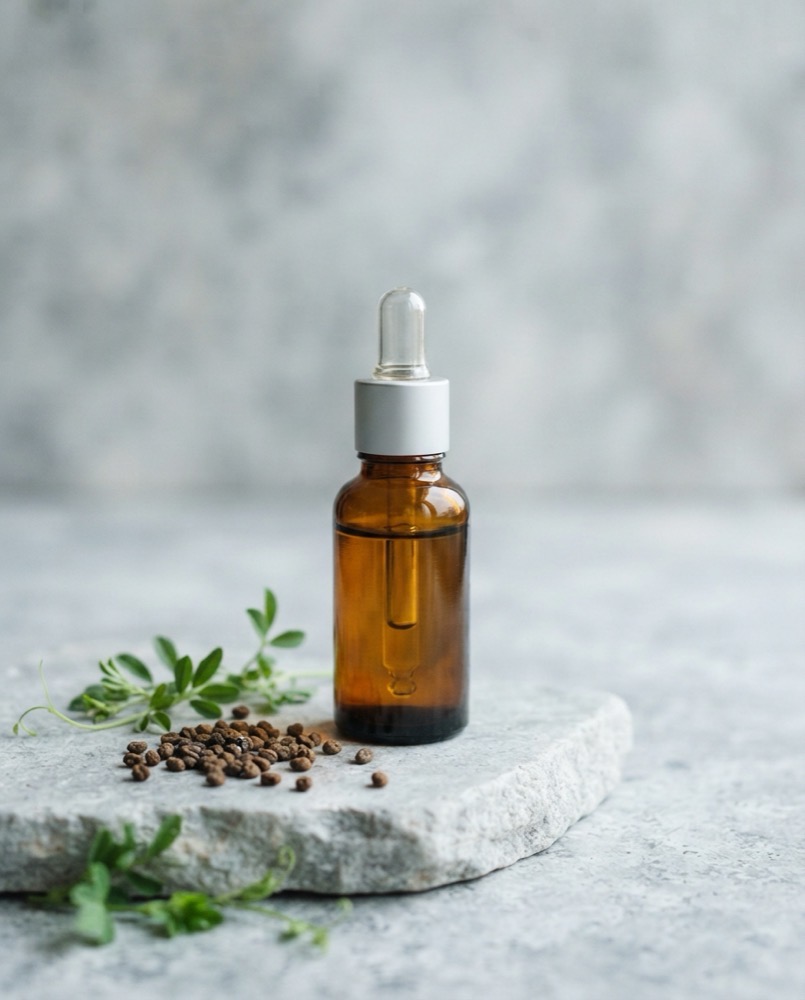
Bakuchiol is a plant-derived compound extracted from the seeds of Psoralea corylifolia, long used in Ayurvedic and traditional Chinese medicine. It is structurally nothing like vitamin A, but gene-expression profiling shows it switches on many of the same pathways as retinol.
That is why it is marketed as a natural retinol alternative. It is stable in light, tolerated in pregnancy far more readily than retinoids, and does not cause the peeling phase.
What skin concerns does bakuchiol treat?
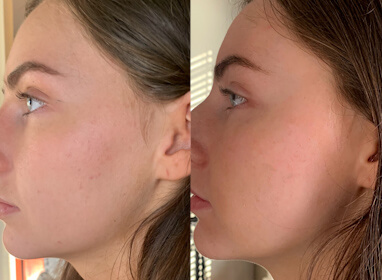
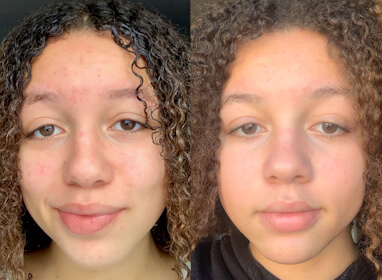
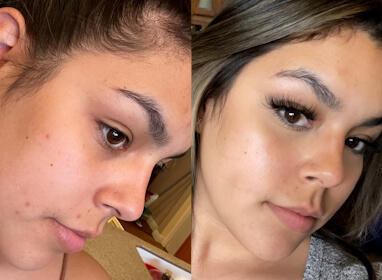
A randomised double-blind trial comparing bakuchiol with retinol found both significantly reduced wrinkle surface area and hyperpigmentation over twelve weeks – with bakuchiol causing less stinging and scaling.
It is therefore a good fit for fine lines, uneven tone, loss of firmness and mild acne, particularly on sensitive or rosacea-prone skin that retinoids inflame.
What ingredients are best paired with bakuchiol?
It is unusually easy to combine. Bakuchiol layers safely with vitamin C, AHAs, BHAs and niacinamide – combinations that would be risky with a retinoid – and is often used alongside a low-strength retinol to boost results.
Pair it with hyaluronic acid, ceramides and peptides for hydration and firmness, and keep using SPF. Expect a slower, gentler curve than retinol rather than an identical one. Take our Skin Quiz.
What is acne?
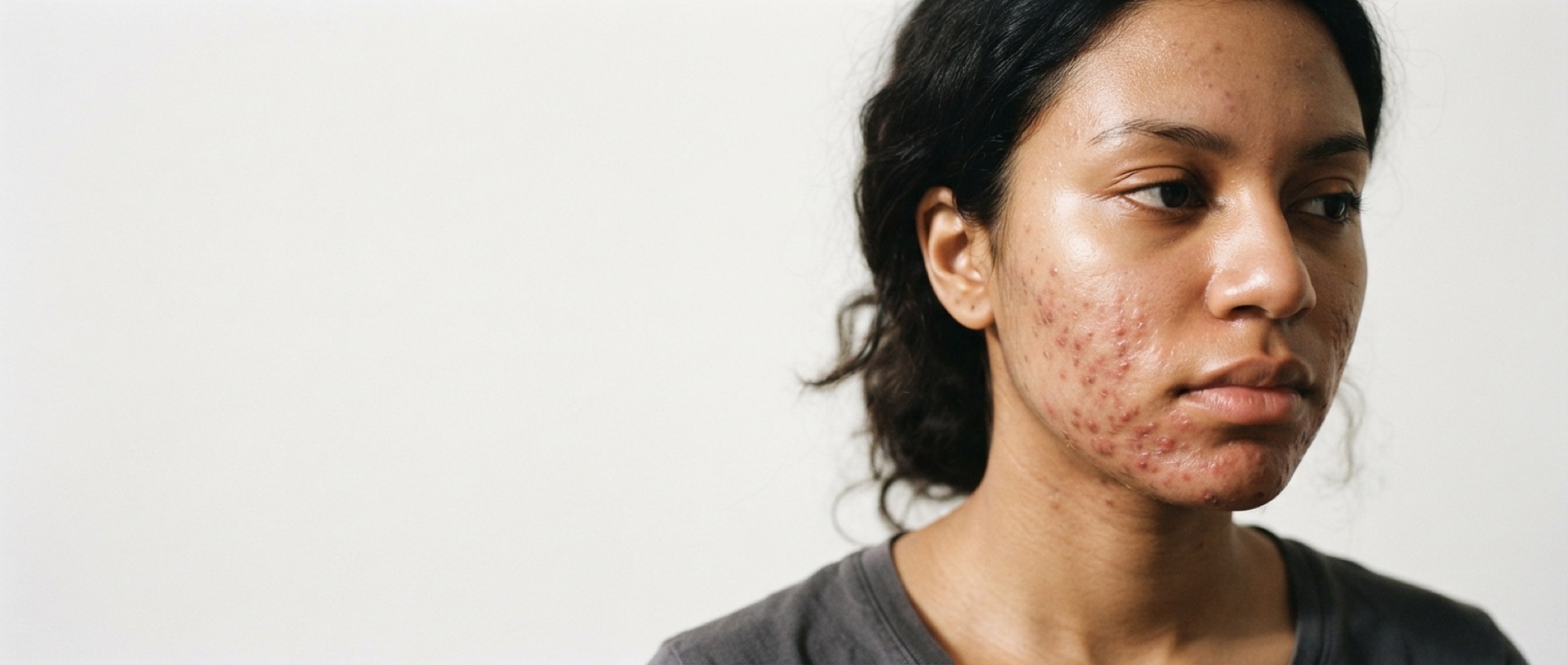
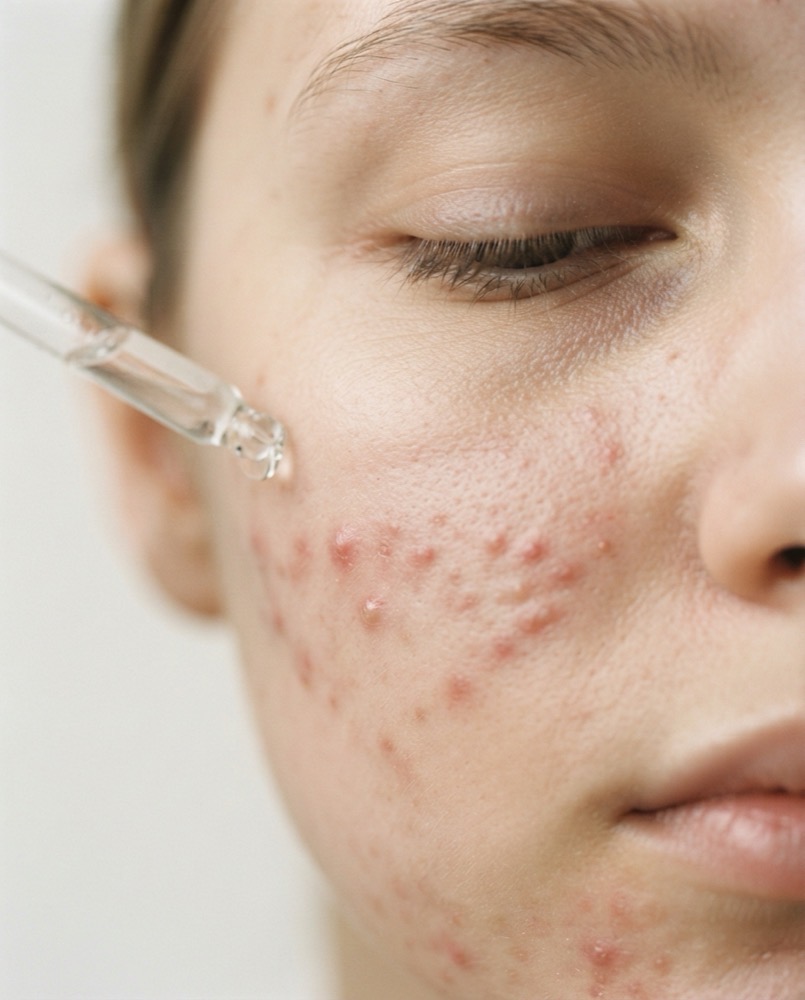
Acne vulgaris is a chronic inflammatory condition of the pilosebaceous unit – the hair follicle and its attached oil gland. It produces blackheads and whiteheads, inflamed papules and pustules, and in severe cases deep nodules and cysts.
It is the most common skin condition worldwide, and it is not a hygiene problem. Acne begins with a microcomedone forming invisibly inside the follicle, weeks before anything shows on the surface.
What causes acne?
Four mechanisms work together: excess sebum driven by androgens, abnormal shedding of cells inside the follicle, overgrowth of Cutibacterium acnes, and the inflammatory response that follows.
Genetics set the baseline. Hormonal fluctuation, stress, high-glycaemic diets, comedogenic products, friction from masks or helmets, and certain medications all push it further. Over-cleansing and picking make it visibly worse.
What ingredients are best for acne?
Salicylic acid clears inside the pore, benzoyl peroxide reduces bacterial load, and retinoids prevent the plug forming in the first place – that last one is the most valuable long-term.
Azelaic acid and niacinamide reduce inflammation and the marks left behind, and sulphur or clay help oily, congested skin. Keep the barrier intact with a gentle cleanser and a light non-comedogenic moisturiser; stripped skin produces more oil. Take our Skin Quiz.