What is bakuchiol in skincare?
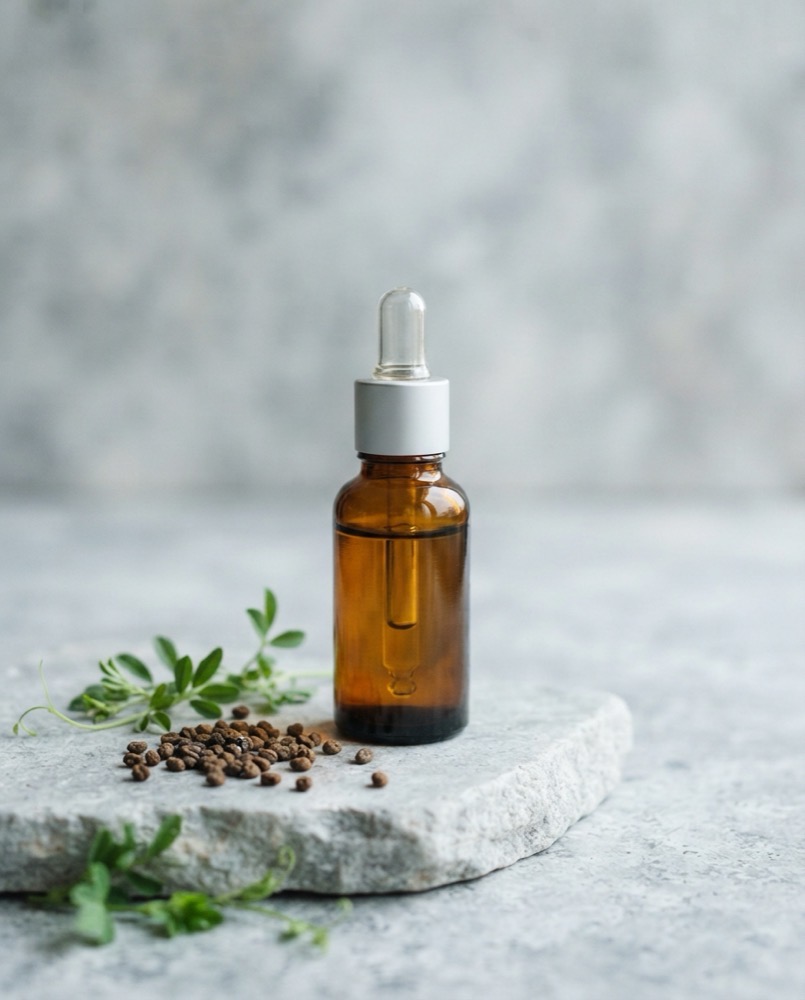
Bakuchiol is a plant-derived compound extracted from the seeds of Psoralea corylifolia, long used in Ayurvedic and traditional Chinese medicine. It is structurally nothing like vitamin A, but gene-expression profiling shows it switches on many of the same pathways as retinol.
That is why it is marketed as a natural retinol alternative. It is stable in light, tolerated in pregnancy far more readily than retinoids, and does not cause the peeling phase.
What skin concerns does bakuchiol treat?
A randomised double-blind trial comparing bakuchiol with retinol found both significantly reduced wrinkle surface area and hyperpigmentation over twelve weeks – with bakuchiol causing less stinging and scaling.
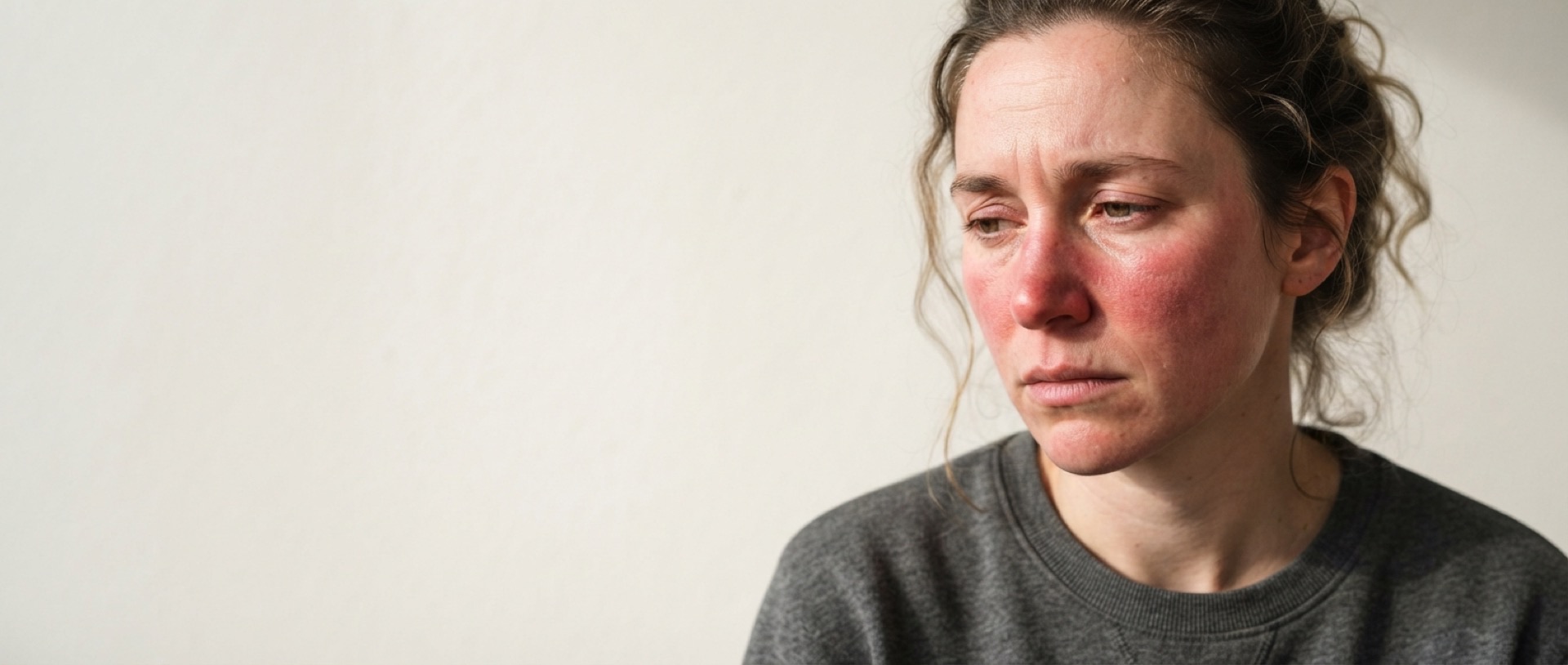
It is therefore a good fit for fine lines, uneven tone, loss of firmness and mild acne, particularly on sensitive or rosacea-prone skin that retinoids inflame.
What ingredients are best paired with bakuchiol?
It is unusually easy to combine. Bakuchiol layers safely with vitamin C, AHAs, BHAs and niacinamide – combinations that would be risky with a retinoid – and is often used alongside a low-strength retinol to boost results.
Pair it with hyaluronic acid, ceramides and peptides for hydration and firmness, and keep using SPF. Expect a slower, gentler curve than retinol rather than an identical one. Take our Skin Quiz.
What are acne scars?
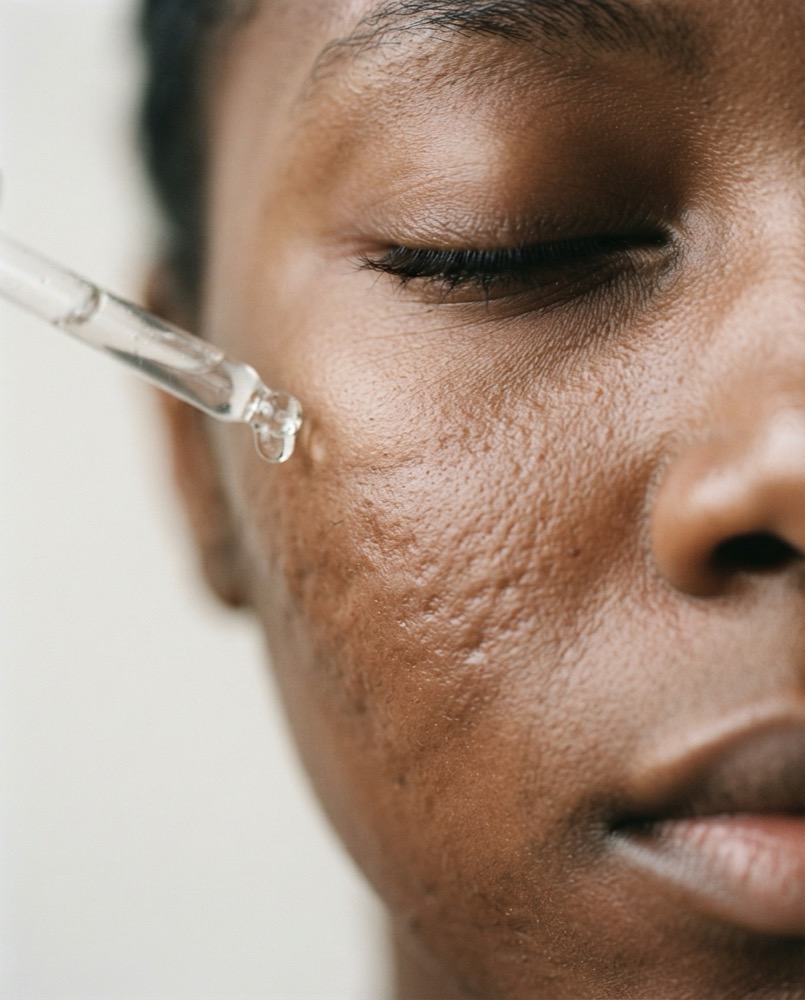
Acne scars are permanent changes in skin texture left behind after inflammatory acne damages the dermis. They fall into two families: atrophic scars, which sit below the surface as ice-pick, boxcar or rolling depressions, and hypertrophic or keloid scars, which sit raised above it.
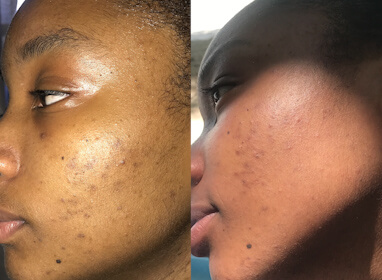
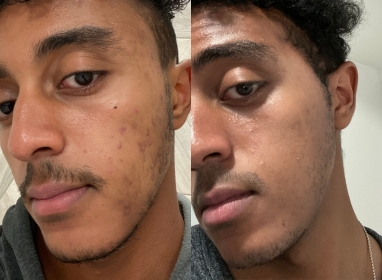
What most people call scarring is often post-inflammatory hyperpigmentation or erythema – flat brown or red marks with no texture change. Those fade on their own; true atrophic scars do not.
What causes acne scars?
Scarring happens when inflammation reaches deep enough to destroy collagen and the repair process either lays down too little (atrophic) or too much (hypertrophic). Deep nodular and cystic lesions carry the highest risk.
Delaying treatment, picking or squeezing, and prolonged inflammation all increase the odds. Genetics play a large part in who scars and how, which is why two people with identical acne can heal very differently.
What ingredients are best for acne scars?
For flat marks, ingredients that speed turnover and calm pigment work well: retinoids, vitamin C, niacinamide, azelaic acid, alpha arbutin and AHAs, with daily SPF to stop marks darkening again.
For true textural scarring, topicals can soften but not erase – retinoids and peptides help remodel collagen over months, while in-clinic options like microneedling, resurfacing and subcision do the heavy lifting. Preventing new inflammation is the highest-value step. Take our Skin Quiz.