What is avocado oil in skincare?
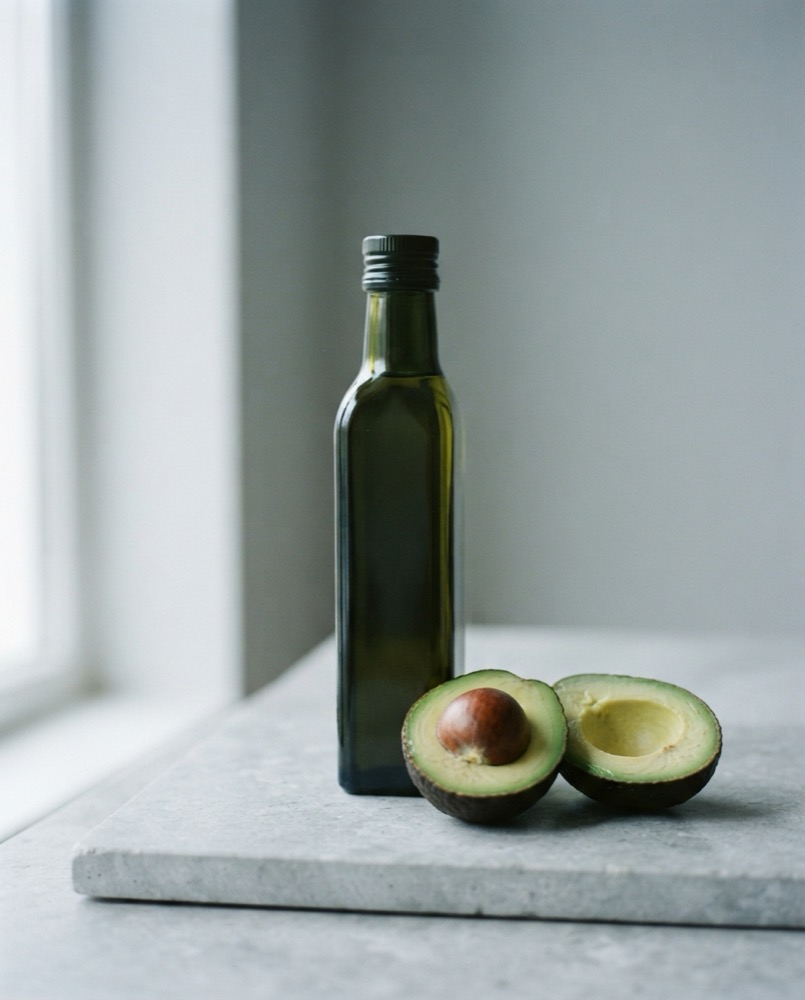
Avocado oil is pressed from the pulp of the fruit rather than the stone, which is unusual – most plant oils come from seeds. It is thick, deep green when unrefined, and very high in oleic acid, with vitamin E, beta-carotene, lecithin and phytosterols.
That composition makes it one of the richest and most occlusive plant oils in common use, closer in feel to a butter than to a light facial oil.
What skin concerns does avocado oil treat?
It suits very dry, flaky or mature skin and rough body areas, where its high lipid content reduces water loss and softens noticeably. Its sterols and vitamin E give it anti-inflammatory activity useful for eczema and psoriasis-prone skin.
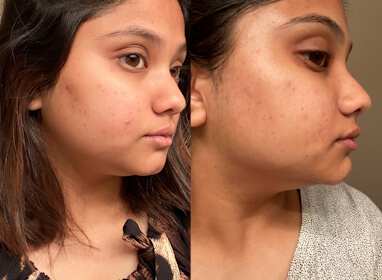
It is often used for stretch marks and after sun exposure. Being oleic-dominant and heavy, it is a poor choice for oily or acne-prone facial skin, where it readily congests pores.
What ingredients are best paired with avocado oil?
Use it as a final sealing layer over humectants such as glycerin and hyaluronic acid, and alongside ceramides and shea butter for intensive dry-skin routines.
It is also a good carrier for vitamin C oils and essential oils. If your skin is combination or breakout-prone, reserve it for body and hands, and use squalane or jojoba on the face. Take our Skin Quiz.
What is dry skin?
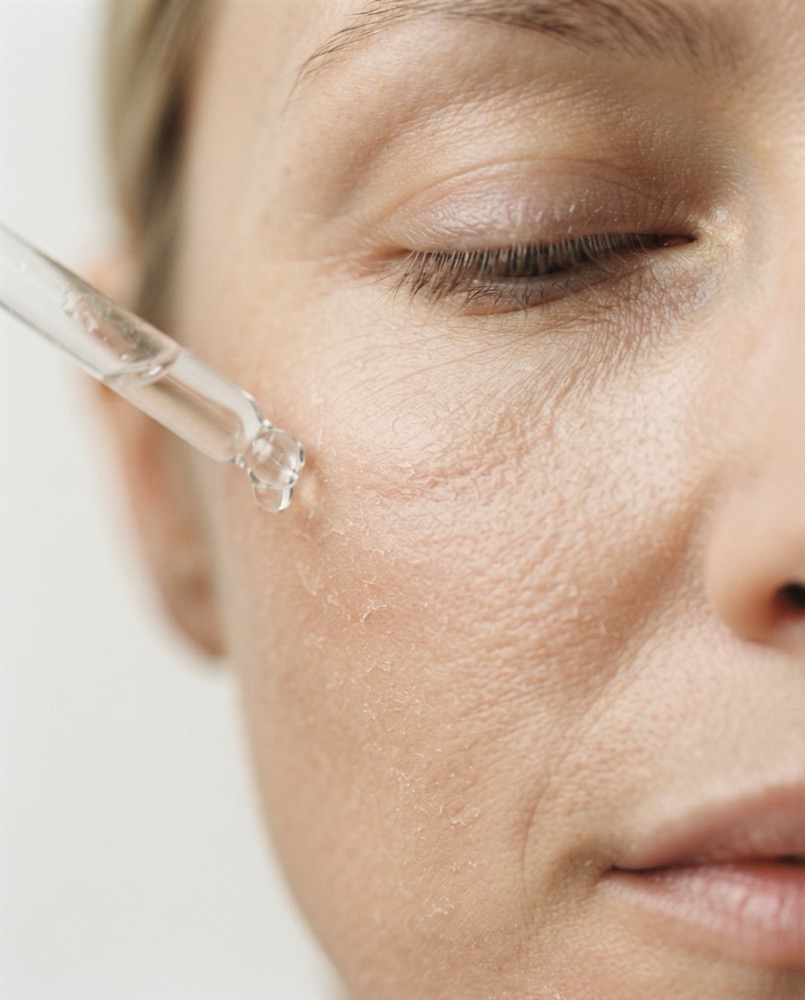
Dry skin – xerosis in clinical terms – is a skin type that lacks oil rather than water. It feels tight after cleansing, looks flaky or rough, may show fine cracking, and often reads dull because the uneven surface scatters light.
It is worth separating dry skin from dehydrated skin: dryness is a lack of lipids and is usually lifelong, while dehydration is a temporary lack of water and can happen to oily skin too. Many people have both at once.
What causes dry skin?
At the root is a compromised moisture barrier. When ceramides, cholesterol, fatty acids and natural moisturising factors run low, water evaporates out of the skin faster than it can be replaced.
Age, genetics, cold weather and low humidity, long hot showers, harsh surfactants, over-exfoliation, some medications, and conditions such as eczema and psoriasis all deplete those lipids. Consistent moisturising is the single intervention with the strongest evidence behind it.
What ingredients are best for dry skin?
Rebuild in layers. Humectants such as hyaluronic acid, glycerin, urea and panthenol draw water in; emollients such as squalane, jojoba oil and shea butter smooth the surface; and occlusives seal the whole thing in.
Ceramides, cholesterol and fatty acids are the priority, because they replace exactly what a dry barrier is missing, with niacinamide helping the skin make more of its own. Apply to damp skin, and swap foaming cleansers for cream or oil-based ones. Take our Skin Quiz to find the right combination for your skin.