

What is apple cider vinegar in skincare?
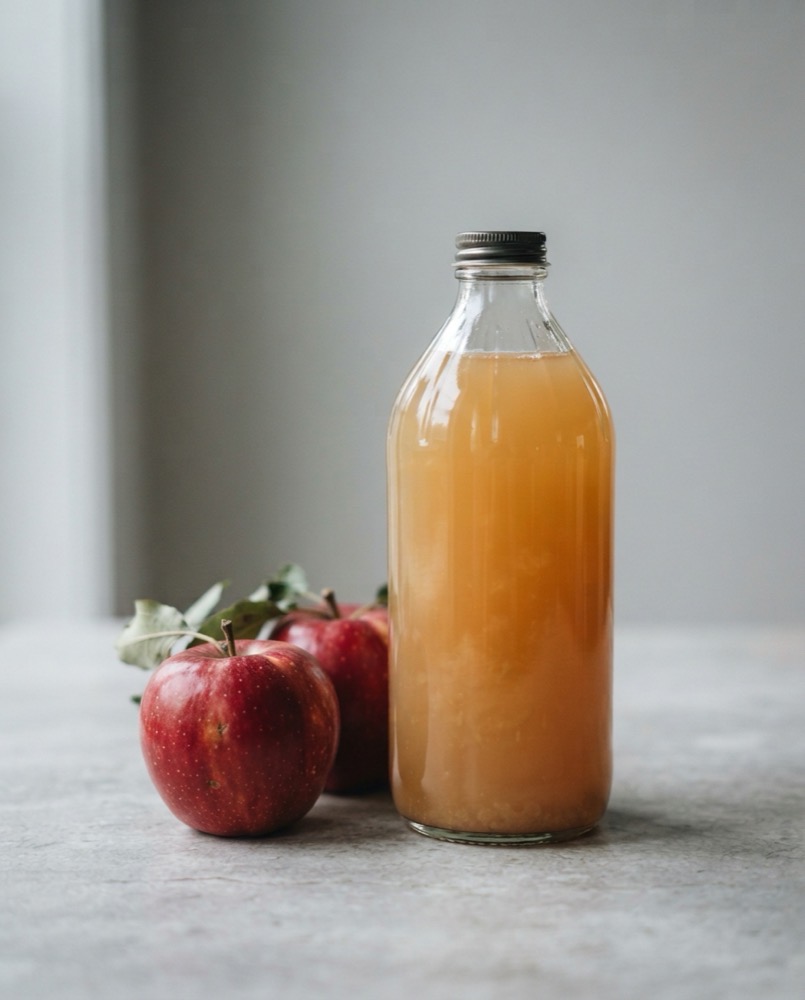
Apple cider vinegar is made by fermenting apple juice twice – first to alcohol, then to acetic acid. The result is a liquid of roughly 5 to 6% acetic acid with a pH around 2 to 3, plus trace malic acid and polyphenols.
Its skincare reputation rests on the idea that its acidity restores the skin’s acid mantle and that its antimicrobial action clears acne. Both claims sound reasonable; neither has held up well under testing.
What skin concerns does apple cider vinegar treat?
It is used as a toner, a spot treatment and a soak for eczema. The problem is concentration: undiluted ACV is roughly a hundred times more acidic than skin, and chemical burns from it are well documented in the dermatology literature.
The most direct test was unflattering. A clinical study found apple cider vinegar soaks did not improve skin barrier integrity in atopic dermatitis and caused irritation in most participants, and a companion study found they did not alter the skin bacterial microbiome either.
What ingredients are best paired with apple cider vinegar?
The practical answer is to keep it in the kitchen. If you insist on trying it, dilute heavily – one part vinegar to at least four parts water – patch test, keep it off broken or sensitive skin, and never leave it on overnight.
Everything it is reached for has a better-controlled alternative: lactic or glycolic acid for exfoliation and pH, salicylic acid or benzoyl peroxide for acne, and ceramides with niacinamide for barrier repair. Take our Skin Quiz.
What is redness?
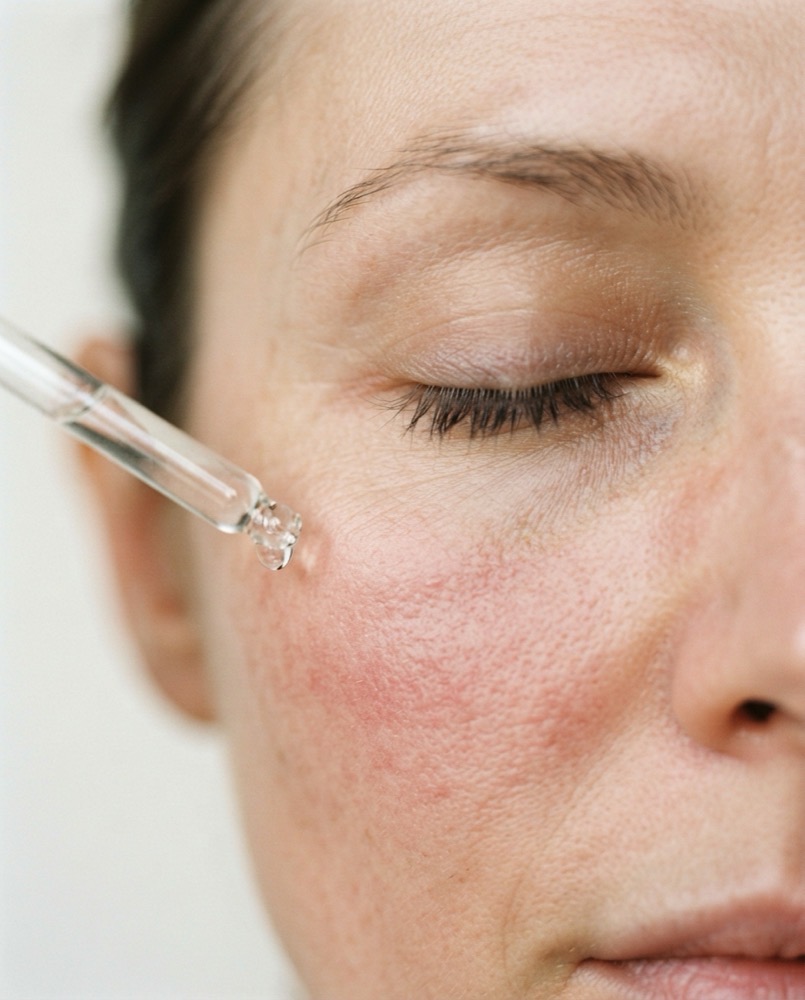
Facial redness is visible dilation of the small blood vessels near the skin’s surface. It ranges from transient flushing that comes and goes, to persistent erythema across the cheeks and nose, to fixed thread veins that stay visible all the time.
Redness is a symptom rather than a diagnosis. It can signal rosacea, irritation, an over-exfoliated barrier, eczema, an allergic reaction or simply reactive skin that responds strongly to heat and stress.
What causes redness?
Most persistent redness traces back to a compromised barrier and heightened nerve sensitivity. When the barrier thins, irritants penetrate more easily and the skin mounts an inflammatory response to things it would normally tolerate.
Common aggravators: over-exfoliation, high-strength actives used too often, fragrance and essential oils, hot water, alcohol, spicy food, sudden temperature change, sun exposure and stress. Trying to treat redness with more actives usually deepens it.
What ingredients are best for redness?
Prioritise calming and rebuilding over correcting. Niacinamide, azelaic acid, centella asiatica, green tea extract, liquorice root, allantoin, bisabolol and colloidal oatmeal all reduce visible inflammation.
Then repair the barrier with ceramides, cholesterol, fatty acids, glycerin, panthenol and squalane, and protect it with a gentle mineral SPF. Strip the routine back to cleanser, moisturiser and sunscreen for a few weeks before reintroducing anything active. Take our Skin Quiz.