

What is apple cider vinegar in skincare?
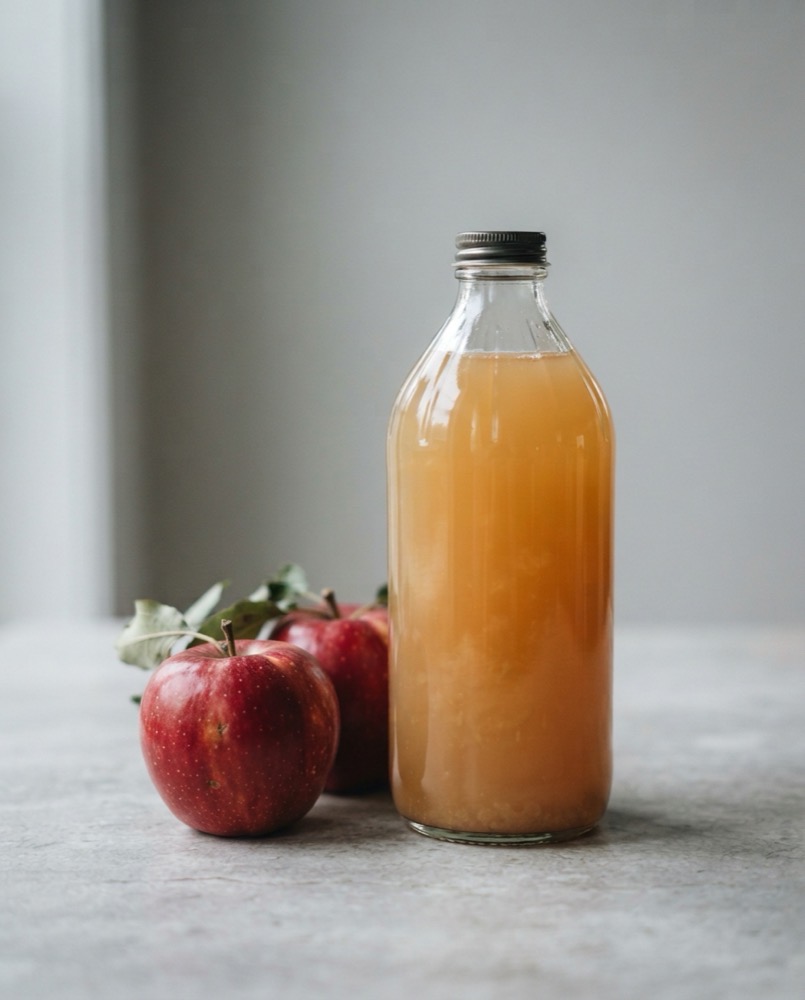
Apple cider vinegar is made by fermenting apple juice twice – first to alcohol, then to acetic acid. The result is a liquid of roughly 5 to 6% acetic acid with a pH around 2 to 3, plus trace malic acid and polyphenols.
Its skincare reputation rests on the idea that its acidity restores the skin’s acid mantle and that its antimicrobial action clears acne. Both claims sound reasonable; neither has held up well under testing.
What skin concerns does apple cider vinegar treat?
It is used as a toner, a spot treatment and a soak for eczema. The problem is concentration: undiluted ACV is roughly a hundred times more acidic than skin, and chemical burns from it are well documented in the dermatology literature.
The most direct test was unflattering. A clinical study found apple cider vinegar soaks did not improve skin barrier integrity in atopic dermatitis and caused irritation in most participants, and a companion study found they did not alter the skin bacterial microbiome either.
What ingredients are best paired with apple cider vinegar?
The practical answer is to keep it in the kitchen. If you insist on trying it, dilute heavily – one part vinegar to at least four parts water – patch test, keep it off broken or sensitive skin, and never leave it on overnight.
Everything it is reached for has a better-controlled alternative: lactic or glycolic acid for exfoliation and pH, salicylic acid or benzoyl peroxide for acne, and ceramides with niacinamide for barrier repair. Take our Skin Quiz.
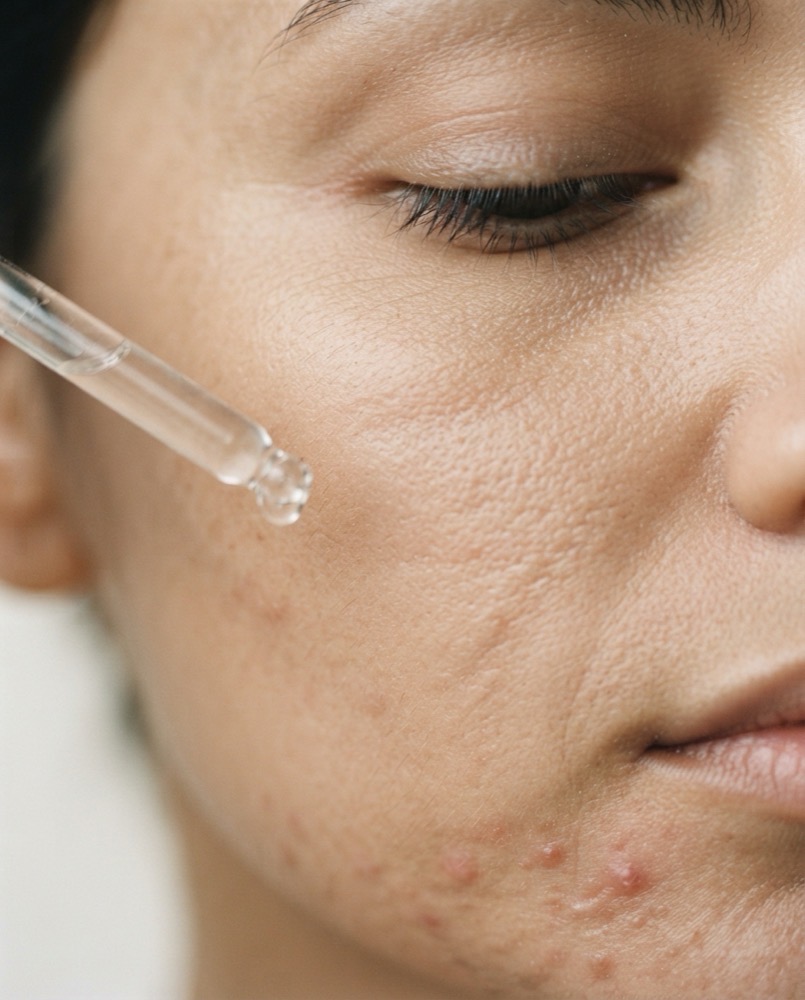
What is adult acne?
Adult acne is acne that persists past the teenage years or appears for the first time in your twenties, thirties or later. It affects a substantial share of adults, and disproportionately women.
It tends to look different from teenage acne: fewer widespread blackheads, more deep tender lesions along the jawline, chin and neck, often on skin that is simultaneously dry, sensitive or already showing early signs of ageing.
What causes adult acne?
Hormonal fluctuation is the leading driver – menstrual cycles, coming off or starting contraception, pregnancy, perimenopause and conditions such as PCOS all shift androgen activity and sebum output.
Stress and cortisol, sleep debt, high-glycaemic diets, comedogenic makeup and skincare, friction, and certain medications compound it. Adult skin also heals more slowly, so marks linger longer than they did at nineteen.
What ingredients are best for adult acne?
The challenge is treating acne without wrecking a barrier that is also ageing. Retinoids do double duty here, clearing follicles and stimulating collagen at the same time.
Azelaic acid is excellent for adult skin because it handles lesions, redness and post-acne marks together. Add salicylic acid used sparingly, niacinamide to regulate oil and calm inflammation, and ceramides plus hyaluronic acid to keep hydration up. Skip harsh benzoyl peroxide concentrations and scrubs. Take our Skin Quiz.