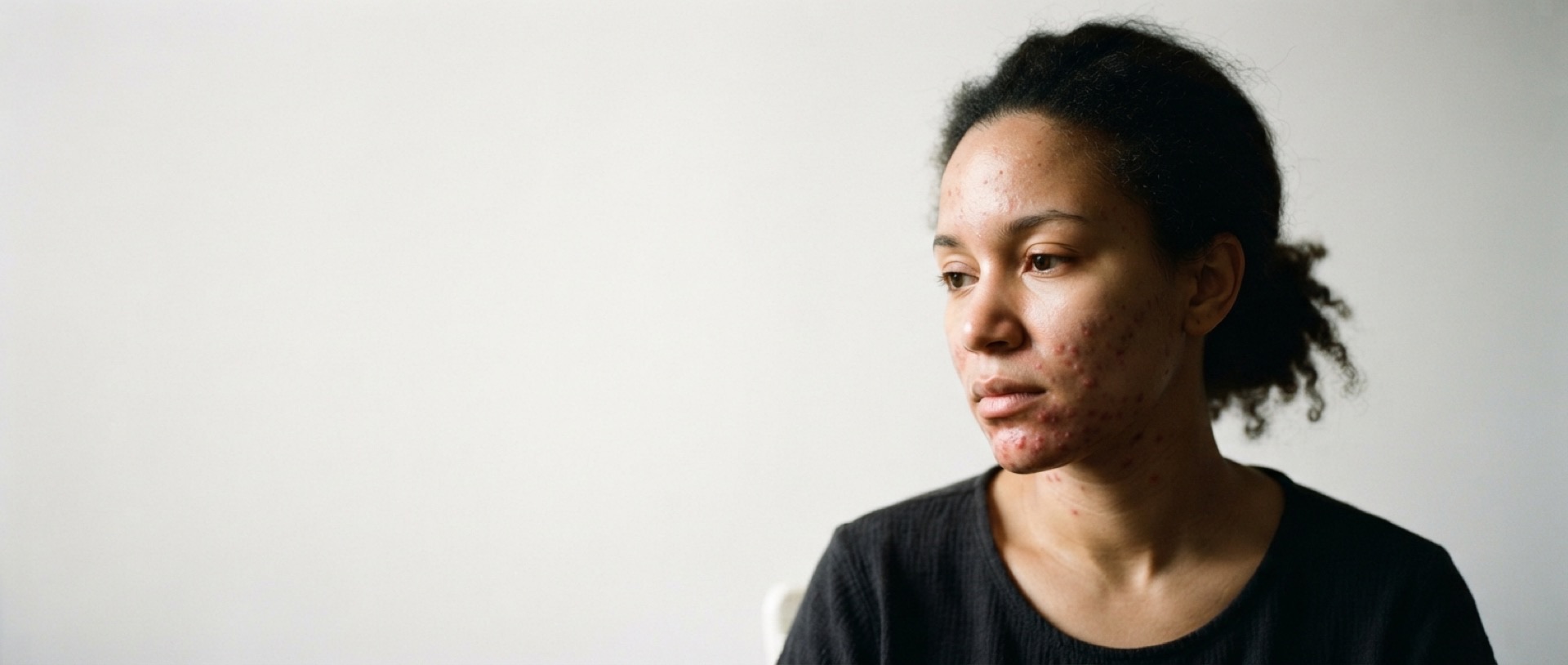
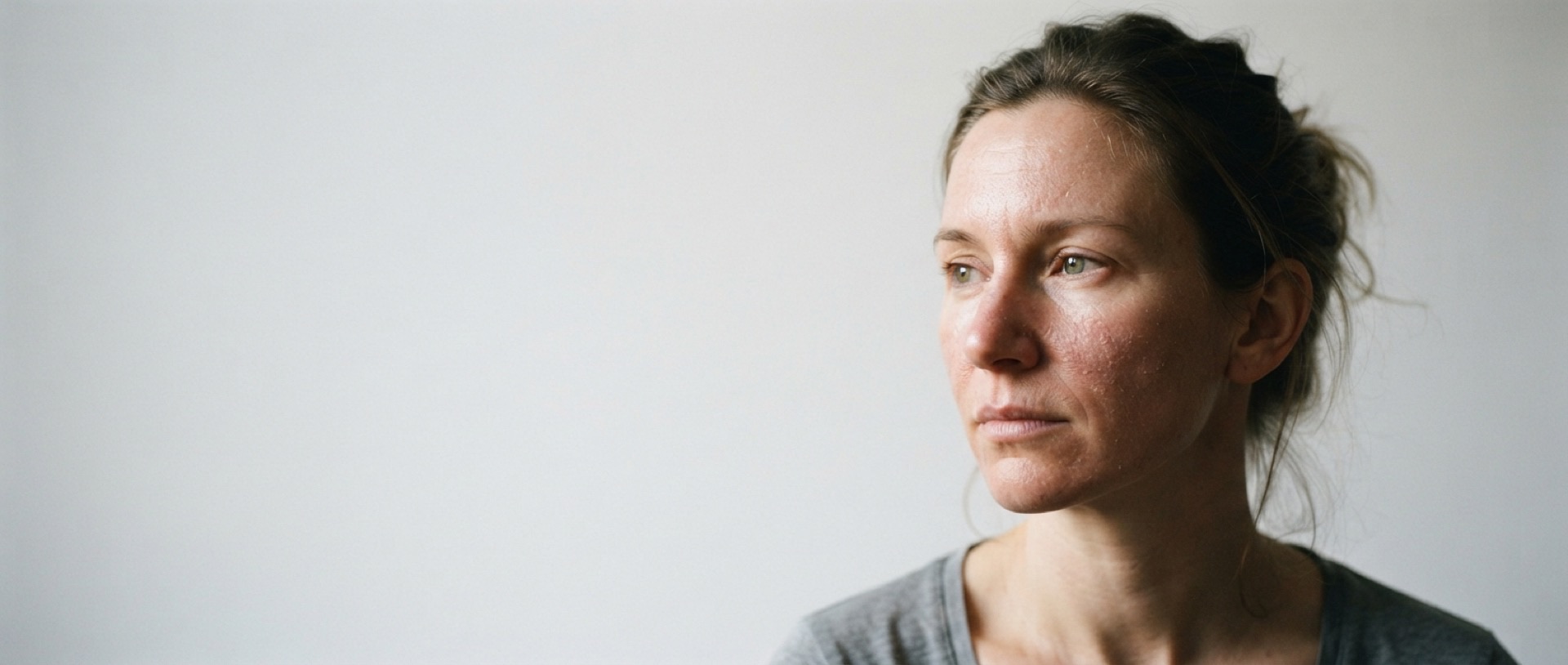
What are antioxidants in skincare?
Antioxidants are molecules that neutralise free radicals – unstable oxygen species generated by UV light, pollution, smoke and normal metabolism. Left unchecked those radicals damage lipids, proteins and DNA in skin cells.
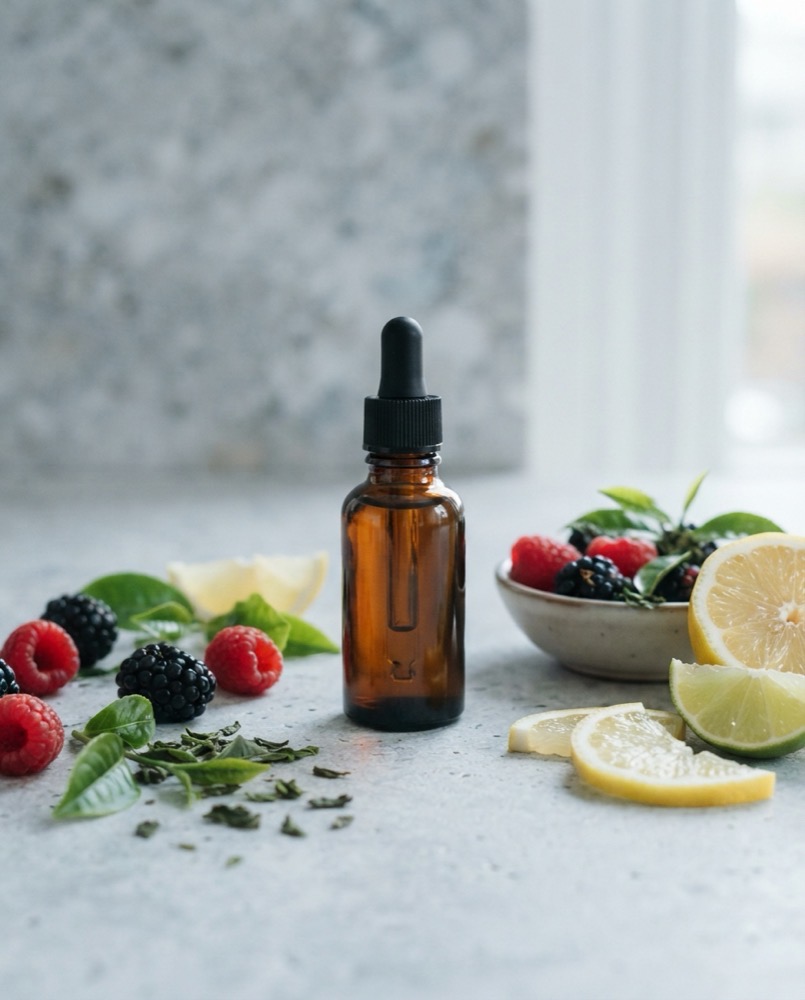
Skin has its own antioxidant network, but it is depleted by sun exposure and declines with age. Topical antioxidants top it back up. The category spans vitamin C, vitamin E, ferulic acid, niacinamide, resveratrol, green tea polyphenols, coenzyme Q10 and many botanical extracts.
What skin concerns do antioxidants treat?
They are primarily preventative, working against the oxidative damage behind photoageing – fine lines, loss of firmness, uneven tone and dullness.
Several also treat actively: vitamin C brightens pigment, niacinamide evens tone and controls oil, green tea and resveratrol calm inflammation. Applied under sunscreen they reduce the damage that gets through, which is why dermatologists treat them as a morning step rather than an optional extra.
What ingredients are best paired with antioxidants?
Antioxidants work as a network, regenerating one another, so combinations outperform any single one. The best-evidenced example is vitamin C with vitamin E and ferulic acid, which together measurably increase photoprotection beyond what each achieves alone.
Use them in the morning, always under broad-spectrum SPF – they reduce damage but do not block UV. At night, pair with retinoids and peptides for repair, and with ceramides and hyaluronic acid for barrier support. Take our Skin Quiz.
What is acne?
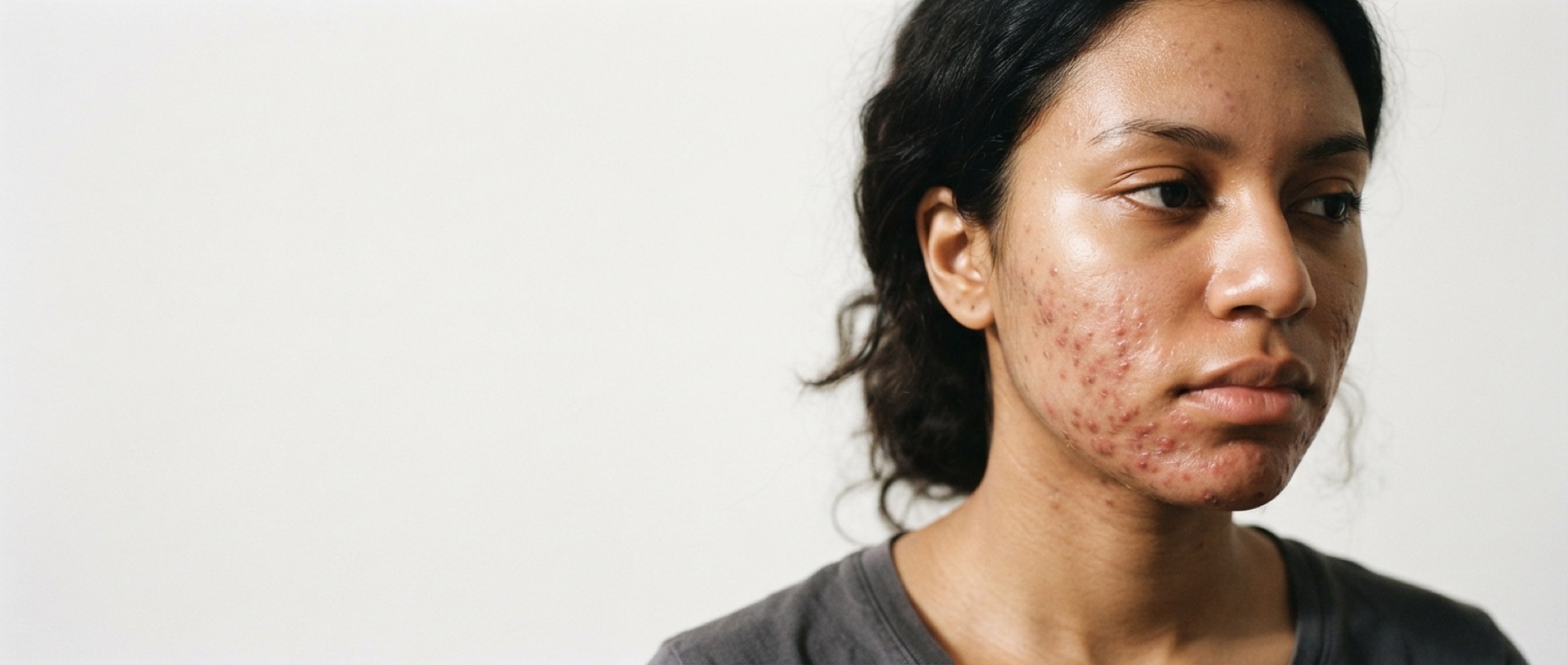
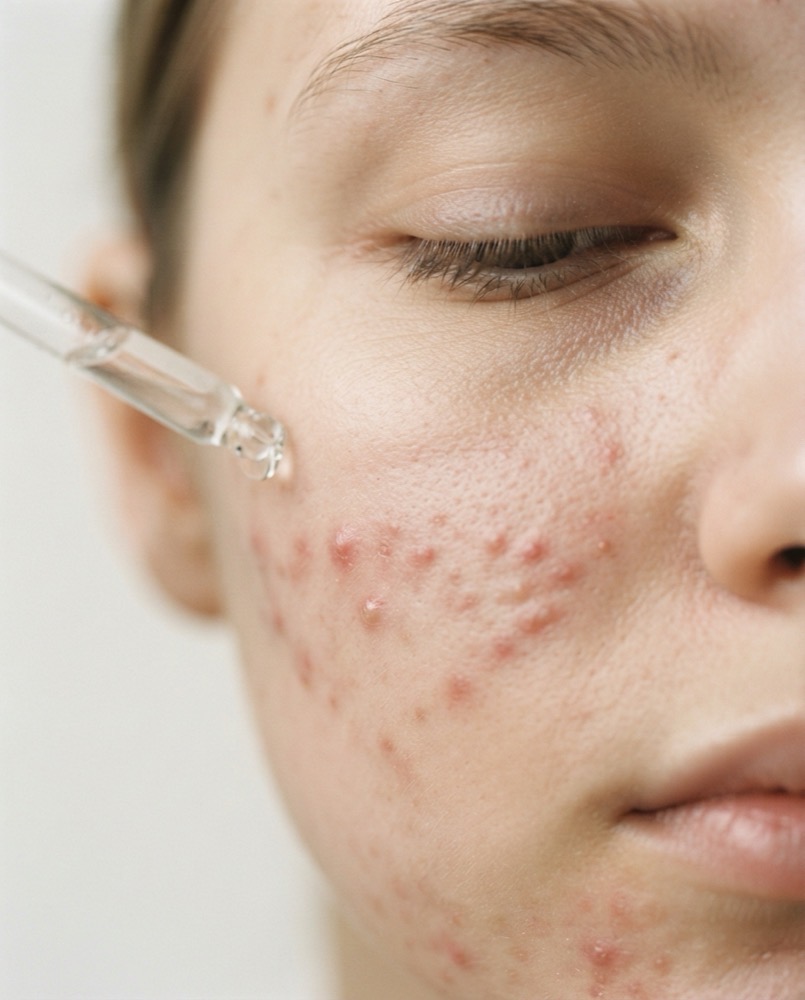
Acne vulgaris is a chronic inflammatory condition of the pilosebaceous unit – the hair follicle and its attached oil gland. It produces blackheads and whiteheads, inflamed papules and pustules, and in severe cases deep nodules and cysts.
It is the most common skin condition worldwide, and it is not a hygiene problem. Acne begins with a microcomedone forming invisibly inside the follicle, weeks before anything shows on the surface.
What causes acne?
Four mechanisms work together: excess sebum driven by androgens, abnormal shedding of cells inside the follicle, overgrowth of Cutibacterium acnes, and the inflammatory response that follows.
Genetics set the baseline. Hormonal fluctuation, stress, high-glycaemic diets, comedogenic products, friction from masks or helmets, and certain medications all push it further. Over-cleansing and picking make it visibly worse.
What ingredients are best for acne?
Salicylic acid clears inside the pore, benzoyl peroxide reduces bacterial load, and retinoids prevent the plug forming in the first place – that last one is the most valuable long-term.
Azelaic acid and niacinamide reduce inflammation and the marks left behind, and sulphur or clay help oily, congested skin. Keep the barrier intact with a gentle cleanser and a light non-comedogenic moisturiser; stripped skin produces more oil. Take our Skin Quiz.