What is aloe vera in skincare?
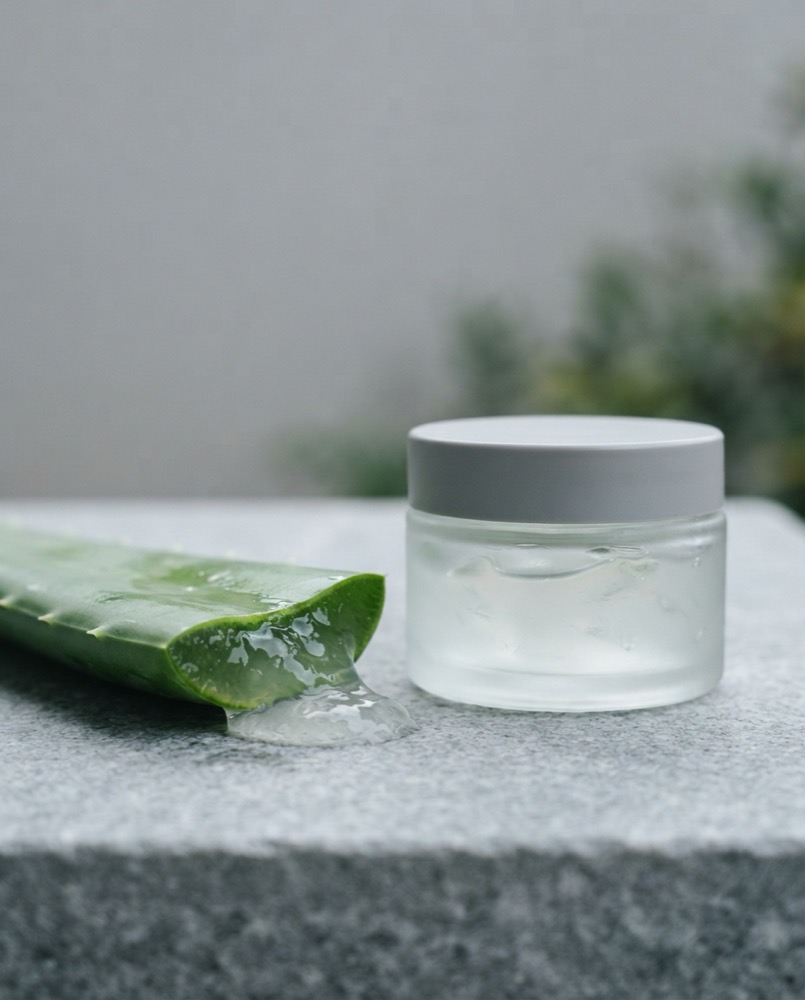
Aloe vera is a succulent whose leaves hold a clear inner gel made up of around 99% water plus polysaccharides, amino acids, vitamins, enzymes and salicylates. That gel is what goes into skincare.
It has been used medicinally for thousands of years, and it remains one of the few traditional botanicals with a reasonable modern evidence base – particularly for wound healing and skin repair.
What skin concerns does aloe vera treat?
It is best known for soothing sunburn, minor burns, cuts and irritation, where its anti-inflammatory and cooling action gives immediate relief. Its polysaccharides act as humectants, so it also hydrates without any greasiness.
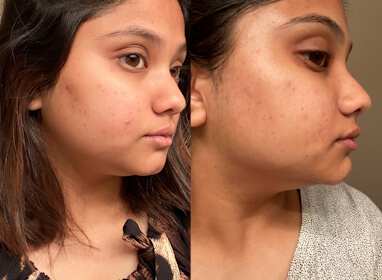
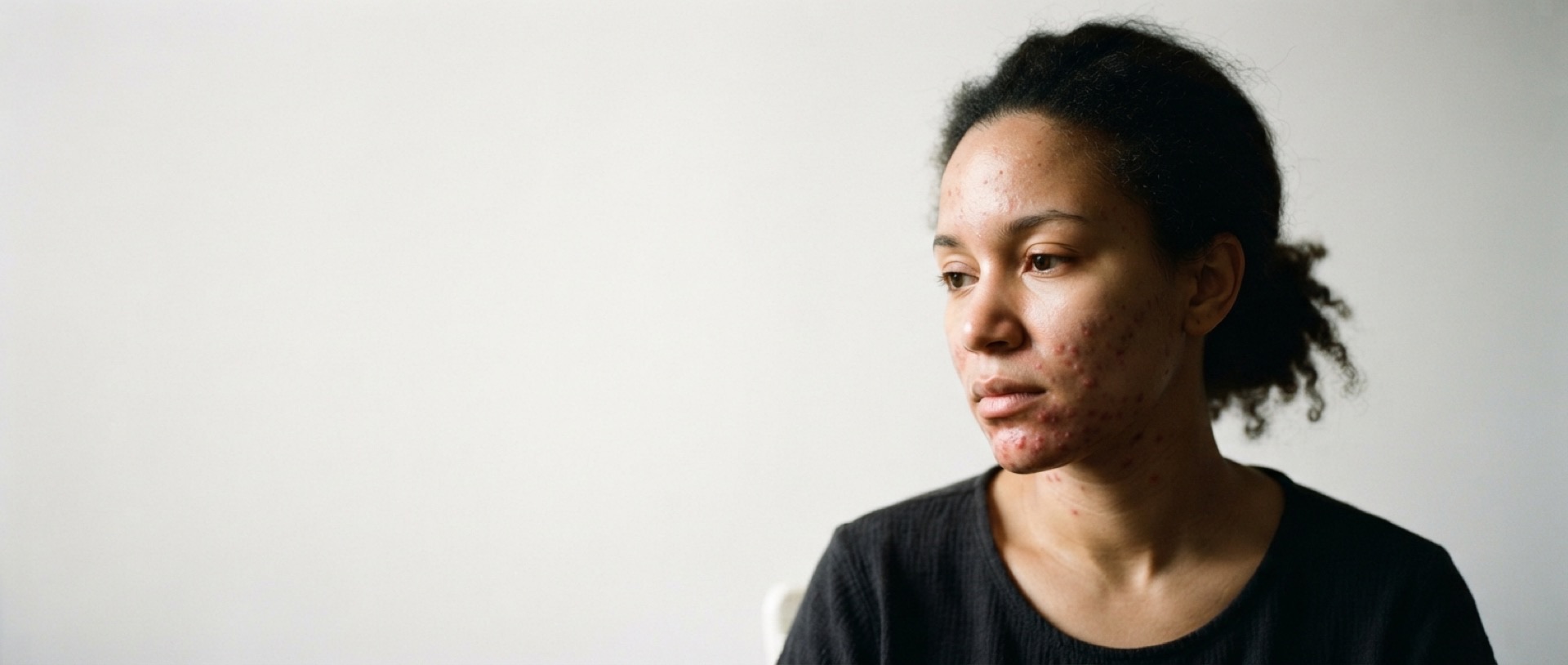
Studies support a role in accelerating cutaneous wound healing, and its mild antibacterial activity makes it a useful gentle option for inflamed, acne-prone skin that cannot tolerate stronger actives.
What ingredients are best paired with aloe vera?
It works as a lightweight hydrating base under almost anything: pair it with hyaluronic acid and glycerin for hydration, ceramides and squalane to seal it in, and niacinamide or centella asiatica for extra calming.
Because aloe is mostly water, it needs a moisturiser over the top or the hydration evaporates. A small number of people are allergic, so patch test first – and choose a formula high in aloe rather than one where it sits near the end of the list. Take our Skin Quiz.
What is dry skin?
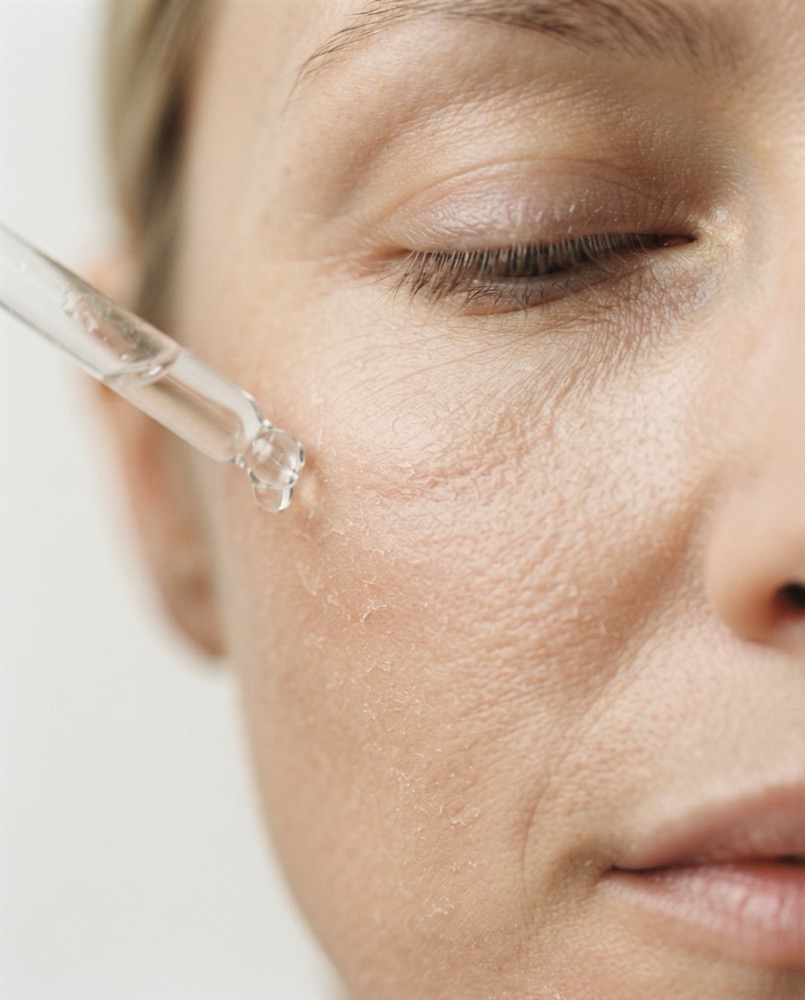
Dry skin – xerosis in clinical terms – is a skin type that lacks oil rather than water. It feels tight after cleansing, looks flaky or rough, may show fine cracking, and often reads dull because the uneven surface scatters light.
It is worth separating dry skin from dehydrated skin: dryness is a lack of lipids and is usually lifelong, while dehydration is a temporary lack of water and can happen to oily skin too. Many people have both at once.
What causes dry skin?
At the root is a compromised moisture barrier. When ceramides, cholesterol, fatty acids and natural moisturising factors run low, water evaporates out of the skin faster than it can be replaced.
Age, genetics, cold weather and low humidity, long hot showers, harsh surfactants, over-exfoliation, some medications, and conditions such as eczema and psoriasis all deplete those lipids. Consistent moisturising is the single intervention with the strongest evidence behind it.
What ingredients are best for dry skin?
Rebuild in layers. Humectants such as hyaluronic acid, glycerin, urea and panthenol draw water in; emollients such as squalane, jojoba oil and shea butter smooth the surface; and occlusives seal the whole thing in.
Ceramides, cholesterol and fatty acids are the priority, because they replace exactly what a dry barrier is missing, with niacinamide helping the skin make more of its own. Apply to damp skin, and swap foaming cleansers for cream or oil-based ones. Take our Skin Quiz to find the right combination for your skin.