What is aloe vera in skincare?
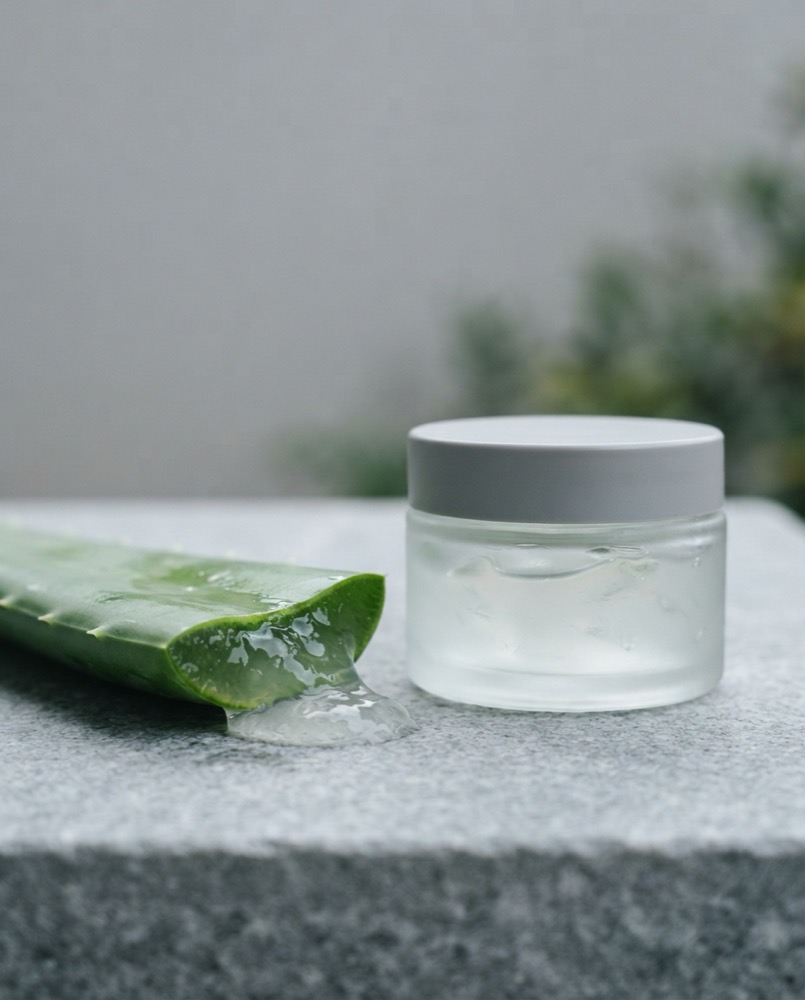
Aloe vera is a succulent whose leaves hold a clear inner gel made up of around 99% water plus polysaccharides, amino acids, vitamins, enzymes and salicylates. That gel is what goes into skincare.
It has been used medicinally for thousands of years, and it remains one of the few traditional botanicals with a reasonable modern evidence base – particularly for wound healing and skin repair.
What skin concerns does aloe vera treat?
It is best known for soothing sunburn, minor burns, cuts and irritation, where its anti-inflammatory and cooling action gives immediate relief. Its polysaccharides act as humectants, so it also hydrates without any greasiness.
Studies support a role in accelerating cutaneous wound healing, and its mild antibacterial activity makes it a useful gentle option for inflamed, acne-prone skin that cannot tolerate stronger actives.
What ingredients are best paired with aloe vera?
It works as a lightweight hydrating base under almost anything: pair it with hyaluronic acid and glycerin for hydration, ceramides and squalane to seal it in, and niacinamide or centella asiatica for extra calming.
Because aloe is mostly water, it needs a moisturiser over the top or the hydration evaporates. A small number of people are allergic, so patch test first – and choose a formula high in aloe rather than one where it sits near the end of the list. Take our Skin Quiz.
What is acne?
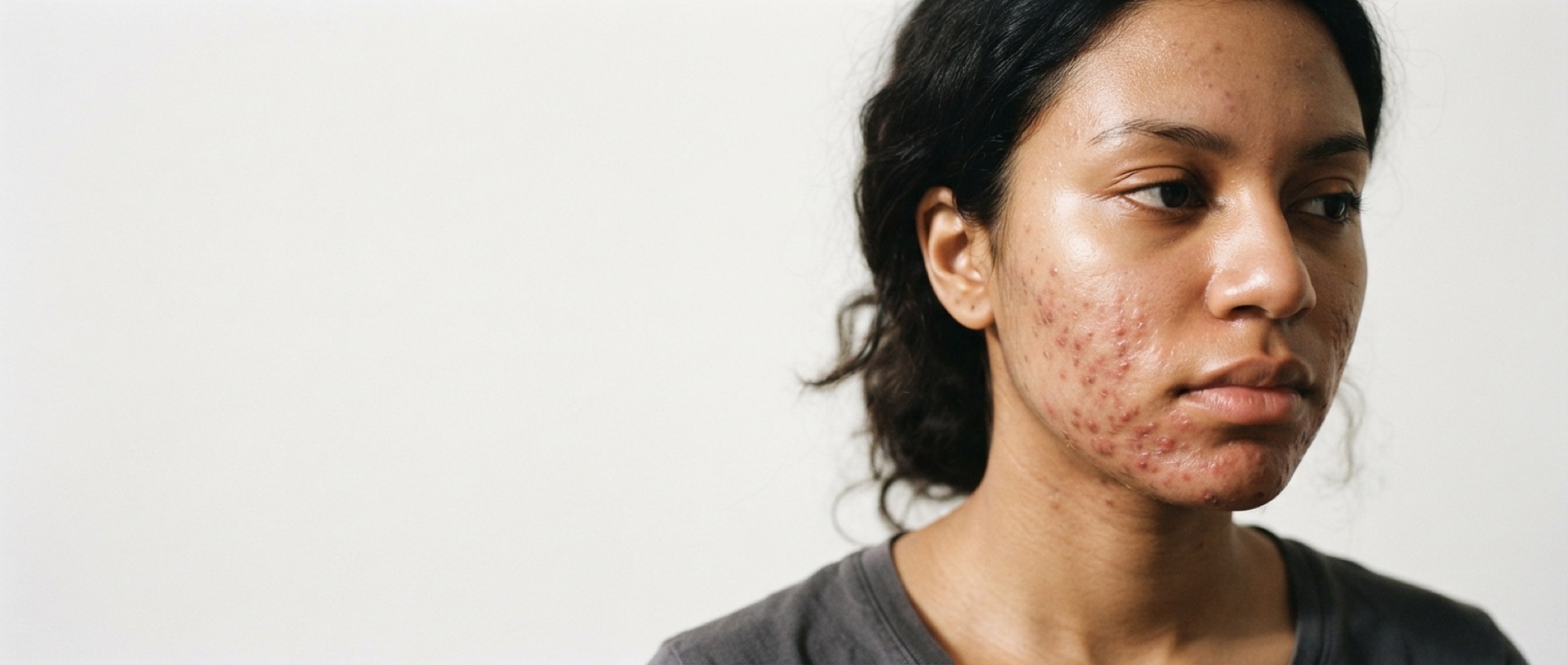
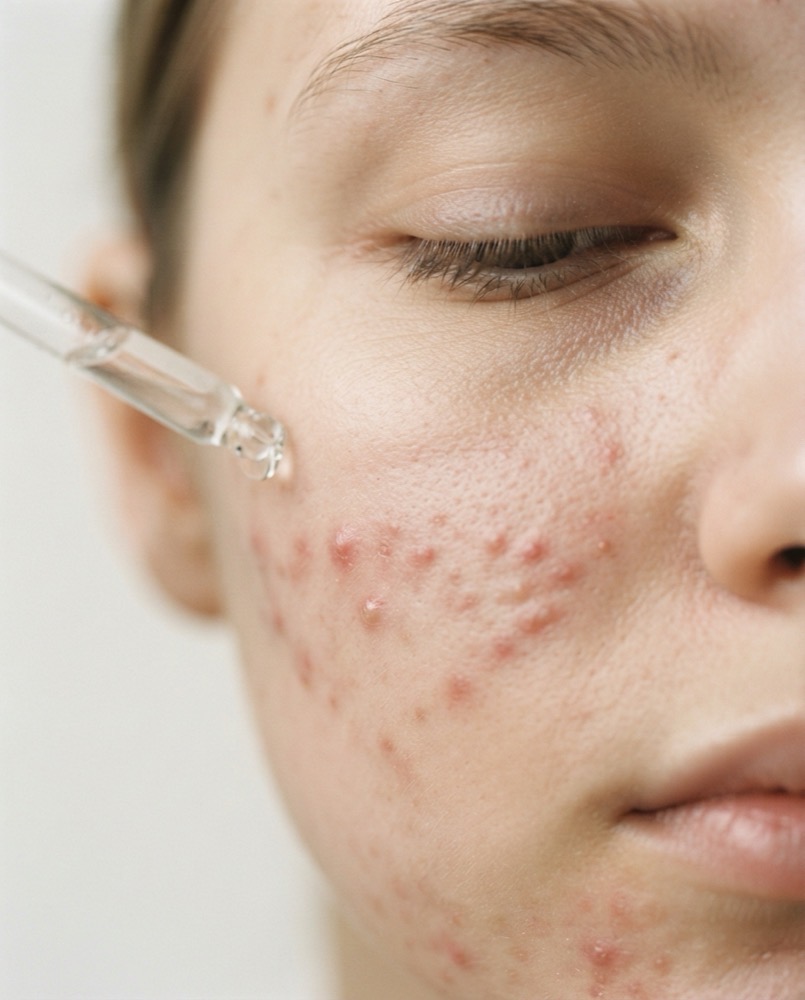
Acne vulgaris is a chronic inflammatory condition of the pilosebaceous unit – the hair follicle and its attached oil gland. It produces blackheads and whiteheads, inflamed papules and pustules, and in severe cases deep nodules and cysts.
It is the most common skin condition worldwide, and it is not a hygiene problem. Acne begins with a microcomedone forming invisibly inside the follicle, weeks before anything shows on the surface.
What causes acne?
Four mechanisms work together: excess sebum driven by androgens, abnormal shedding of cells inside the follicle, overgrowth of Cutibacterium acnes, and the inflammatory response that follows.
Genetics set the baseline. Hormonal fluctuation, stress, high-glycaemic diets, comedogenic products, friction from masks or helmets, and certain medications all push it further. Over-cleansing and picking make it visibly worse.
What ingredients are best for acne?
Salicylic acid clears inside the pore, benzoyl peroxide reduces bacterial load, and retinoids prevent the plug forming in the first place – that last one is the most valuable long-term.
Azelaic acid and niacinamide reduce inflammation and the marks left behind, and sulphur or clay help oily, congested skin. Keep the barrier intact with a gentle cleanser and a light non-comedogenic moisturiser; stripped skin produces more oil. Take our Skin Quiz.