

What is sodium ascorbyl phosphate in skincare?
Sodium ascorbyl phosphate, often abbreviated SAP, is a water-soluble salt of vitamin C in which a phosphate group protects the unstable part of the ascorbic acid molecule. Enzymes in the skin cleave that group to release active vitamin C.
The trade-off is deliberate: SAP is far more stable than L-ascorbic acid, works at a near-neutral pH that does not sting, and does not oxidise to orange in the bottle – but conversion means slower, gentler results.
What skin concerns does sodium ascorbyl phosphate treat?
It brightens pigmentation and uneven tone, provides antioxidant defence against UV and pollution, and supports collagen for firmness and fine lines.
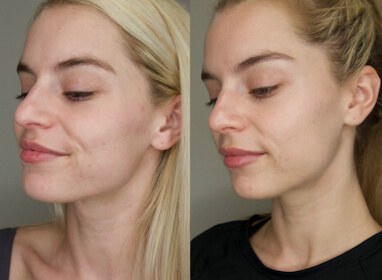
It has one benefit pure vitamin C does not: both in vitro and in vivo work shows SAP is effective in preventing and treating acne vulgaris, through antimicrobial and anti-inflammatory action. That makes it an unusually good fit for oily, breakout-prone skin that also wants brightening.
What ingredients are best paired with sodium ascorbyl phosphate?
Niacinamide is a natural partner for tone and oil control, and vitamin E extends its antioxidant reach. It layers safely with hyaluronic acid, ceramides and most actives.
Because it is water-soluble and pH-neutral it is far easier to formulate and use than L-ascorbic acid, and it suits sensitive skin. As with all vitamin C derivatives, expect a gentler curve and give it three months. Take our Skin Quiz.
What is redness?
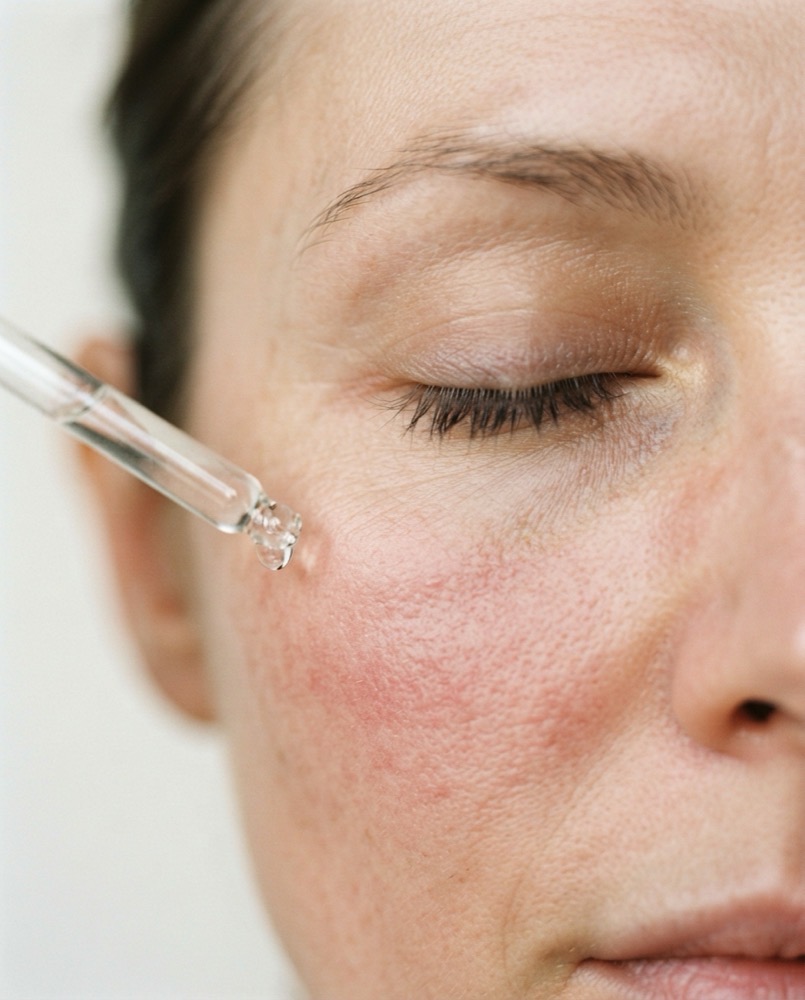
Facial redness is visible dilation of the small blood vessels near the skin’s surface. It ranges from transient flushing that comes and goes, to persistent erythema across the cheeks and nose, to fixed thread veins that stay visible all the time.
Redness is a symptom rather than a diagnosis. It can signal rosacea, irritation, an over-exfoliated barrier, eczema, an allergic reaction or simply reactive skin that responds strongly to heat and stress.
What causes redness?
Most persistent redness traces back to a compromised barrier and heightened nerve sensitivity. When the barrier thins, irritants penetrate more easily and the skin mounts an inflammatory response to things it would normally tolerate.
Common aggravators: over-exfoliation, high-strength actives used too often, fragrance and essential oils, hot water, alcohol, spicy food, sudden temperature change, sun exposure and stress. Trying to treat redness with more actives usually deepens it.
What ingredients are best for redness?
Prioritise calming and rebuilding over correcting. Niacinamide, azelaic acid, centella asiatica, green tea extract, liquorice root, allantoin, bisabolol and colloidal oatmeal all reduce visible inflammation.
Then repair the barrier with ceramides, cholesterol, fatty acids, glycerin, panthenol and squalane, and protect it with a gentle mineral SPF. Strip the routine back to cleanser, moisturiser and sunscreen for a few weeks before reintroducing anything active. Take our Skin Quiz.