What is PHA in skincare?
PHA stands for polyhydroxy acid, the newest generation of chemical exfoliants. The two you will see on labels are gluconolactone and lactobionic acid.
Their molecules are considerably larger than AHAs, so they sit on the surface and exfoliate slowly rather than penetrating quickly. That makes them the gentlest option in the acid family – studies show anti-ageing results comparable to AHAs with noticeably less irritation.
What skin concerns do PHAs treat?
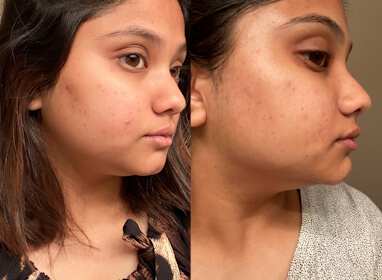
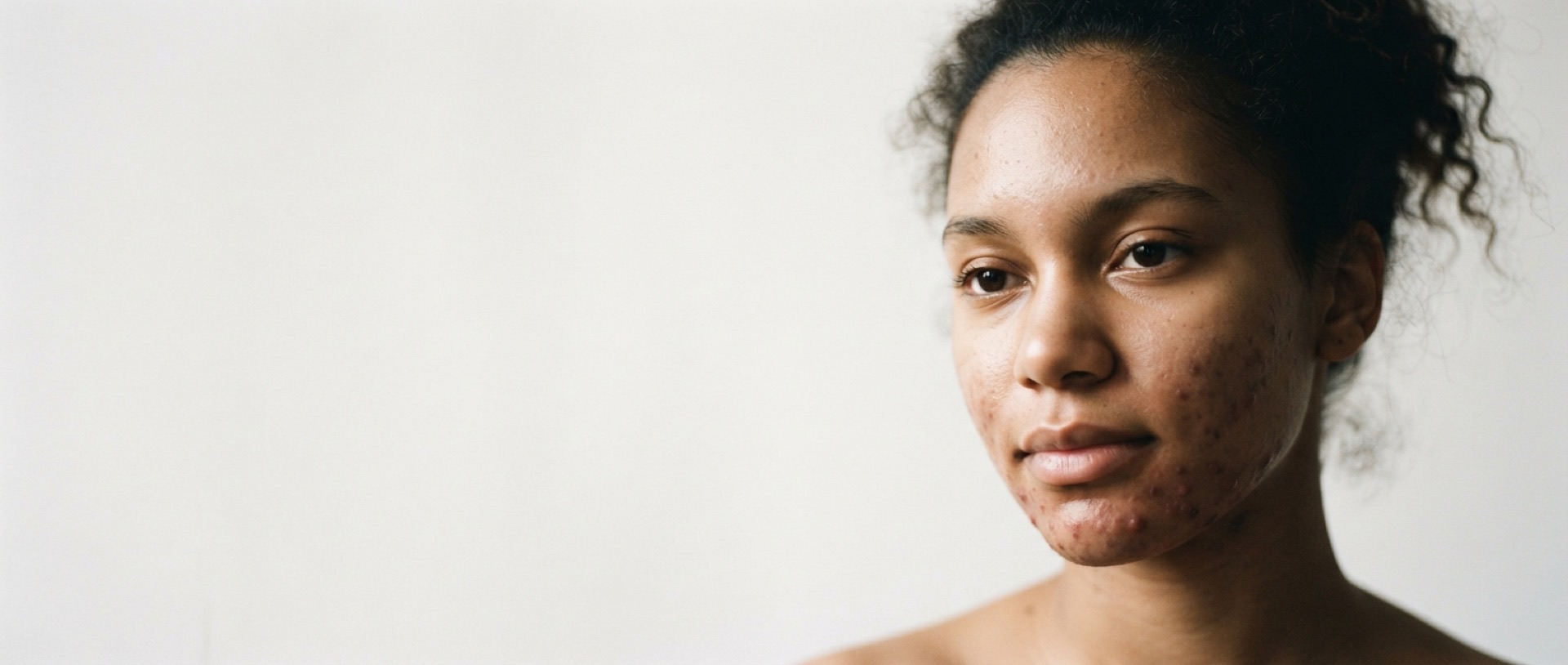
PHAs suit dullness, rough texture, uneven tone and early fine lines on skin that cannot tolerate glycolic or salicylic acid – including rosacea-prone, eczema-prone and generally reactive skin.
They are also humectants, so they hydrate as they exfoliate, and gluconolactone is an antioxidant that protects against UV-induced damage in laboratory models.
What ingredients are best paired with PHAs?
Because they are mild, PHAs layer comfortably with niacinamide, hyaluronic acid, ceramides and peptides, and they are often used to introduce exfoliation alongside a retinoid without overwhelming the barrier.
Follow with a moisturiser and daily SPF as with any exfoliant. If stronger acids have left your skin stinging or flushed, swapping to a PHA is usually the sensible step down. Take our Skin Quiz.
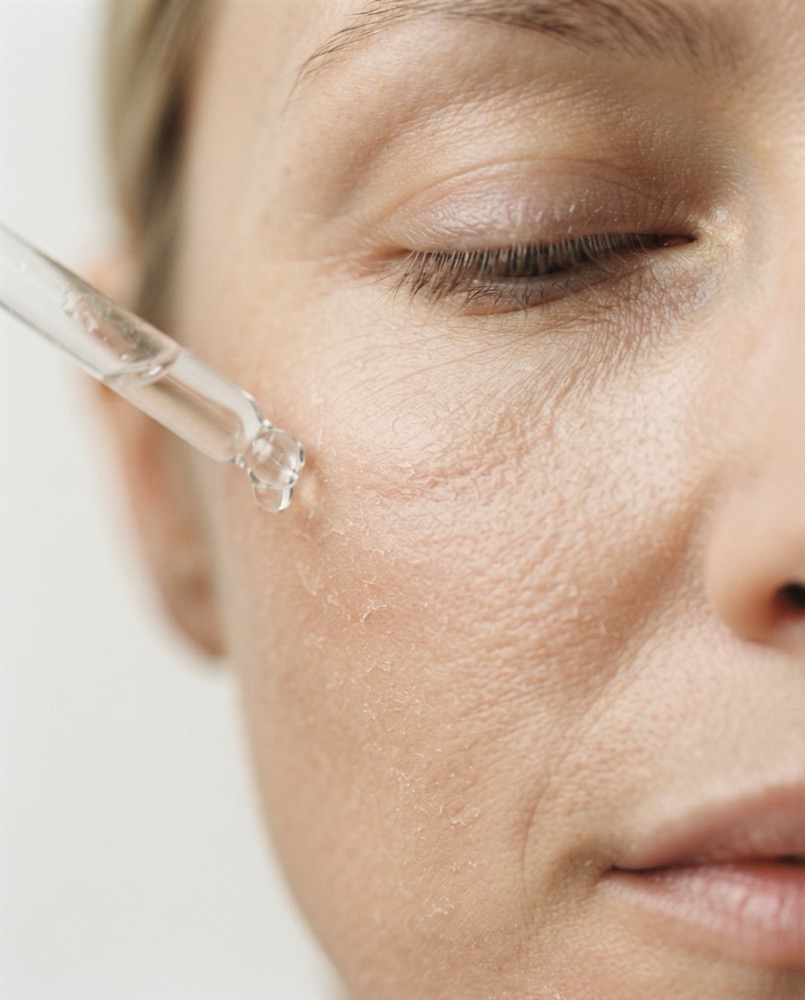
What is dry skin?
Dry skin – xerosis in clinical terms – is a skin type that lacks oil rather than water. It feels tight after cleansing, looks flaky or rough, may show fine cracking, and often reads dull because the uneven surface scatters light.
It is worth separating dry skin from dehydrated skin: dryness is a lack of lipids and is usually lifelong, while dehydration is a temporary lack of water and can happen to oily skin too. Many people have both at once.
What causes dry skin?
At the root is a compromised moisture barrier. When ceramides, cholesterol, fatty acids and natural moisturising factors run low, water evaporates out of the skin faster than it can be replaced.
Age, genetics, cold weather and low humidity, long hot showers, harsh surfactants, over-exfoliation, some medications, and conditions such as eczema and psoriasis all deplete those lipids. Consistent moisturising is the single intervention with the strongest evidence behind it.
What ingredients are best for dry skin?
Rebuild in layers. Humectants such as hyaluronic acid, glycerin, urea and panthenol draw water in; emollients such as squalane, jojoba oil and shea butter smooth the surface; and occlusives seal the whole thing in.
Ceramides, cholesterol and fatty acids are the priority, because they replace exactly what a dry barrier is missing, with niacinamide helping the skin make more of its own. Apply to damp skin, and swap foaming cleansers for cream or oil-based ones. Take our Skin Quiz to find the right combination for your skin.