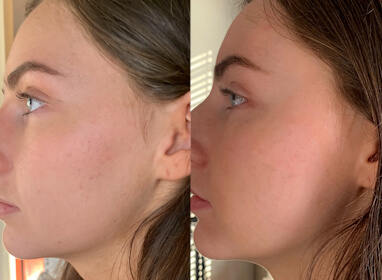
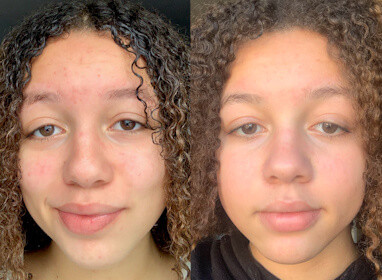
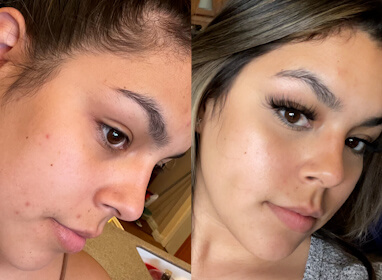
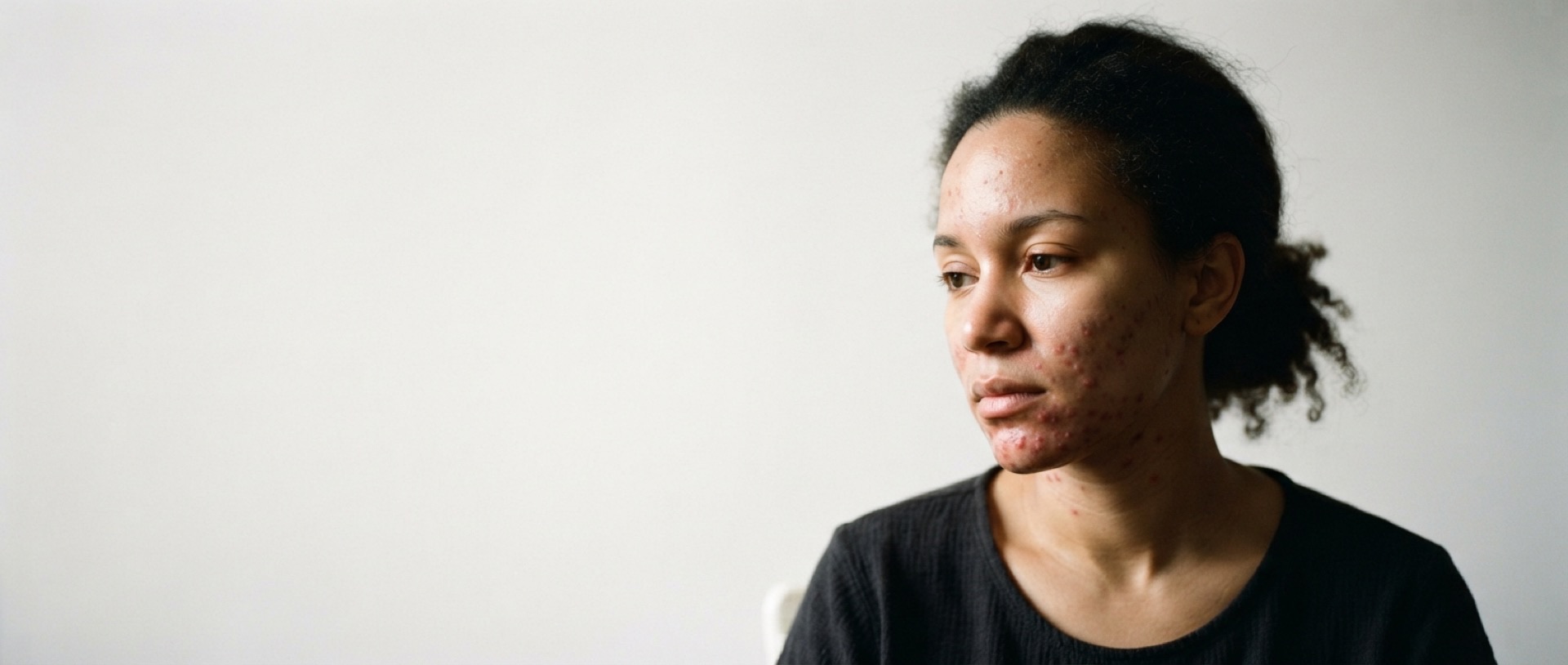
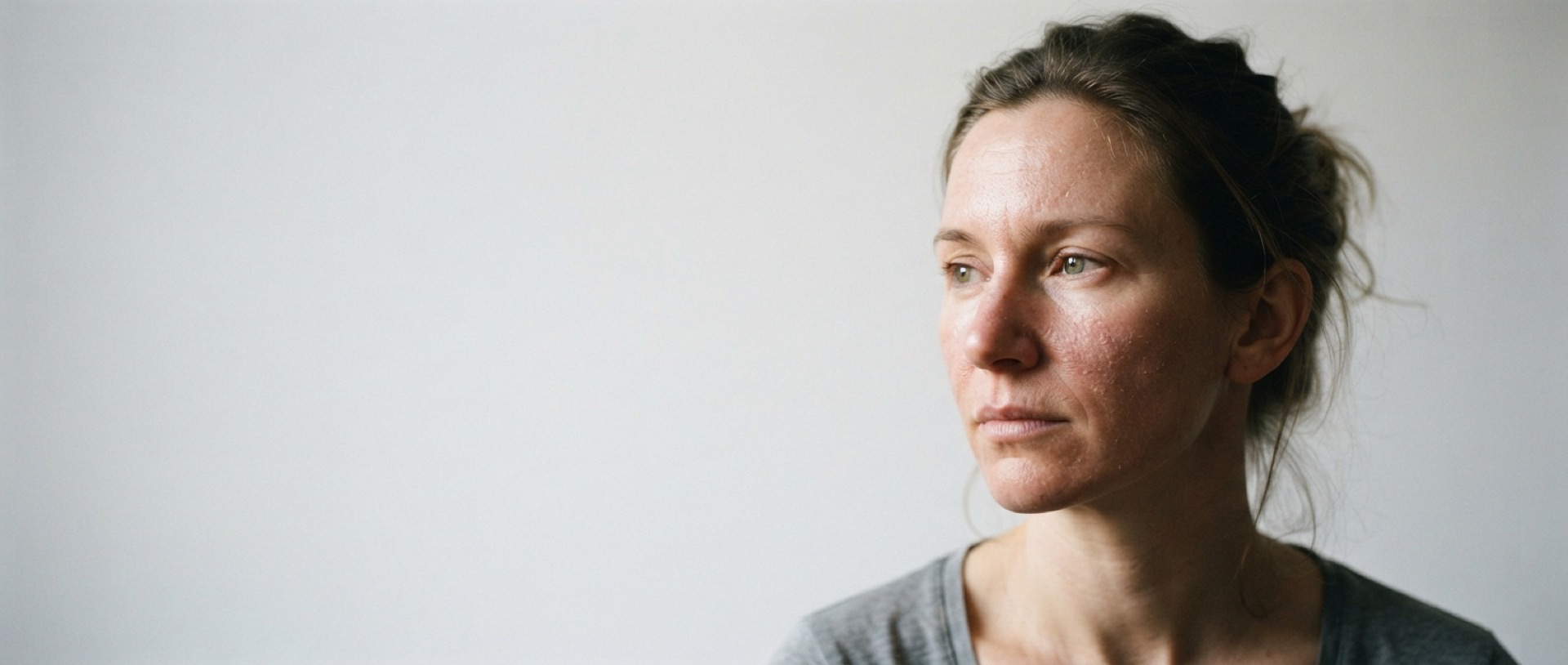
What is PHA in skincare?
PHA stands for polyhydroxy acid, the newest generation of chemical exfoliants. The two you will see on labels are gluconolactone and lactobionic acid.
Their molecules are considerably larger than AHAs, so they sit on the surface and exfoliate slowly rather than penetrating quickly. That makes them the gentlest option in the acid family – studies show anti-ageing results comparable to AHAs with noticeably less irritation.
What skin concerns do PHAs treat?
PHAs suit dullness, rough texture, uneven tone and early fine lines on skin that cannot tolerate glycolic or salicylic acid – including rosacea-prone, eczema-prone and generally reactive skin.
They are also humectants, so they hydrate as they exfoliate, and gluconolactone is an antioxidant that protects against UV-induced damage in laboratory models.
What ingredients are best paired with PHAs?
Because they are mild, PHAs layer comfortably with niacinamide, hyaluronic acid, ceramides and peptides, and they are often used to introduce exfoliation alongside a retinoid without overwhelming the barrier.
Follow with a moisturiser and daily SPF as with any exfoliant. If stronger acids have left your skin stinging or flushed, swapping to a PHA is usually the sensible step down. Take our Skin Quiz.
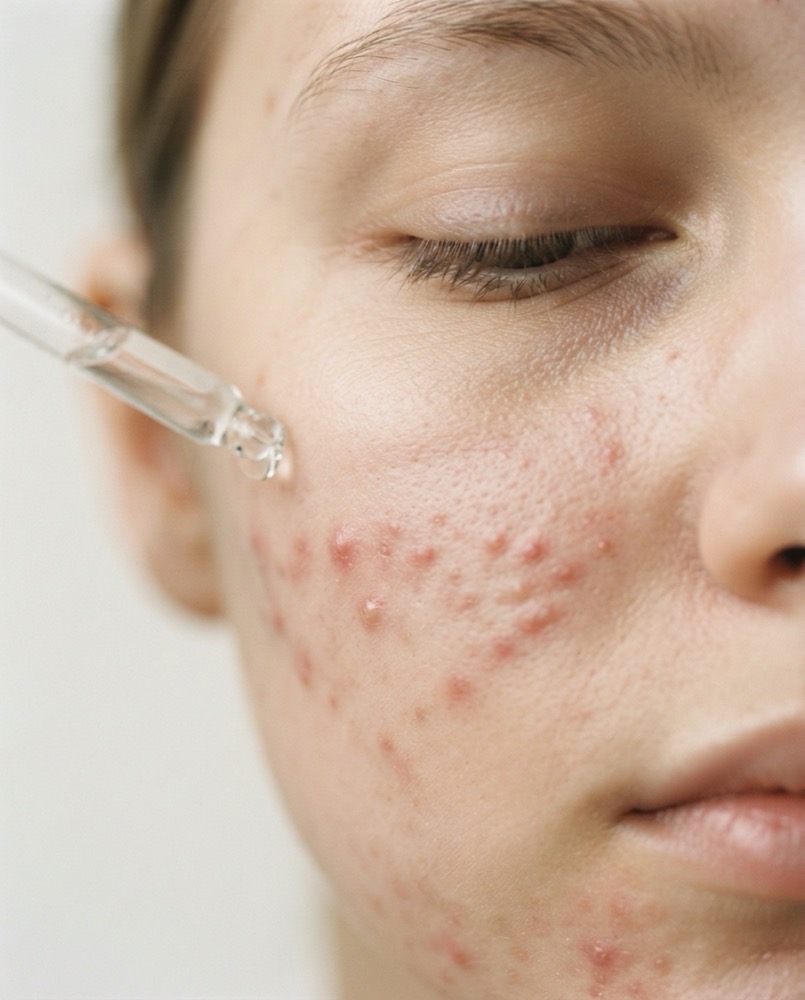
What is acne?
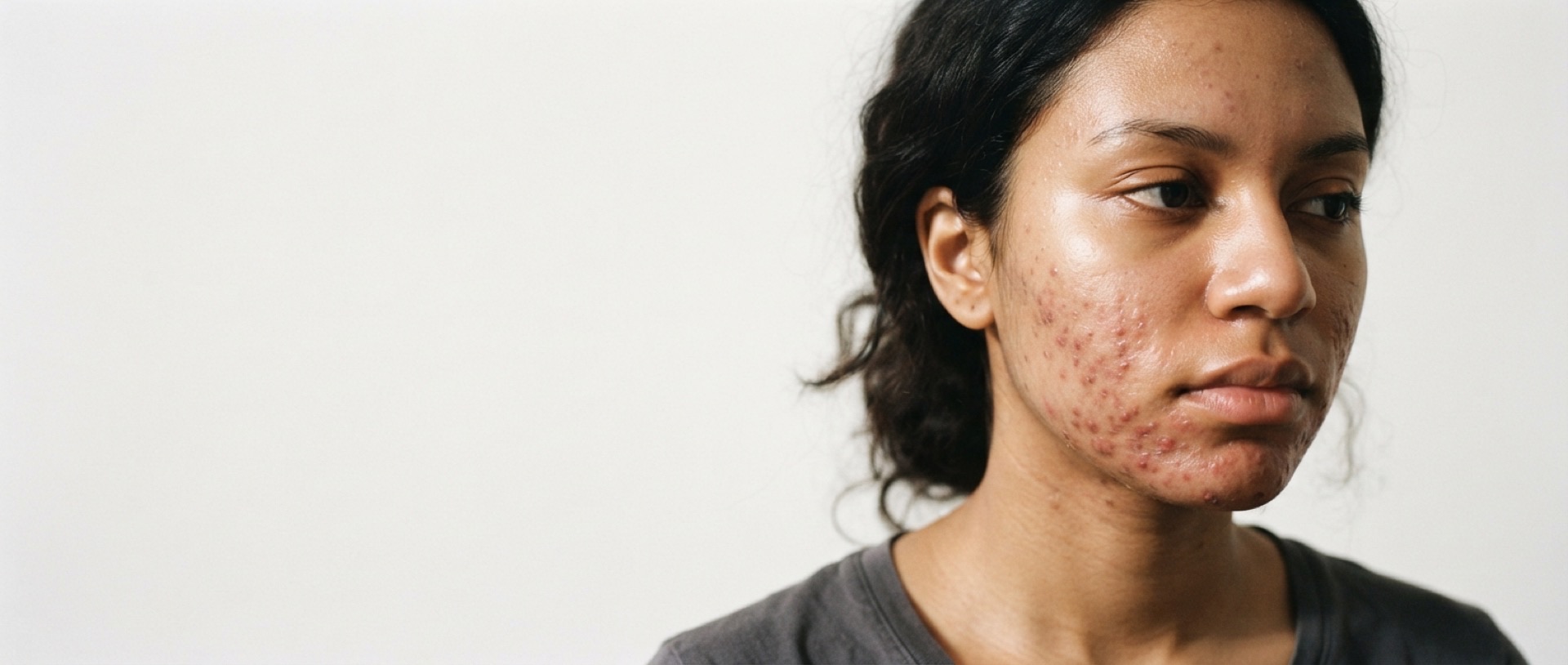
Acne vulgaris is a chronic inflammatory condition of the pilosebaceous unit – the hair follicle and its attached oil gland. It produces blackheads and whiteheads, inflamed papules and pustules, and in severe cases deep nodules and cysts.
It is the most common skin condition worldwide, and it is not a hygiene problem. Acne begins with a microcomedone forming invisibly inside the follicle, weeks before anything shows on the surface.
What causes acne?
Four mechanisms work together: excess sebum driven by androgens, abnormal shedding of cells inside the follicle, overgrowth of Cutibacterium acnes, and the inflammatory response that follows.
Genetics set the baseline. Hormonal fluctuation, stress, high-glycaemic diets, comedogenic products, friction from masks or helmets, and certain medications all push it further. Over-cleansing and picking make it visibly worse.
What ingredients are best for acne?
Salicylic acid clears inside the pore, benzoyl peroxide reduces bacterial load, and retinoids prevent the plug forming in the first place – that last one is the most valuable long-term.
Azelaic acid and niacinamide reduce inflammation and the marks left behind, and sulphur or clay help oily, congested skin. Keep the barrier intact with a gentle cleanser and a light non-comedogenic moisturiser; stripped skin produces more oil. Take our Skin Quiz.