

What is hydroxyacetophenone in skincare?
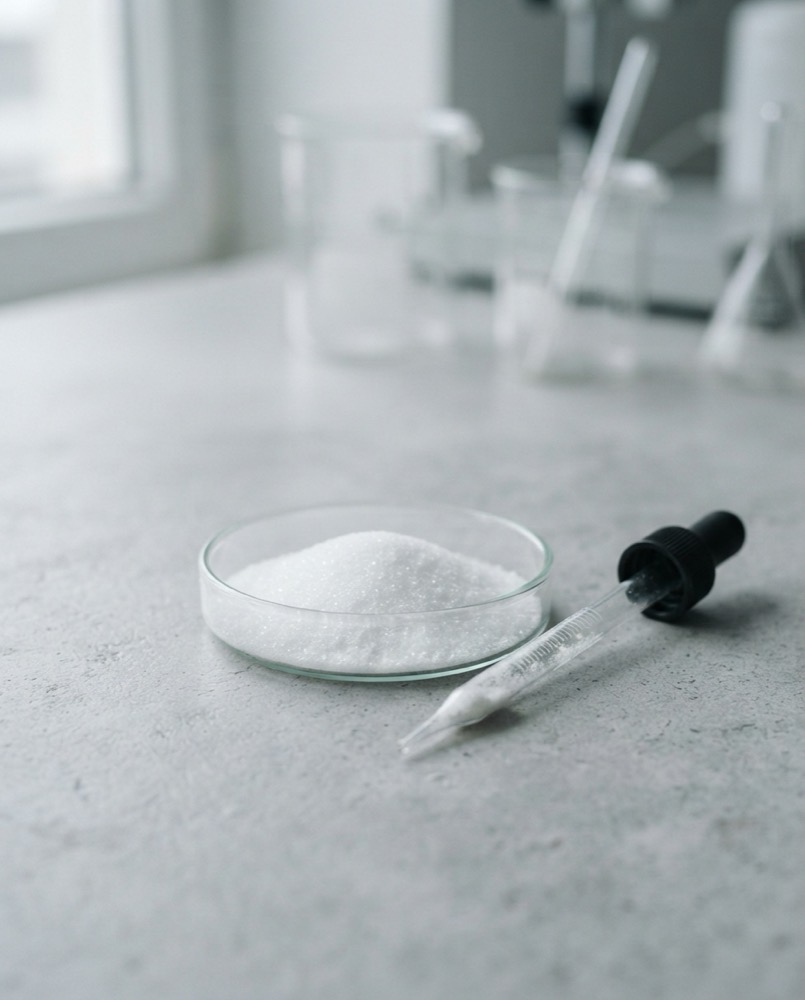
Hydroxyacetophenone – usually 4-hydroxyacetophenone on a label – is a phenolic compound used mainly as an antioxidant and a preservative booster. It has little antimicrobial power on its own, but it makes preservatives like phenoxyethanol work harder, so formulators can use less of them.
It also stabilises the formula itself, slowing the oxidation that turns oils rancid and degrades delicate actives. That combination is why it turns up in so many otherwise minimal ingredient lists.
What skin concerns does hydroxyacetophenone treat?
It is chiefly a formulation ingredient rather than a treatment, but it is not inert. As an antioxidant it contributes to the free-radical defence of a product, and it has documented soothing activity on irritated skin.
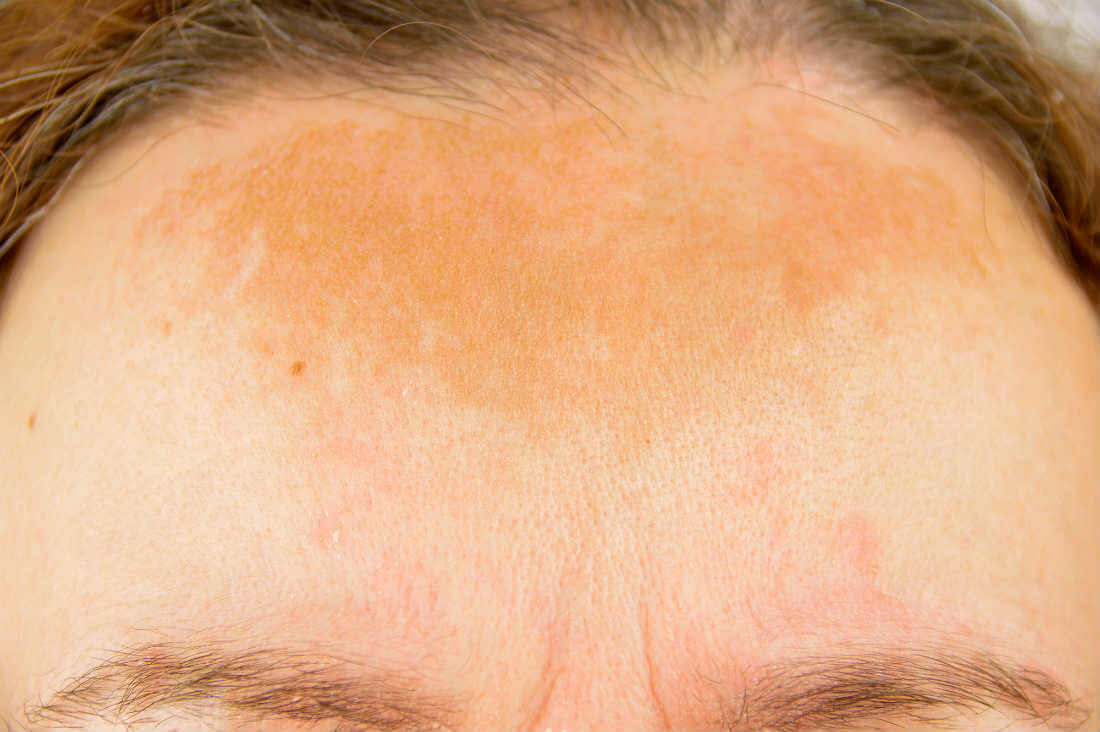
More interestingly, laboratory work shows 4-hydroxyacetophenone acts as an antipigmentation agent by inhibiting tyrosinase, the key enzyme in melanin production – a secondary benefit for uneven tone, though not a reason to buy a product on its own.
What ingredients are best paired with hydroxyacetophenone?
It is almost always formulated with phenoxyethanol, caprylyl glycol or ethylhexylglycerin, whose preservative effect it amplifies.
It is well tolerated by most people, though allergic contact dermatitis has been reported in isolated cases, including a photo-aggravated reaction to it in a sunscreen. If you get unexplained reactions to products that share few other ingredients, it is worth noting as a candidate for patch testing. Take our Skin Quiz.
What is adult acne?
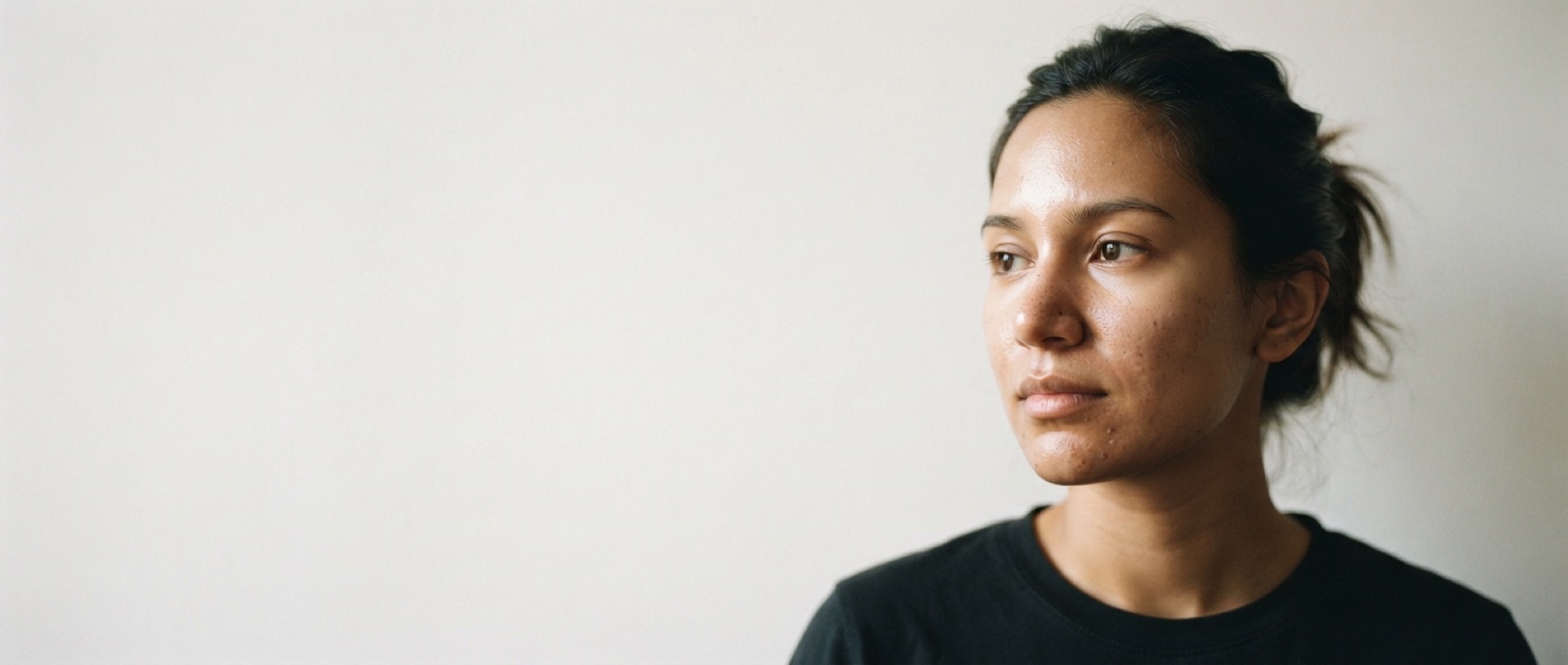
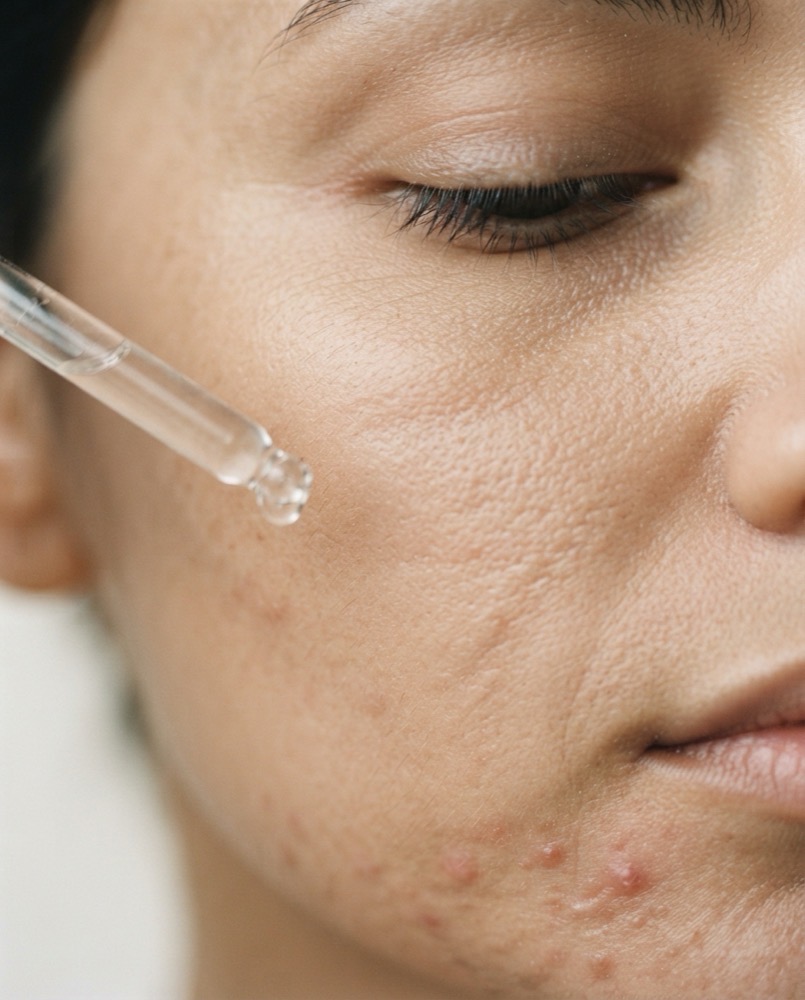
Adult acne is acne that persists past the teenage years or appears for the first time in your twenties, thirties or later. It affects a substantial share of adults, and disproportionately women.
It tends to look different from teenage acne: fewer widespread blackheads, more deep tender lesions along the jawline, chin and neck, often on skin that is simultaneously dry, sensitive or already showing early signs of ageing.
What causes adult acne?
Hormonal fluctuation is the leading driver – menstrual cycles, coming off or starting contraception, pregnancy, perimenopause and conditions such as PCOS all shift androgen activity and sebum output.
Stress and cortisol, sleep debt, high-glycaemic diets, comedogenic makeup and skincare, friction, and certain medications compound it. Adult skin also heals more slowly, so marks linger longer than they did at nineteen.
What ingredients are best for adult acne?
The challenge is treating acne without wrecking a barrier that is also ageing. Retinoids do double duty here, clearing follicles and stimulating collagen at the same time.
Azelaic acid is excellent for adult skin because it handles lesions, redness and post-acne marks together. Add salicylic acid used sparingly, niacinamide to regulate oil and calm inflammation, and ceramides plus hyaluronic acid to keep hydration up. Skip harsh benzoyl peroxide concentrations and scrubs. Take our Skin Quiz.