

What is hydroxyacetophenone in skincare?
Hydroxyacetophenone – usually 4-hydroxyacetophenone on a label – is a phenolic compound used mainly as an antioxidant and a preservative booster. It has little antimicrobial power on its own, but it makes preservatives like phenoxyethanol work harder, so formulators can use less of them.
It also stabilises the formula itself, slowing the oxidation that turns oils rancid and degrades delicate actives. That combination is why it turns up in so many otherwise minimal ingredient lists.
What skin concerns does hydroxyacetophenone treat?
It is chiefly a formulation ingredient rather than a treatment, but it is not inert. As an antioxidant it contributes to the free-radical defence of a product, and it has documented soothing activity on irritated skin.
More interestingly, laboratory work shows 4-hydroxyacetophenone acts as an antipigmentation agent by inhibiting tyrosinase, the key enzyme in melanin production – a secondary benefit for uneven tone, though not a reason to buy a product on its own.
What ingredients are best paired with hydroxyacetophenone?
It is almost always formulated with phenoxyethanol, caprylyl glycol or ethylhexylglycerin, whose preservative effect it amplifies.
It is well tolerated by most people, though allergic contact dermatitis has been reported in isolated cases, including a photo-aggravated reaction to it in a sunscreen. If you get unexplained reactions to products that share few other ingredients, it is worth noting as a candidate for patch testing. Take our Skin Quiz.
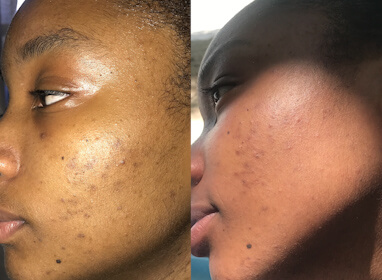
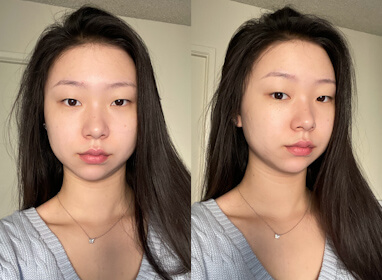
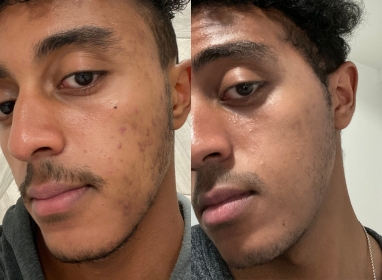
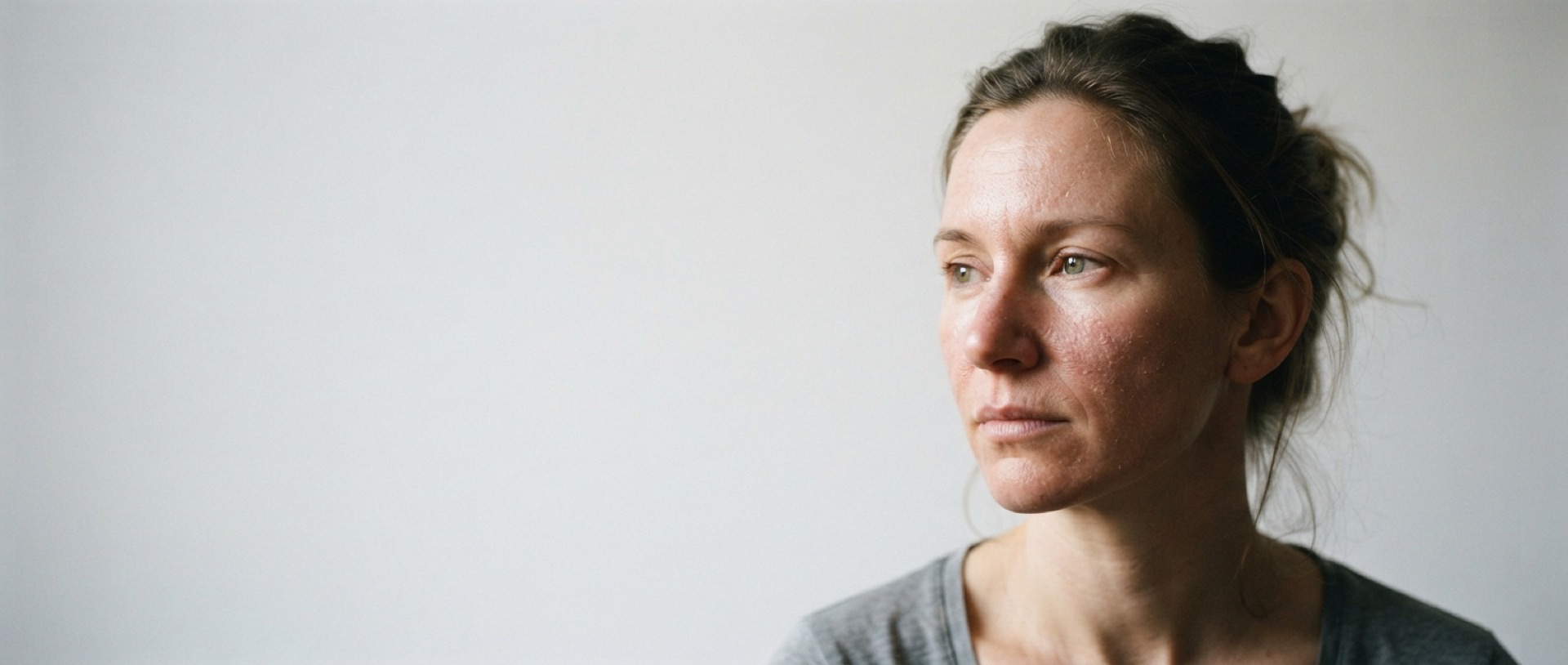
What are acne scars?
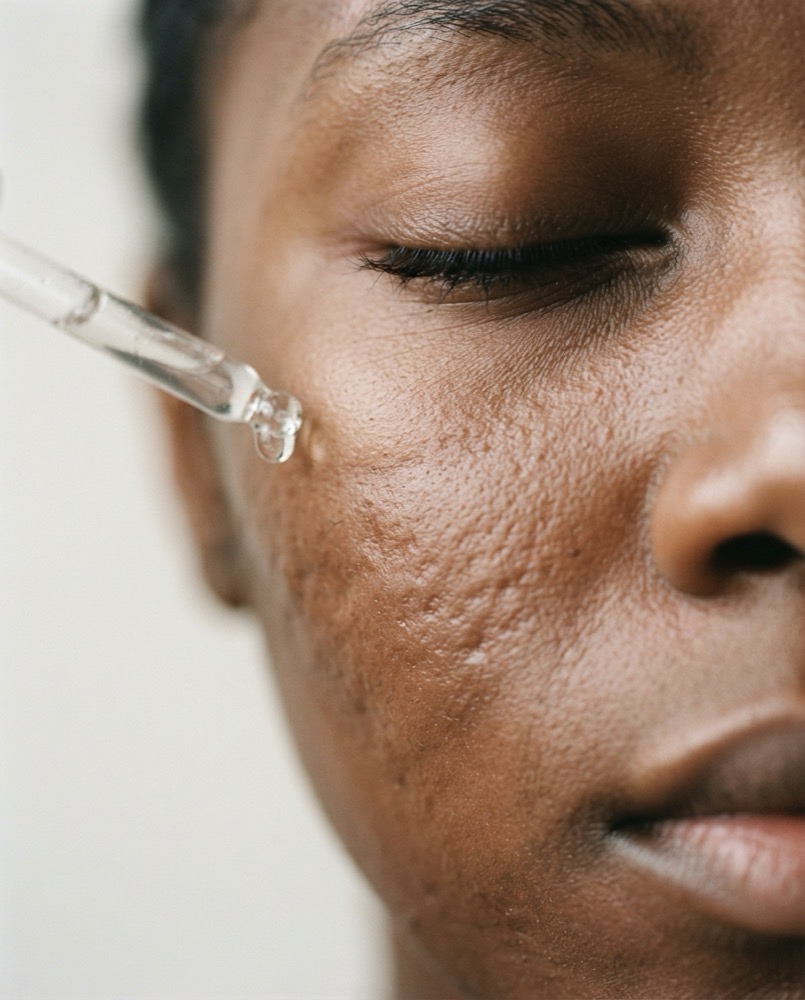
Acne scars are permanent changes in skin texture left behind after inflammatory acne damages the dermis. They fall into two families: atrophic scars, which sit below the surface as ice-pick, boxcar or rolling depressions, and hypertrophic or keloid scars, which sit raised above it.
What most people call scarring is often post-inflammatory hyperpigmentation or erythema – flat brown or red marks with no texture change. Those fade on their own; true atrophic scars do not.
What causes acne scars?
Scarring happens when inflammation reaches deep enough to destroy collagen and the repair process either lays down too little (atrophic) or too much (hypertrophic). Deep nodular and cystic lesions carry the highest risk.
Delaying treatment, picking or squeezing, and prolonged inflammation all increase the odds. Genetics play a large part in who scars and how, which is why two people with identical acne can heal very differently.
What ingredients are best for acne scars?
For flat marks, ingredients that speed turnover and calm pigment work well: retinoids, vitamin C, niacinamide, azelaic acid, alpha arbutin and AHAs, with daily SPF to stop marks darkening again.
For true textural scarring, topicals can soften but not erase – retinoids and peptides help remodel collagen over months, while in-clinic options like microneedling, resurfacing and subcision do the heavy lifting. Preventing new inflammation is the highest-value step. Take our Skin Quiz.