

What is DHA in skincare?
DHA in skincare means dihydroxyacetone, a simple three-carbon sugar produced by fermenting glycerin. It is the active ingredient in essentially every self-tanner on the market, and has been used that way since the 1960s.
It should not be confused with docosahexaenoic acid, the omega-3 fatty acid that shares the abbreviation. Reviews of topical dihydroxyacetone cover its chemistry, performance and safety profile in sunless tanning products.
What skin concerns does DHA treat?
DHA does not treat a skin concern so much as change colour. It reacts with amino acids in the outermost dead skin cells through the Maillard reaction – the same browning chemistry as toast – producing pigments called melanoidins.
Because only surface cells are affected, the colour develops over two to four hours and fades in five to seven days as those cells shed. Crucially it offers almost no UV protection, so sunscreen is still required. Some research notes free-radical generation in treated skin, another reason to wear SPF over it.
What ingredients are best paired with DHA?
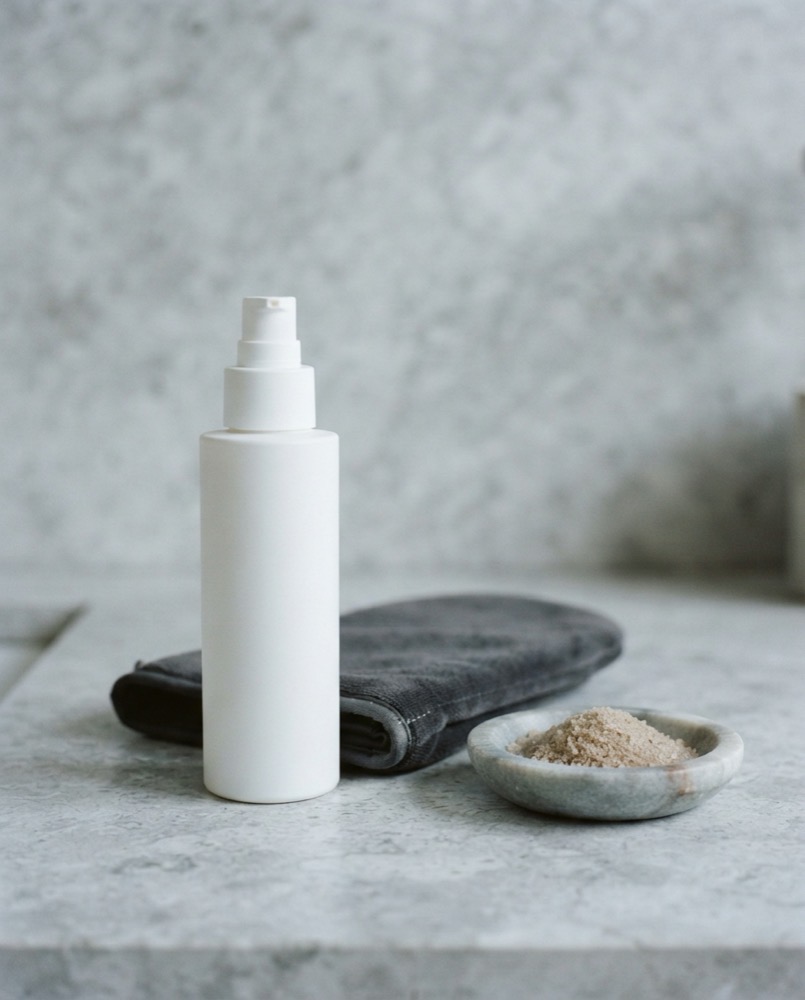
Exfoliate and moisturise dry areas – knees, elbows, ankles – before applying, since DHA grabs harder where skin is thicker and gives a patchy result otherwise.
Antioxidants such as vitamin C and E are sensible alongside it. Avoid applying it immediately after AHAs or retinoids, which speed up cell turnover and shorten the tan, and keep it away from freshly waxed or shaved skin. Take our Skin Quiz.
What is redness?
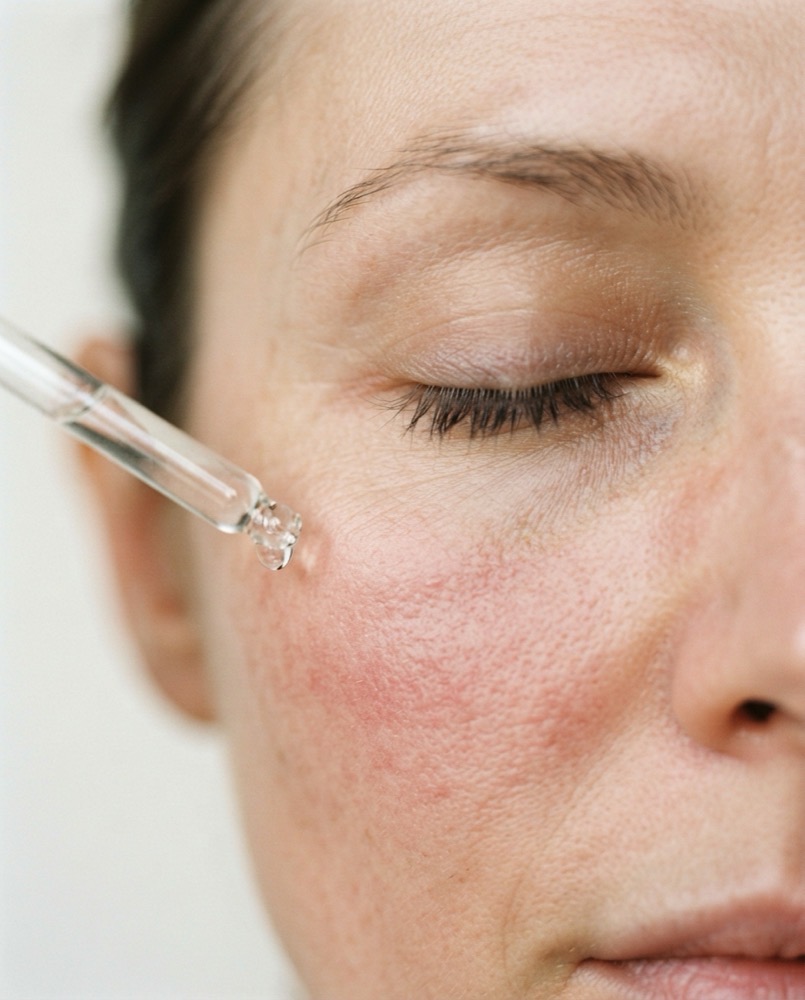
Facial redness is visible dilation of the small blood vessels near the skin’s surface. It ranges from transient flushing that comes and goes, to persistent erythema across the cheeks and nose, to fixed thread veins that stay visible all the time.
Redness is a symptom rather than a diagnosis. It can signal rosacea, irritation, an over-exfoliated barrier, eczema, an allergic reaction or simply reactive skin that responds strongly to heat and stress.
What causes redness?
Most persistent redness traces back to a compromised barrier and heightened nerve sensitivity. When the barrier thins, irritants penetrate more easily and the skin mounts an inflammatory response to things it would normally tolerate.
Common aggravators: over-exfoliation, high-strength actives used too often, fragrance and essential oils, hot water, alcohol, spicy food, sudden temperature change, sun exposure and stress. Trying to treat redness with more actives usually deepens it.
What ingredients are best for redness?
Prioritise calming and rebuilding over correcting. Niacinamide, azelaic acid, centella asiatica, green tea extract, liquorice root, allantoin, bisabolol and colloidal oatmeal all reduce visible inflammation.
Then repair the barrier with ceramides, cholesterol, fatty acids, glycerin, panthenol and squalane, and protect it with a gentle mineral SPF. Strip the routine back to cleanser, moisturiser and sunscreen for a few weeks before reintroducing anything active. Take our Skin Quiz.