What is DHA in skincare?
DHA in skincare means dihydroxyacetone, a simple three-carbon sugar produced by fermenting glycerin. It is the active ingredient in essentially every self-tanner on the market, and has been used that way since the 1960s.
It should not be confused with docosahexaenoic acid, the omega-3 fatty acid that shares the abbreviation. Reviews of topical dihydroxyacetone cover its chemistry, performance and safety profile in sunless tanning products.
What skin concerns does DHA treat?
DHA does not treat a skin concern so much as change colour. It reacts with amino acids in the outermost dead skin cells through the Maillard reaction – the same browning chemistry as toast – producing pigments called melanoidins.
Because only surface cells are affected, the colour develops over two to four hours and fades in five to seven days as those cells shed. Crucially it offers almost no UV protection, so sunscreen is still required. Some research notes free-radical generation in treated skin, another reason to wear SPF over it.
What ingredients are best paired with DHA?
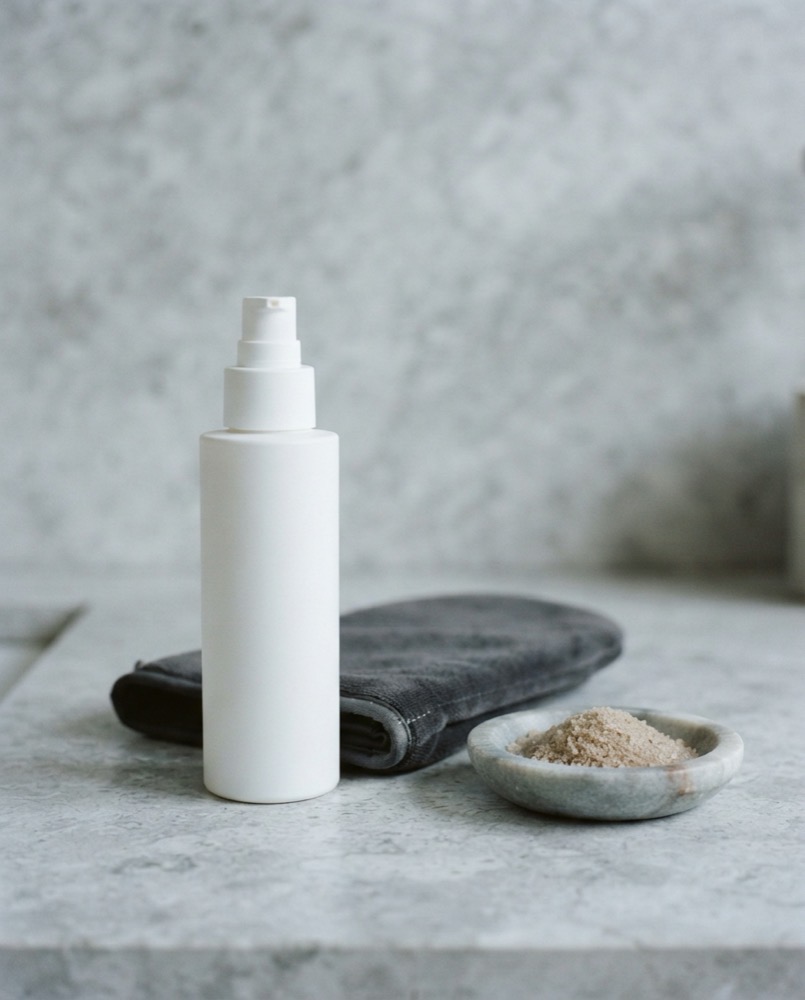
Exfoliate and moisturise dry areas – knees, elbows, ankles – before applying, since DHA grabs harder where skin is thicker and gives a patchy result otherwise.
Antioxidants such as vitamin C and E are sensible alongside it. Avoid applying it immediately after AHAs or retinoids, which speed up cell turnover and shorten the tan, and keep it away from freshly waxed or shaved skin. Take our Skin Quiz.
What is dullness?
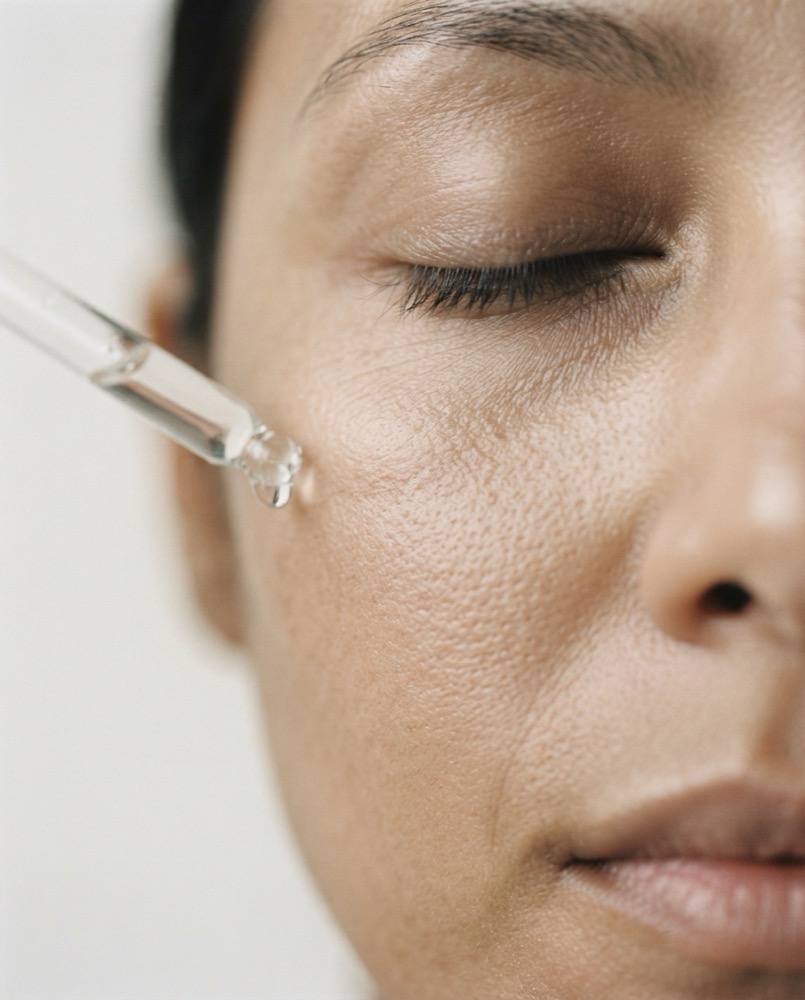
Healthy skin reflects light evenly, which is what reads as bright and glowing. Dull skin does the opposite – it looks flat, ashy, grey or sallow, and makeup tends to sit on top of it rather than blend in.
Dullness is not a condition in itself but a visible symptom: a build-up of dead cells, dehydration and reduced microcirculation that together stop light bouncing cleanly off the skin’s surface.
What causes dull skin?
Dead skin cells that do not shed naturally accumulate on the surface and scatter light unevenly. Dehydration flattens those cells so they no longer sit plump against one another, and overly dry skin can damage the follicles and slow the production of collagen and sebum – all of which make the complexion look duller or ashier.
Lifestyle and environment do the rest. Sun exposure, pollution, smoking, alcohol, broken sleep and stress all accelerate free-radical damage, while cell turnover naturally slows with age, so skin loses the reflectivity it had in your twenties.
What ingredients are best for dullness?
Brightening dull skin comes down to three things: gentle exfoliation, consistent hydration and antioxidant protection. Vitamin C, alpha-hydroxy acids such as glycolic and lactic acid, salicylic acid, retinol and vitamin A, niacinamide, green tea extract, coenzyme Q10 and rosehip oil all help resurface, even out tone and defend against free radicals.
Hyaluronic acid and hydrolysed collagen plump the skin so it reflects more light, and daily broad-spectrum sunscreen prevents the UV damage that dulls the complexion in the first place. Take our Skin Quiz to find the exact combination your skin needs.