What is CBD in skincare?
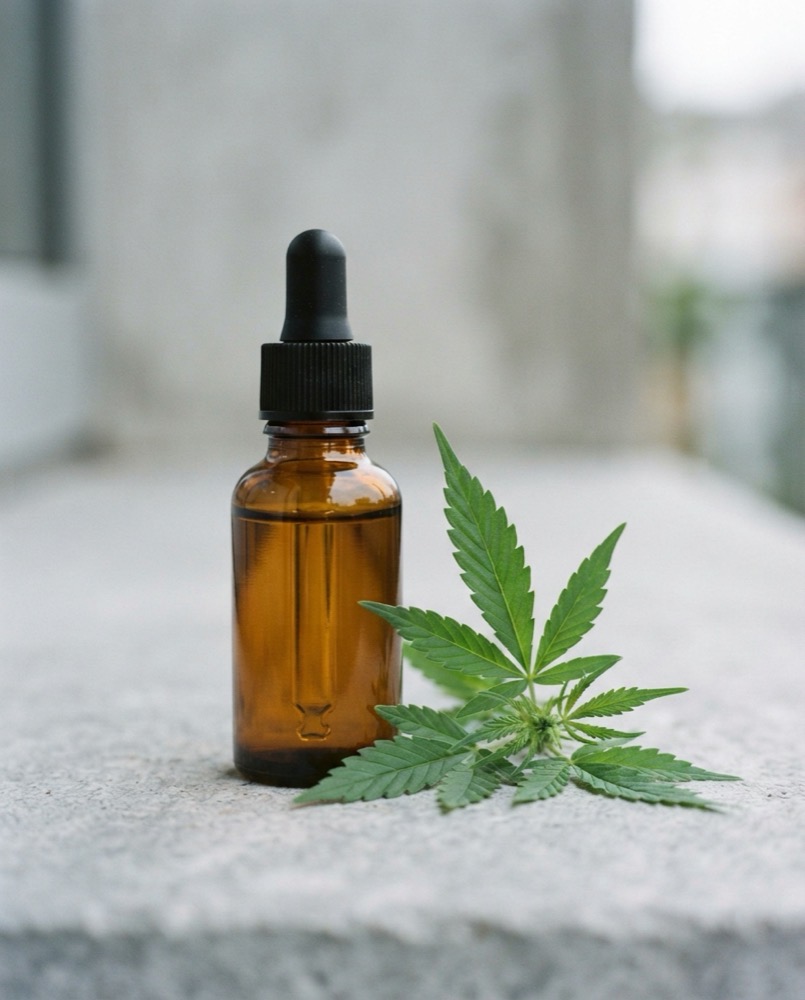
CBD is cannabidiol, one of over a hundred cannabinoids in Cannabis sativa. It is extracted from the flowers and leaves, and unlike THC it is non-psychoactive. It is not the same as hemp seed oil, which comes from the seeds and contains essentially no cannabinoids – a distinction many products blur.
Skin has its own endocannabinoid system, with receptors on keratinocytes, sebocytes and immune cells, which gives topical CBD a plausible mechanism rather than just a marketing story.
What skin concerns does CBD treat?
Its strongest case is inflammation. Research on the anti-inflammatory effects of CBD on acne points to suppression of sebum production and of the inflammatory cascade behind breakouts – a combination few ingredients manage.
A literature review of CBD in cosmetic dermatology also covers eczema, psoriasis, redness and signs of ageing, with antioxidant activity alongside. The evidence is promising but still thin on large human trials, and product quality varies enormously.
What ingredients are best paired with CBD?
It pairs naturally with other calming ingredients – niacinamide, centella asiatica, green tea, colloidal oatmeal – and with ceramides and squalane for barrier repair.
Check the label for a stated CBD content in milligrams and third-party testing; products listing only hemp seed oil contain no CBD. It is generally well tolerated and can sit alongside retinoids and acids as the soothing part of a routine. Take our Skin Quiz.
What is dullness?
Healthy skin reflects light evenly, which is what reads as bright and glowing. Dull skin does the opposite – it looks flat, ashy, grey or sallow, and makeup tends to sit on top of it rather than blend in.
Dullness is not a condition in itself but a visible symptom: a build-up of dead cells, dehydration and reduced microcirculation that together stop light bouncing cleanly off the skin’s surface.
What causes dull skin?
Dead skin cells that do not shed naturally accumulate on the surface and scatter light unevenly. Dehydration flattens those cells so they no longer sit plump against one another, and overly dry skin can damage the follicles and slow the production of collagen and sebum – all of which make the complexion look duller or ashier.
Lifestyle and environment do the rest. Sun exposure, pollution, smoking, alcohol, broken sleep and stress all accelerate free-radical damage, while cell turnover naturally slows with age, so skin loses the reflectivity it had in your twenties.
What ingredients are best for dullness?
Brightening dull skin comes down to three things: gentle exfoliation, consistent hydration and antioxidant protection. Vitamin C, alpha-hydroxy acids such as glycolic and lactic acid, salicylic acid, retinol and vitamin A, niacinamide, green tea extract, coenzyme Q10 and rosehip oil all help resurface, even out tone and defend against free radicals.
Hyaluronic acid and hydrolysed collagen plump the skin so it reflects more light, and daily broad-spectrum sunscreen prevents the UV damage that dulls the complexion in the first place. Take our Skin Quiz to find the exact combination your skin needs.