

What is yogurt in skincare?
Yogurt is milk fermented by live bacterial cultures, principally Lactobacillus and Streptococcus species. Applied to skin it brings three things: lactic acid produced during fermentation, milk fats and proteins, and the bacterial cultures themselves.
The lactic acid is the part with the clearest mechanism – it is a genuine alpha-hydroxy acid, though at concentrations far below a formulated exfoliant. The cultures connect it to the growing field of probiotics in dermatology.
What skin concerns does yogurt treat?
As a mask it exfoliates very gently, hydrates, and soothes redness and irritation – useful after sun exposure or on skin that cannot tolerate active products. The fats condition dry skin.
The probiotic angle is genuinely promising but still early: research on probiotic lactic acid bacteria and skin health points to effects on the microbiome, barrier function and inflammation, though most evidence comes from formulated products rather than a tub from the fridge.
What ingredients are best paired with yogurt?
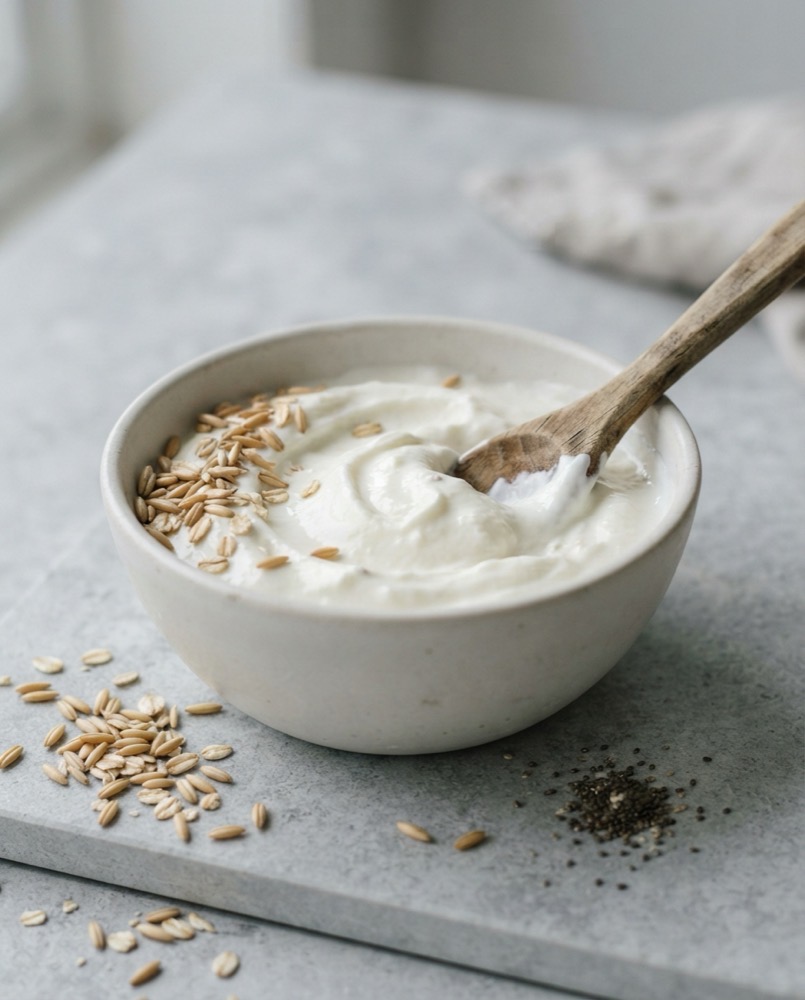
In a DIY mask it is traditionally combined with honey, oatmeal or turmeric, all of which reinforce the soothing effect. Use plain, unsweetened yogurt – sugar and fruit add nothing and can irritate.
For reliable results, formulated lactic acid delivers the exfoliation at a known strength, and niacinamide with ceramides handles barrier and tone. Anyone with a dairy allergy should avoid it, and it should be rinsed rather than left on. Take our Skin Quiz.
What are wrinkles?
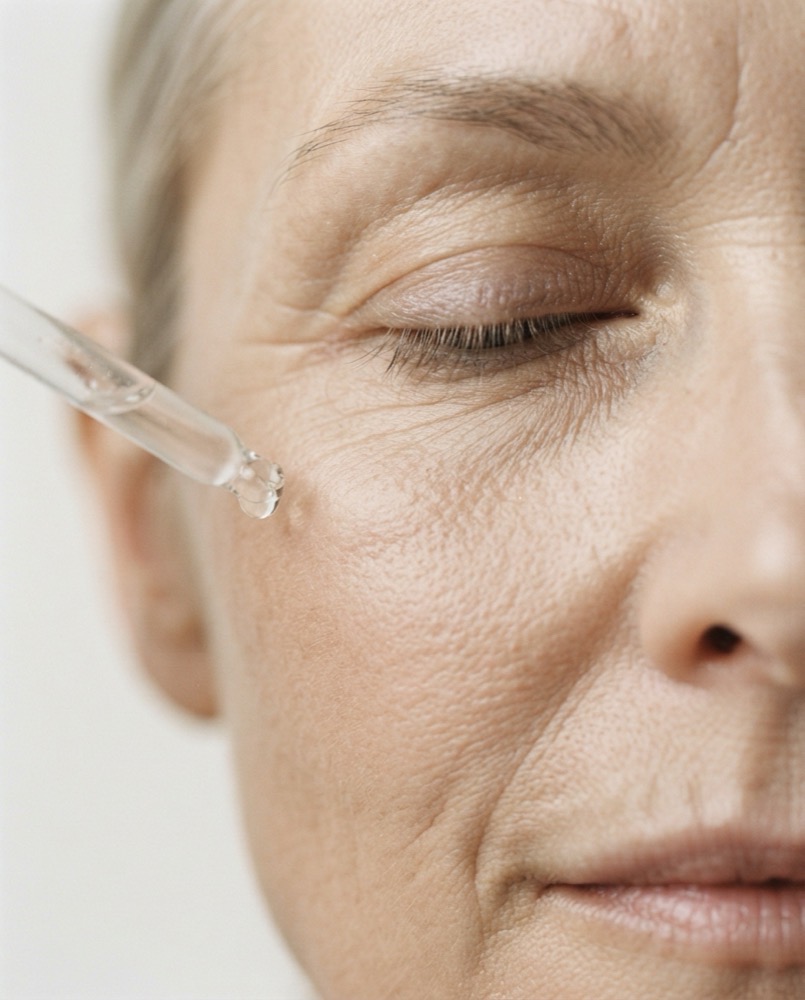
Wrinkles are permanent folds and creases in the skin. They begin as dynamic lines that appear only with expression, then set into static lines visible at rest once the underlying support structure can no longer push them back out.
They form first where skin is thin and movement is constant: crow’s feet, forehead lines, frown lines between the brows, and nasolabial folds. Deeper folds also reflect loss of fat and bone volume, not just skin change.
What causes wrinkles?
Internally, collagen and elastin production declines steadily from the mid-twenties and the dermal matrix thins, so skin loses the scaffolding that keeps it smooth.
Externally, ultraviolet radiation does most of the damage – it activates enzymes that break down collagen and degrades elastic fibres. Smoking, pollution, sugar-driven glycation, poor sleep, sleeping position and repeated facial movement all accelerate the process.
What ingredients are best for wrinkles?
Retinoids have the deepest evidence base for stimulating collagen and measurably reducing wrinkle depth over six to twelve months. Vitamin C supports synthesis while neutralising the free radicals that break it down, and peptides signal repair.
Round it out with hyaluronic acid and ceramides for hydration and barrier strength, niacinamide for elasticity and tone, and AHAs for surface renewal. Daily broad-spectrum SPF is the most effective anti-wrinkle product there is. Take our Skin Quiz.