

What is yogurt in skincare?
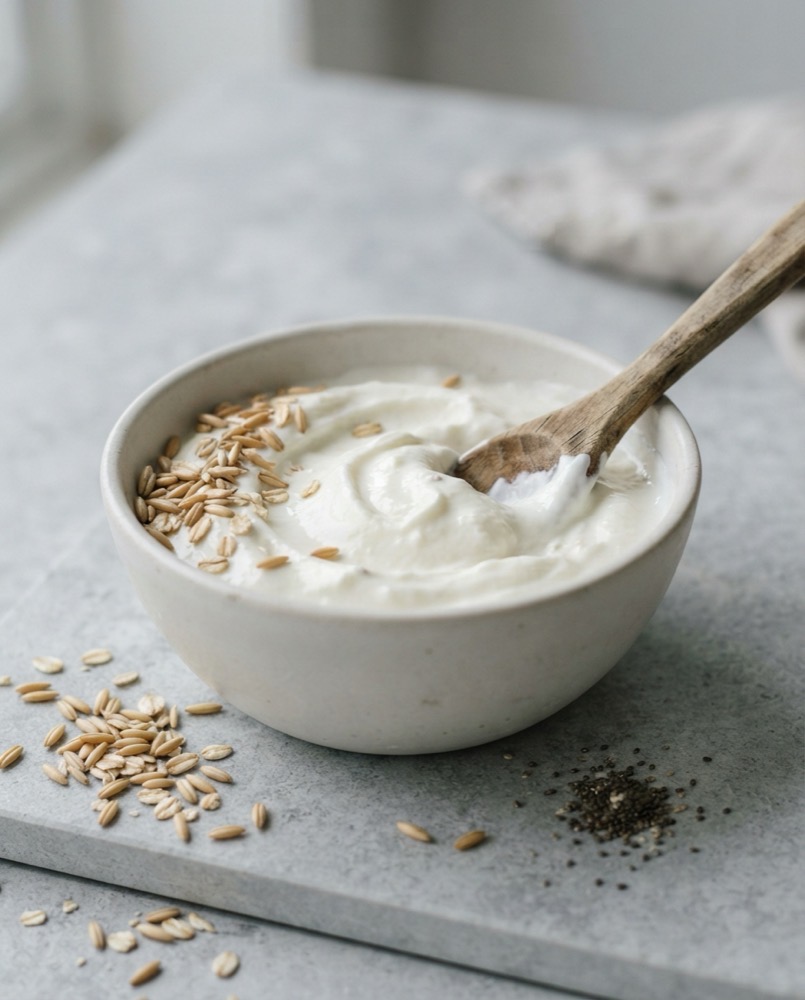
Yogurt is milk fermented by live bacterial cultures, principally Lactobacillus and Streptococcus species. Applied to skin it brings three things: lactic acid produced during fermentation, milk fats and proteins, and the bacterial cultures themselves.
The lactic acid is the part with the clearest mechanism – it is a genuine alpha-hydroxy acid, though at concentrations far below a formulated exfoliant. The cultures connect it to the growing field of probiotics in dermatology.
What skin concerns does yogurt treat?
As a mask it exfoliates very gently, hydrates, and soothes redness and irritation – useful after sun exposure or on skin that cannot tolerate active products. The fats condition dry skin.
The probiotic angle is genuinely promising but still early: research on probiotic lactic acid bacteria and skin health points to effects on the microbiome, barrier function and inflammation, though most evidence comes from formulated products rather than a tub from the fridge.
What ingredients are best paired with yogurt?
In a DIY mask it is traditionally combined with honey, oatmeal or turmeric, all of which reinforce the soothing effect. Use plain, unsweetened yogurt – sugar and fruit add nothing and can irritate.
For reliable results, formulated lactic acid delivers the exfoliation at a known strength, and niacinamide with ceramides handles barrier and tone. Anyone with a dairy allergy should avoid it, and it should be rinsed rather than left on. Take our Skin Quiz.
What is dry skin?
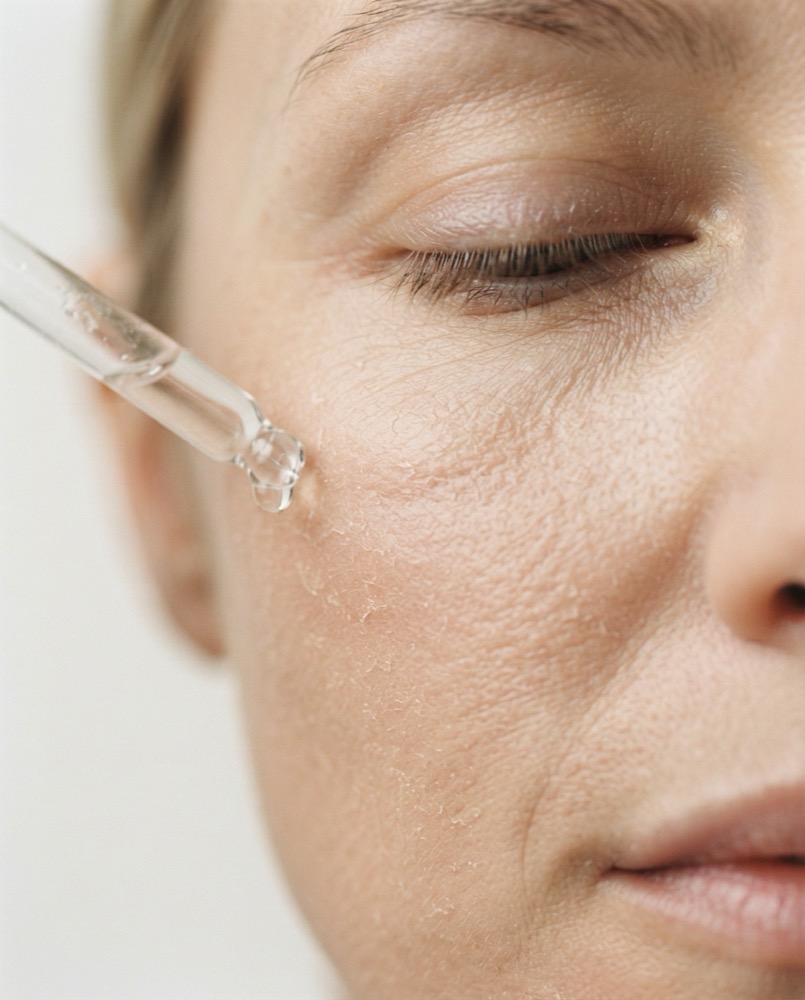
Dry skin – xerosis in clinical terms – is a skin type that lacks oil rather than water. It feels tight after cleansing, looks flaky or rough, may show fine cracking, and often reads dull because the uneven surface scatters light.
It is worth separating dry skin from dehydrated skin: dryness is a lack of lipids and is usually lifelong, while dehydration is a temporary lack of water and can happen to oily skin too. Many people have both at once.
What causes dry skin?
At the root is a compromised moisture barrier. When ceramides, cholesterol, fatty acids and natural moisturising factors run low, water evaporates out of the skin faster than it can be replaced.
Age, genetics, cold weather and low humidity, long hot showers, harsh surfactants, over-exfoliation, some medications, and conditions such as eczema and psoriasis all deplete those lipids. Consistent moisturising is the single intervention with the strongest evidence behind it.
What ingredients are best for dry skin?
Rebuild in layers. Humectants such as hyaluronic acid, glycerin, urea and panthenol draw water in; emollients such as squalane, jojoba oil and shea butter smooth the surface; and occlusives seal the whole thing in.
Ceramides, cholesterol and fatty acids are the priority, because they replace exactly what a dry barrier is missing, with niacinamide helping the skin make more of its own. Apply to damp skin, and swap foaming cleansers for cream or oil-based ones. Take our Skin Quiz to find the right combination for your skin.