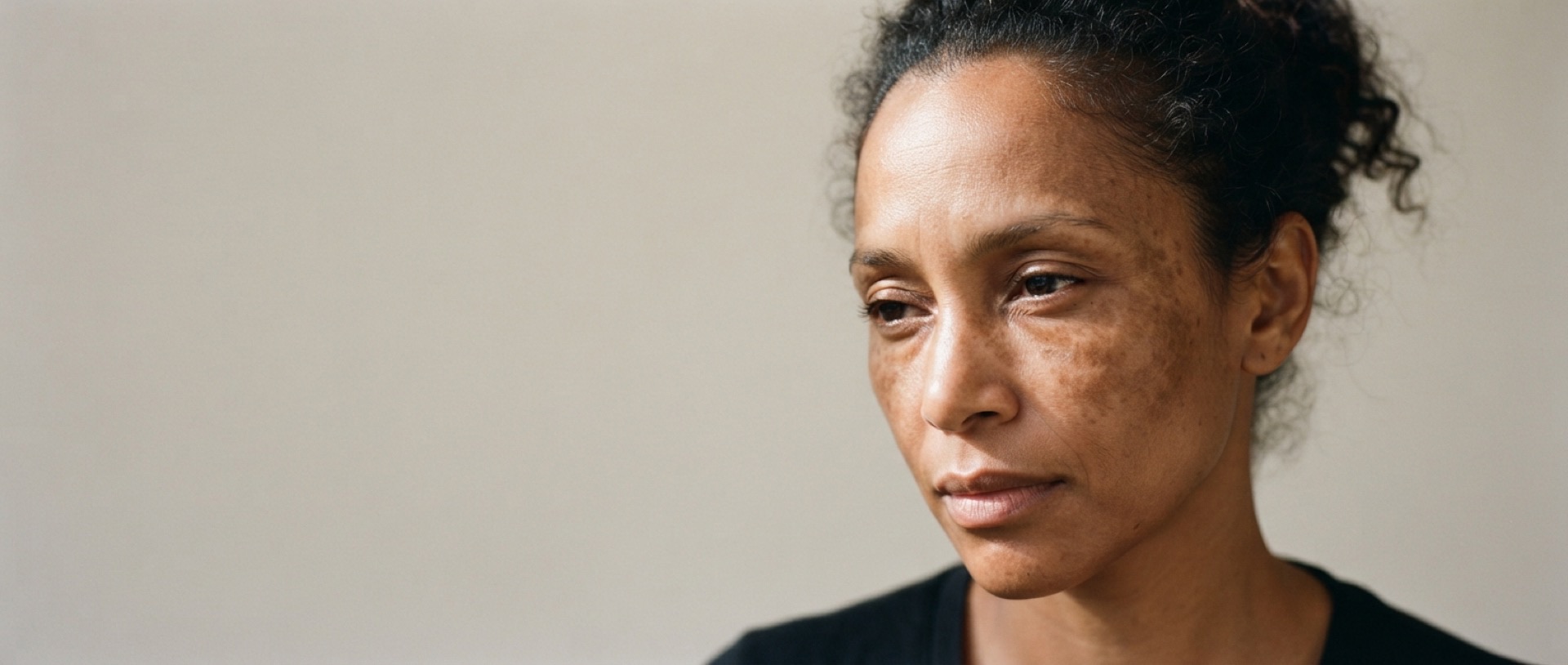
What is yogurt in skincare?
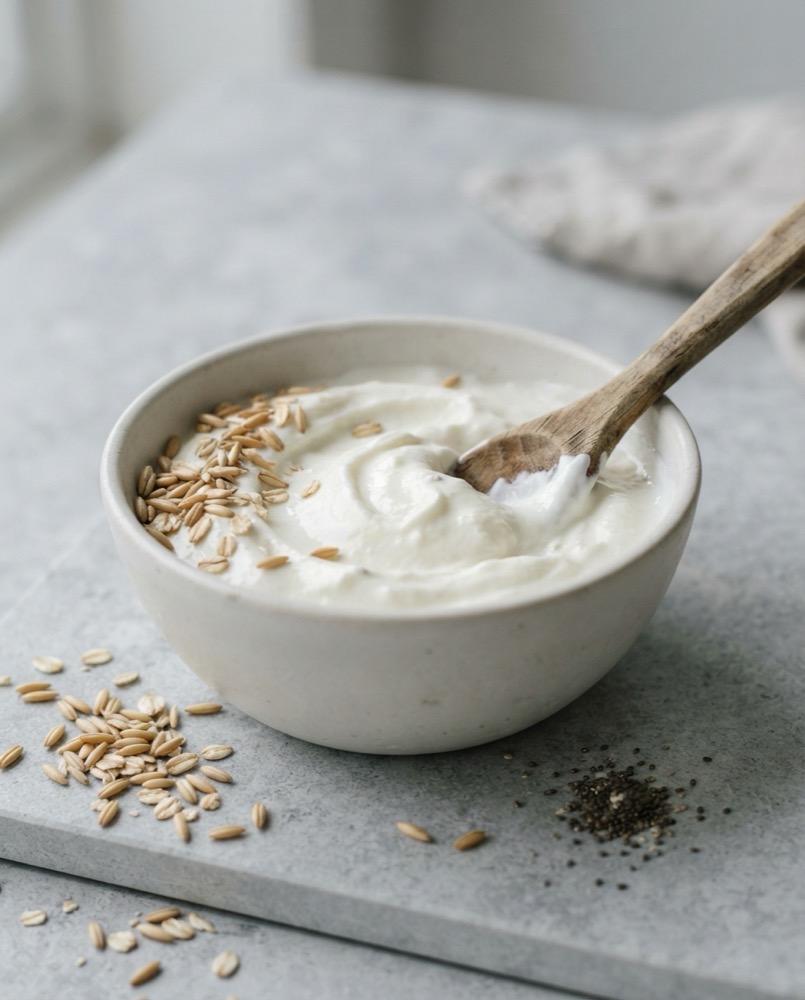
Yogurt is milk fermented by live bacterial cultures, principally Lactobacillus and Streptococcus species. Applied to skin it brings three things: lactic acid produced during fermentation, milk fats and proteins, and the bacterial cultures themselves.
The lactic acid is the part with the clearest mechanism – it is a genuine alpha-hydroxy acid, though at concentrations far below a formulated exfoliant. The cultures connect it to the growing field of probiotics in dermatology.
What skin concerns does yogurt treat?
As a mask it exfoliates very gently, hydrates, and soothes redness and irritation – useful after sun exposure or on skin that cannot tolerate active products. The fats condition dry skin.
The probiotic angle is genuinely promising but still early: research on probiotic lactic acid bacteria and skin health points to effects on the microbiome, barrier function and inflammation, though most evidence comes from formulated products rather than a tub from the fridge.
What ingredients are best paired with yogurt?
In a DIY mask it is traditionally combined with honey, oatmeal or turmeric, all of which reinforce the soothing effect. Use plain, unsweetened yogurt – sugar and fruit add nothing and can irritate.
For reliable results, formulated lactic acid delivers the exfoliation at a known strength, and niacinamide with ceramides handles barrier and tone. Anyone with a dairy allergy should avoid it, and it should be rinsed rather than left on. Take our Skin Quiz.
What is cystic acne?
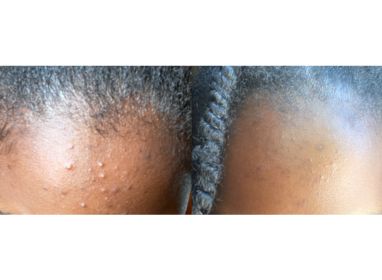
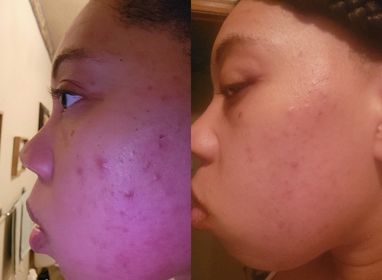
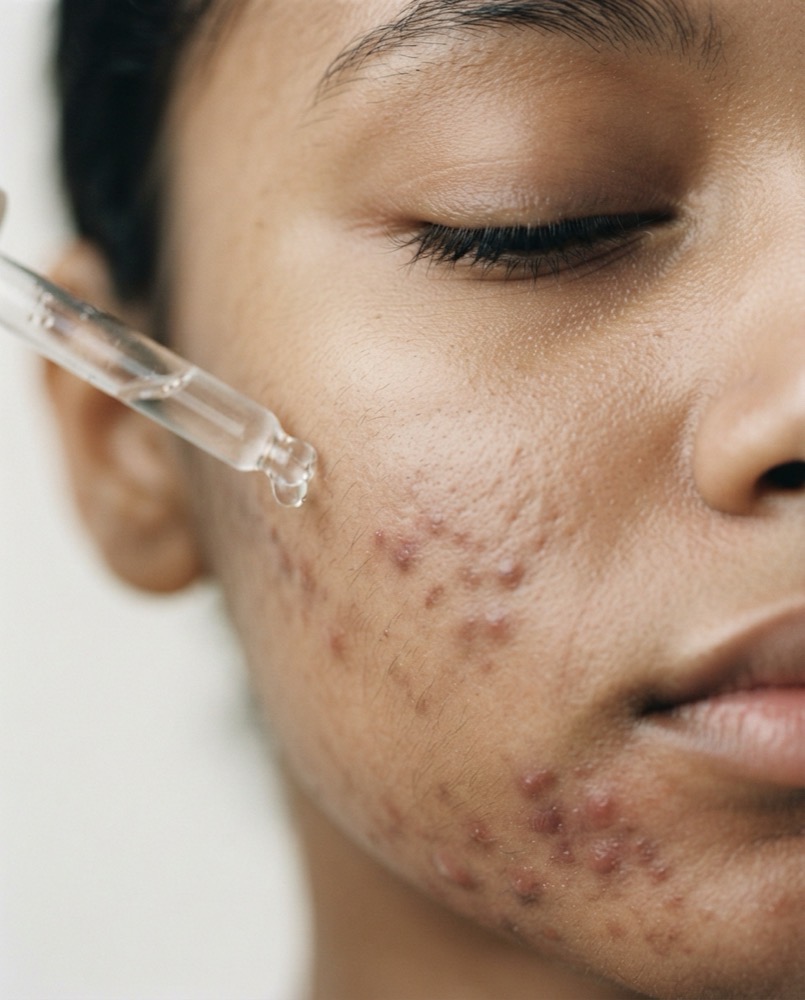
Cystic acne is the most severe form of inflammatory acne. Instead of surface pimples, it produces deep, tender nodules and fluid-filled cysts that sit under the skin, often without ever coming to a head.
It happens when a blocked follicle ruptures deep in the dermis and spills sebum, keratin and bacteria into surrounding tissue, triggering a strong immune inflammatory response. Because the damage is deep, cystic acne is the type most likely to scar.
What causes cystic acne?
The same four factors behind all acne, amplified: excess sebum, abnormal shedding inside the follicle, overgrowth of Cutibacterium acnes, and inflammation. Androgens drive sebum production, which is why cystic acne often tracks with hormonal cycles, PCOS or puberty.
Genetics strongly influence severity, and stress, high-glycaemic diets, occlusive products and picking at lesions all make it worse. Squeezing a cyst pushes the contents deeper and reliably increases scarring.
What ingredients are best for cystic acne?
Cystic acne genuinely warrants a dermatologist – oral treatment is often needed. Alongside that, topical retinoids are the most useful over-the-counter active, because they work on the plug before it ruptures.
Benzoyl peroxide reduces bacterial load, azelaic acid calms inflammation and post-acne marks, and niacinamide helps redness without irritation. Keep the rest of the routine gentle and barrier-focused – harsh scrubs and drying alcohol make deep lesions angrier. Take our Skin Quiz.