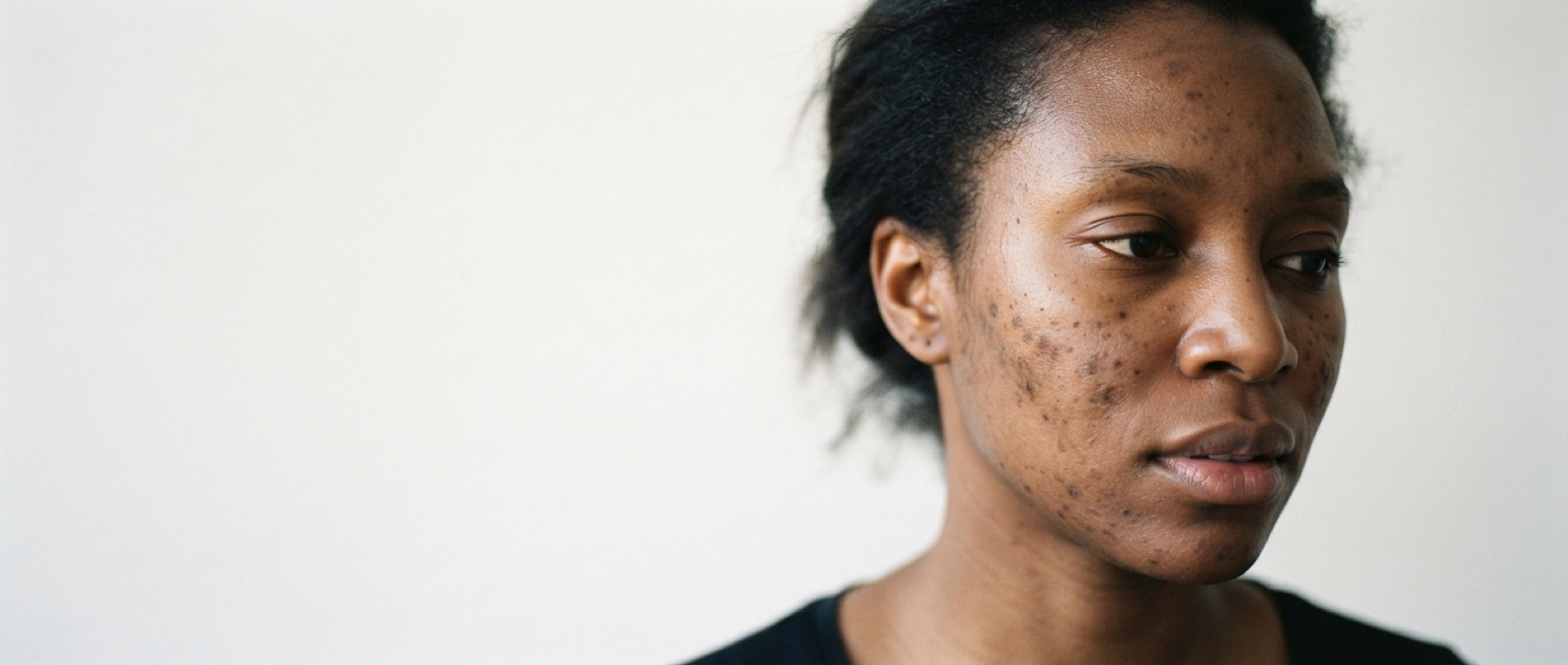
What is vitamin E in skincare?
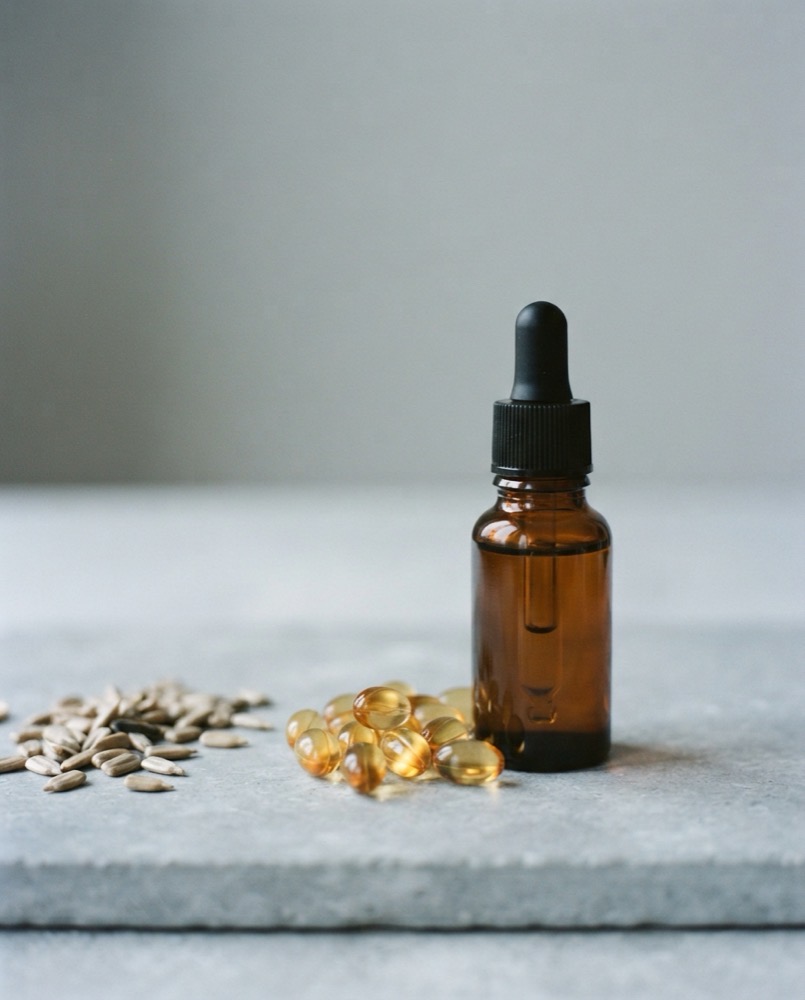
Vitamin E is a family of eight fat-soluble antioxidants – four tocopherols and four tocotrienols. In cosmetics it usually appears as alpha-tocopherol or its more stable ester, tocopheryl acetate.
Because it is fat-soluble, vitamin E concentrates in the skin’s lipid layers and in sebum, where it intercepts free radicals before they can damage cell membranes. It is one of the most established antioxidants in dermatology.
What skin concerns does vitamin E treat?
It protects against oxidative damage from UV and pollution, supports the moisture barrier, and softens dry or roughened skin as an emollient. It also stabilises other ingredients in a formula, extending their shelf life.
Evidence for fading scars is much weaker than folklore suggests, and pure vitamin E oil applied neat causes contact dermatitis in a minority of people. It performs best as part of a formulation rather than straight from a capsule.
What ingredients are best paired with vitamin E?
Vitamin C is the classic partner: together with ferulic acid they measurably increase photoprotection beyond what either achieves alone, which is why that trio anchors so many antioxidant serums.
It also works alongside squalane, ceramides and niacinamide for barrier repair. Oily and acne-prone skin should use it in a light formulation rather than as a heavy oil. Take our Skin Quiz.
What are fine lines?
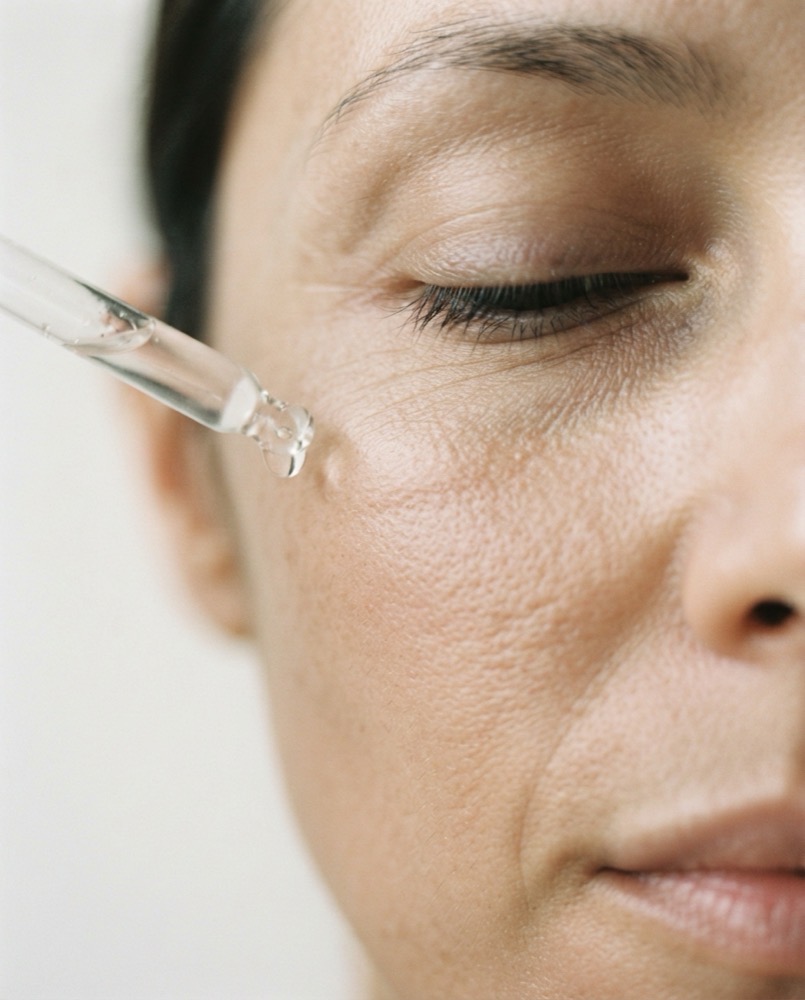
Fine lines are the earliest visible sign of skin ageing: shallow creases that appear where skin is thinnest and most expressive – around the eyes, across the forehead, and at the corners of the mouth.
They differ from established wrinkles in that they are often still dynamic, showing mainly when you smile or squint, and are frequently worsened by dehydration. That makes them the most responsive stage to treat.
What causes fine lines?
Intrinsic ageing does part of the work: collagen production falls by roughly one per cent a year from the mid-twenties, elastin degrades, and the dermal matrix thins so skin no longer springs back.
The larger share is external. Ultraviolet exposure accounts for the majority of visible facial ageing, and pollution, smoking, poor sleep, sugar-driven glycation and repeated facial movement all accelerate it. Dehydration makes existing lines look deeper than they are.
What ingredients are best for fine lines?
Retinol and prescription retinoids have the strongest evidence for stimulating collagen and smoothing texture. Vitamin C protects against free-radical damage while supporting collagen synthesis, and peptides signal the skin to rebuild.
Pair those with hyaluronic acid and ceramides for immediate plumping and barrier support, niacinamide for tone, gentle AHAs for surface renewal, and coenzyme Q10 as an antioxidant. Daily broad-spectrum SPF protects everything else you are doing. Take our Skin Quiz.