What is vitamin E in skincare?
Vitamin E is a family of eight fat-soluble antioxidants – four tocopherols and four tocotrienols. In cosmetics it usually appears as alpha-tocopherol or its more stable ester, tocopheryl acetate.
Because it is fat-soluble, vitamin E concentrates in the skin’s lipid layers and in sebum, where it intercepts free radicals before they can damage cell membranes. It is one of the most established antioxidants in dermatology.
What skin concerns does vitamin E treat?
It protects against oxidative damage from UV and pollution, supports the moisture barrier, and softens dry or roughened skin as an emollient. It also stabilises other ingredients in a formula, extending their shelf life.
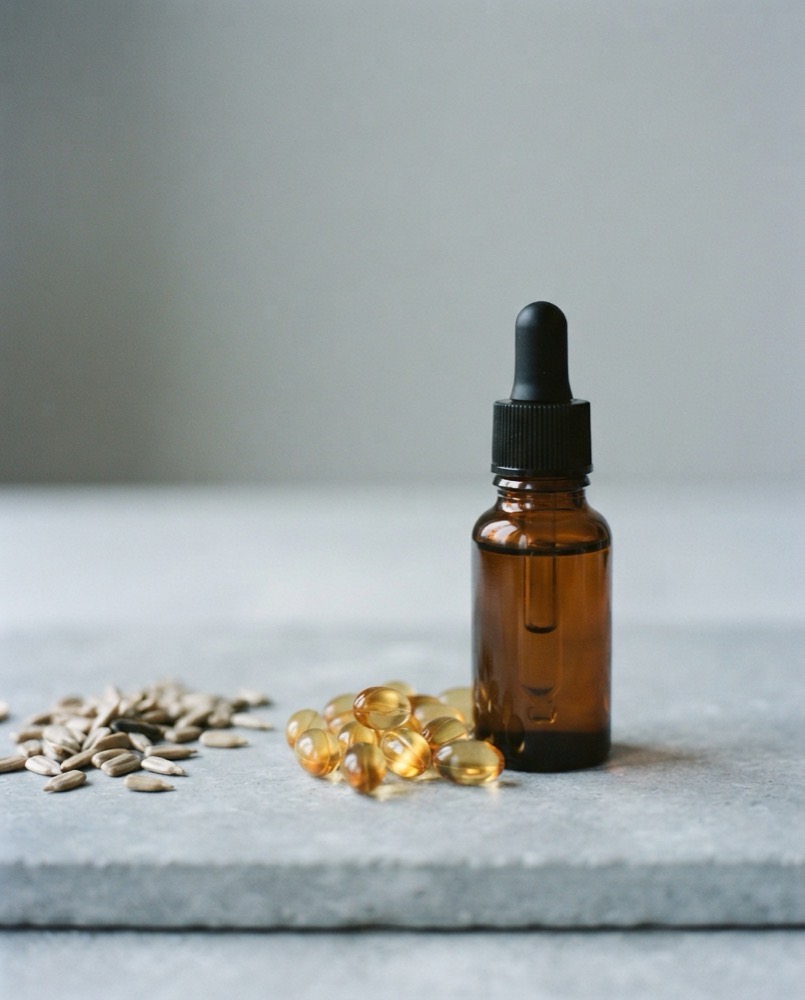
Evidence for fading scars is much weaker than folklore suggests, and pure vitamin E oil applied neat causes contact dermatitis in a minority of people. It performs best as part of a formulation rather than straight from a capsule.
What ingredients are best paired with vitamin E?
Vitamin C is the classic partner: together with ferulic acid they measurably increase photoprotection beyond what either achieves alone, which is why that trio anchors so many antioxidant serums.
It also works alongside squalane, ceramides and niacinamide for barrier repair. Oily and acne-prone skin should use it in a light formulation rather than as a heavy oil. Take our Skin Quiz.
What are clogged pores?
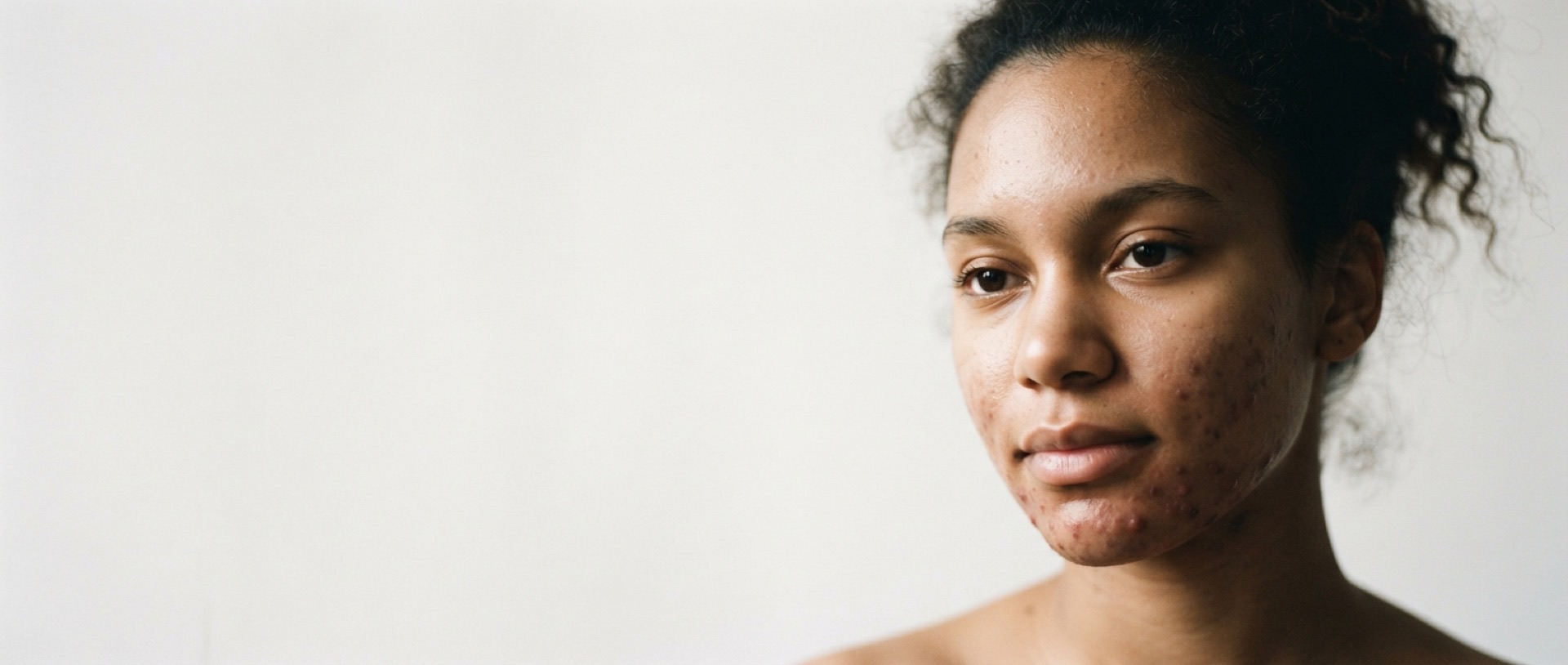
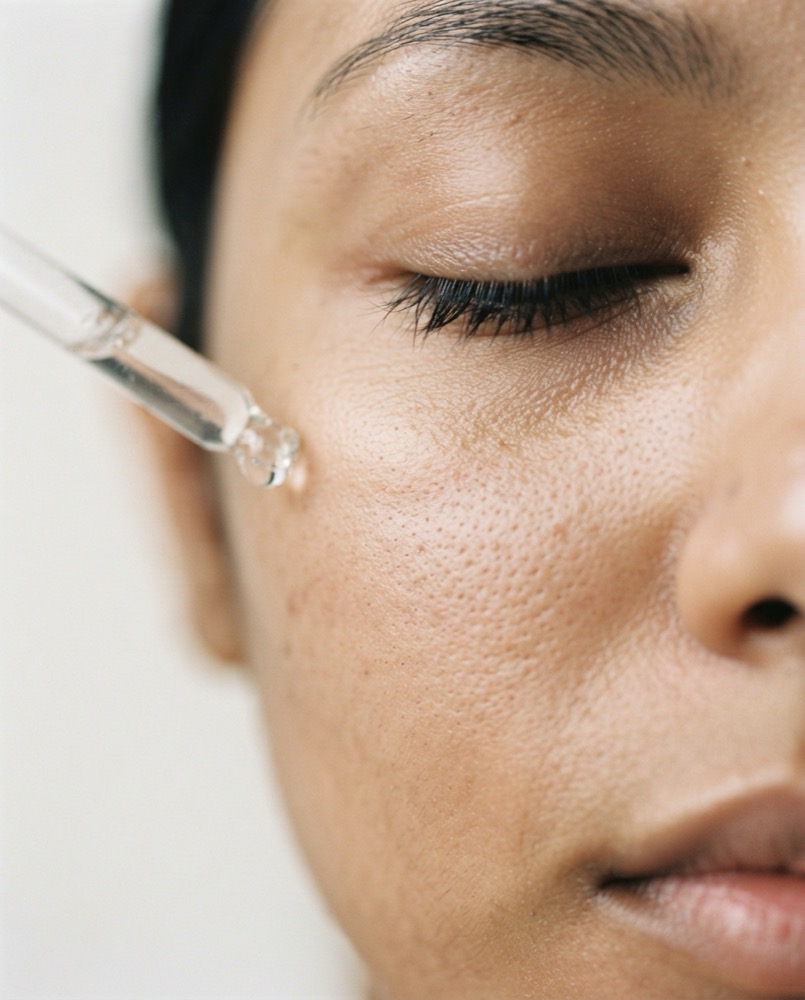
A clogged pore is a hair follicle blocked by a mix of sebum, dead skin cells and debris. Left open to the air the plug oxidises and darkens into a blackhead; sealed over by skin it becomes a whitehead or closed comedone.
Clogged pores are the starting point of nearly all acne – the microcomedone forms first, and inflammation follows only if bacteria and immune response get involved.
What causes clogged pores?
Excess sebum and abnormal keratinisation are the two mechanics. When the follicle lining sheds cells faster than they can clear, they bind with oil and form a plug.
Comedogenic products (heavy oils, some silicones and waxes), thick makeup worn for long stretches, humidity, sweat left on the skin, hormonal shifts and insufficient cleansing all contribute. So does over-cleansing, which damages the barrier and drives oil production up.
What ingredients are best for clogged pores?
Salicylic acid is the first choice because it is oil-soluble and works inside the pore rather than just on the surface. Glycolic and lactic acid clear the surface layer, and clay masks absorb excess oil weekly.
Retinoids are the most effective long-term fix, because they change how the follicle sheds in the first place. Add niacinamide to regulate sebum and keep the barrier intact, and switch to non-comedogenic, lightweight hydrators. Take our Skin Quiz to find products that will not re-clog you.