

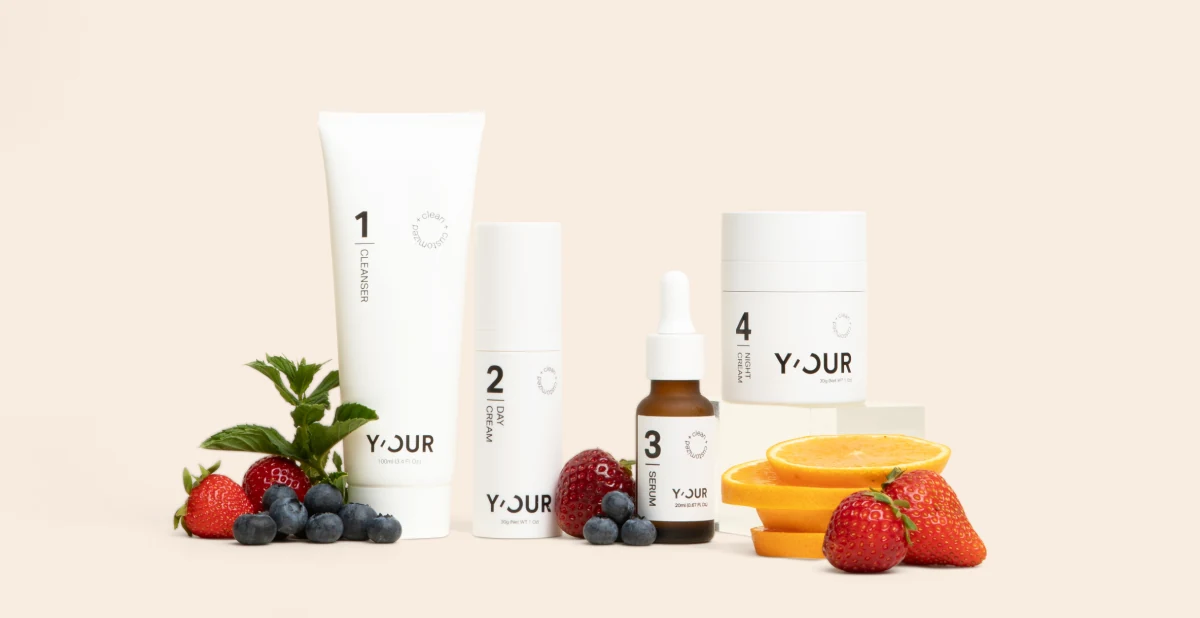
What is vitamin C in skincare?
Vitamin C is an antioxidant and an essential cofactor in collagen synthesis. In skincare it appears as L-ascorbic acid – the purest and best-studied form – or as more stable derivatives such as sodium ascorbyl phosphate, magnesium ascorbyl phosphate and tetrahexyldecyl ascorbate.
Skin cannot make its own vitamin C, and levels fall with age and UV exposure. Applied topically at the right pH and concentration, it penetrates the epidermis and replenishes what has been depleted.
What skin concerns does vitamin C treat?
It neutralises free radicals generated by UV and pollution, which makes it a genuine daytime defence layer under sunscreen rather than a replacement for it. It also inhibits tyrosinase, the enzyme behind melanin production, so it fades dark spots and evens overall tone.
Because it is required for collagen cross-linking, consistent use improves firmness and softens fine lines. Clinical work shows measurable benefit in photoaging and melasma over several months.
What ingredients are best paired with vitamin C?
Vitamin E and ferulic acid are the classic partners – together they stabilise L-ascorbic acid and multiply its photoprotective effect. Add hyaluronic acid to offset any dryness, and follow with broad-spectrum SPF every morning.
Niacinamide and vitamin C work well together in modern formulations, despite the old myth that they cancel out. Avoid layering it directly with strong AHAs, BHAs or benzoyl peroxide in the same step. Store it dark and airtight; oxidised vitamin C turns orange and stops working. Take our Skin Quiz.
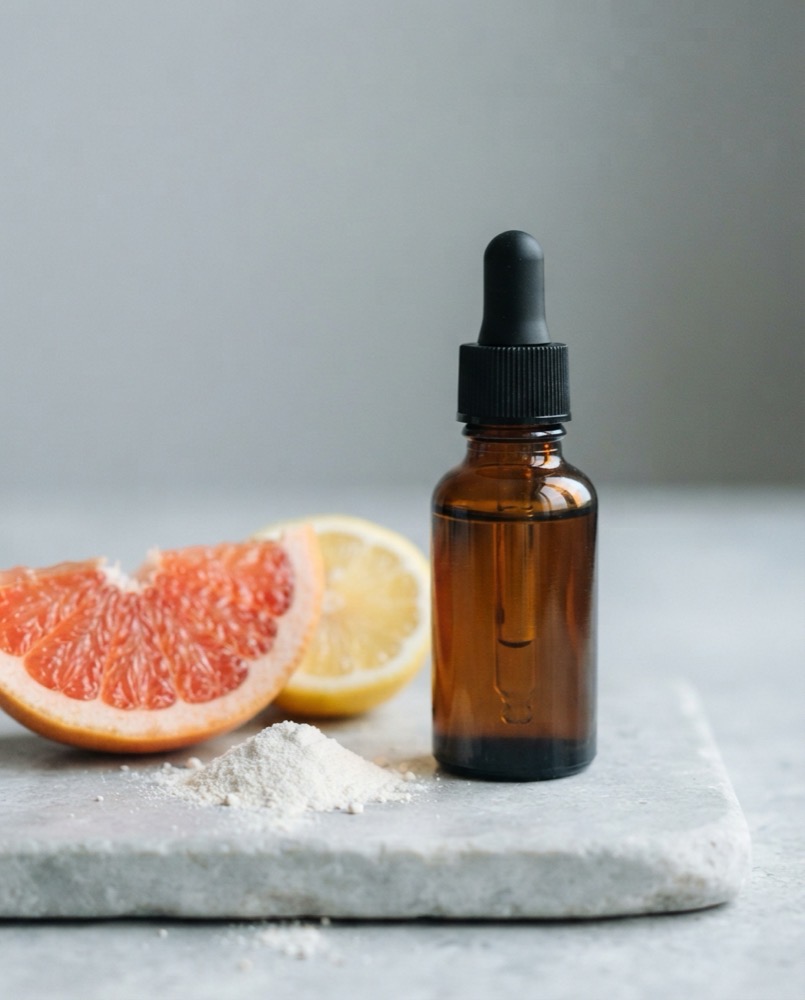
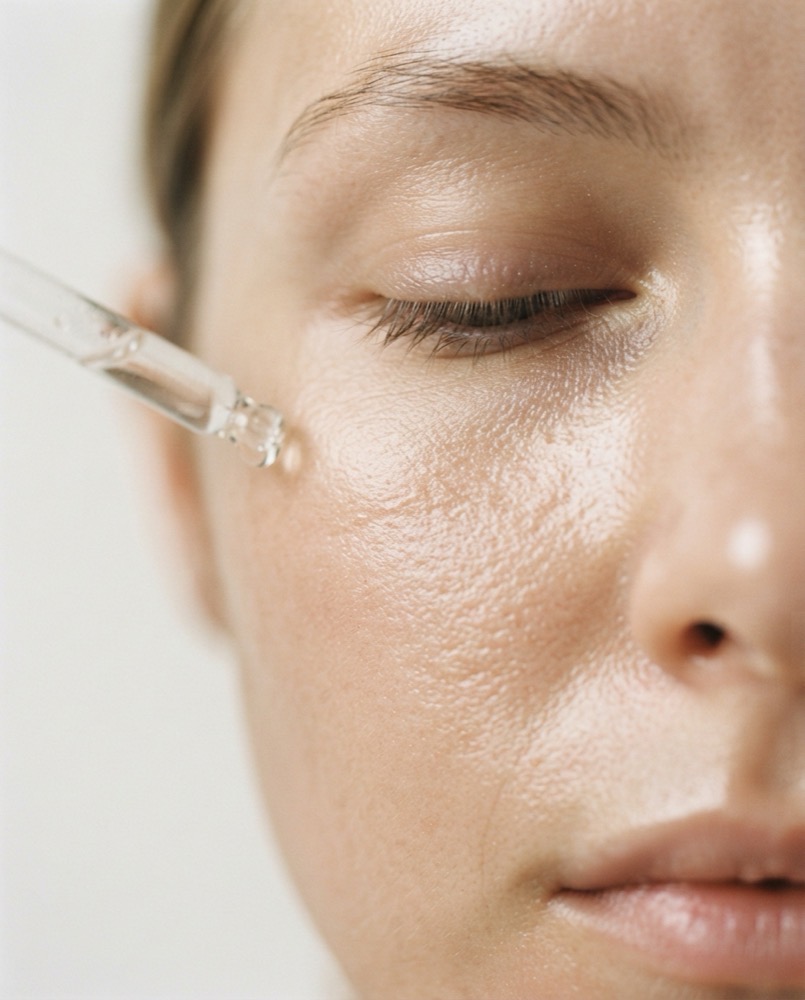
What is oily skin?
Oily skin is a skin type in which the sebaceous glands produce more sebum than the skin needs. It shows up as shine through the T-zone within hours of cleansing, visibly enlarged pores, makeup that slides or separates, and a tendency towards blackheads and congestion.
Sebum itself is not the enemy – it carries vitamin E to the surface, keeps the barrier supple and helps oily skin hold its structure, which is why it often shows fine lines later than dry skin does.
What causes oily skin?
Genetics and androgen activity are the primary drivers of how much sebum your glands produce. Heat and humidity increase output measurably, and hormonal fluctuations across the monthly cycle, pregnancy or puberty shift it again.
Stress, a diet heavy in refined carbohydrates, and – counter-intuitively – over-cleansing with stripping foams or alcohol-based toners all push oil production up, because skin compensates for a damaged barrier by making more.
What ingredients are best for oily skin?
Look for salicylic acid (a BHA that is oil-soluble, so it clears inside the pore), niacinamide and zinc to regulate sebum, clay such as bentonite or kaolin for weekly absorption, and retinoids or azelaic acid to normalise how pores shed.
Do not skip hydration: lightweight humectants like hyaluronic acid and glycerin, plus non-comedogenic squalane or jojoba oil, keep the barrier intact so the skin stops over-compensating. Skip heavy occlusive balms and high-alcohol toners. Take our Skin Quiz to get the balance right for your skin.