What is isopropyl palmitate in skincare?
Isopropyl palmitate is an ester formed from isopropyl alcohol and palmitic acid, a fatty acid from palm or coconut oil. It is a clear, light, odourless liquid used as an emollient, a thickener and a texture enhancer.
Its appeal to formulators is feel: it gives products a silky, fast-absorbing slip without the heaviness of a true oil, which is why it appears widely in moisturisers, cleansers, makeup and hair products.
What skin concerns does isopropyl palmitate treat?
It softens and smooths the skin surface and reduces water loss, so it contributes to hydration in dry and normal skin. It also helps other ingredients spread evenly.
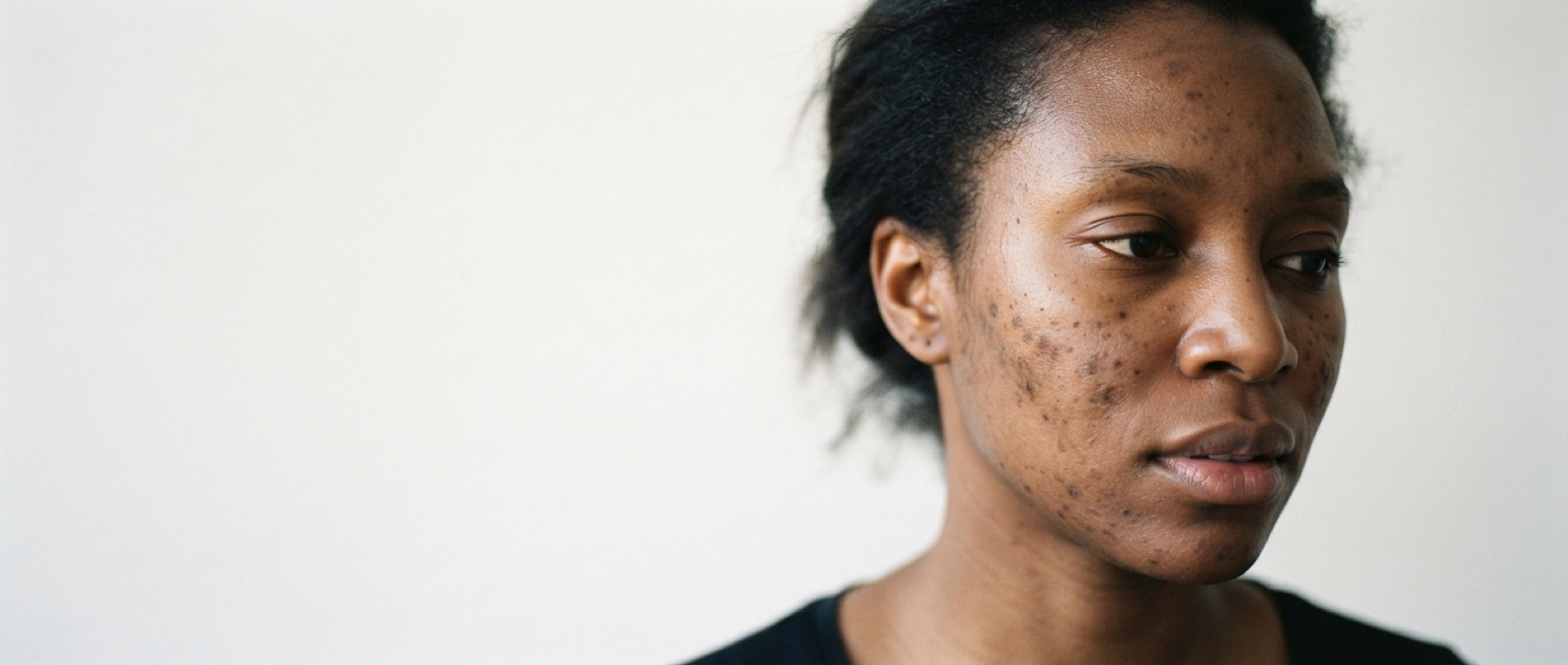
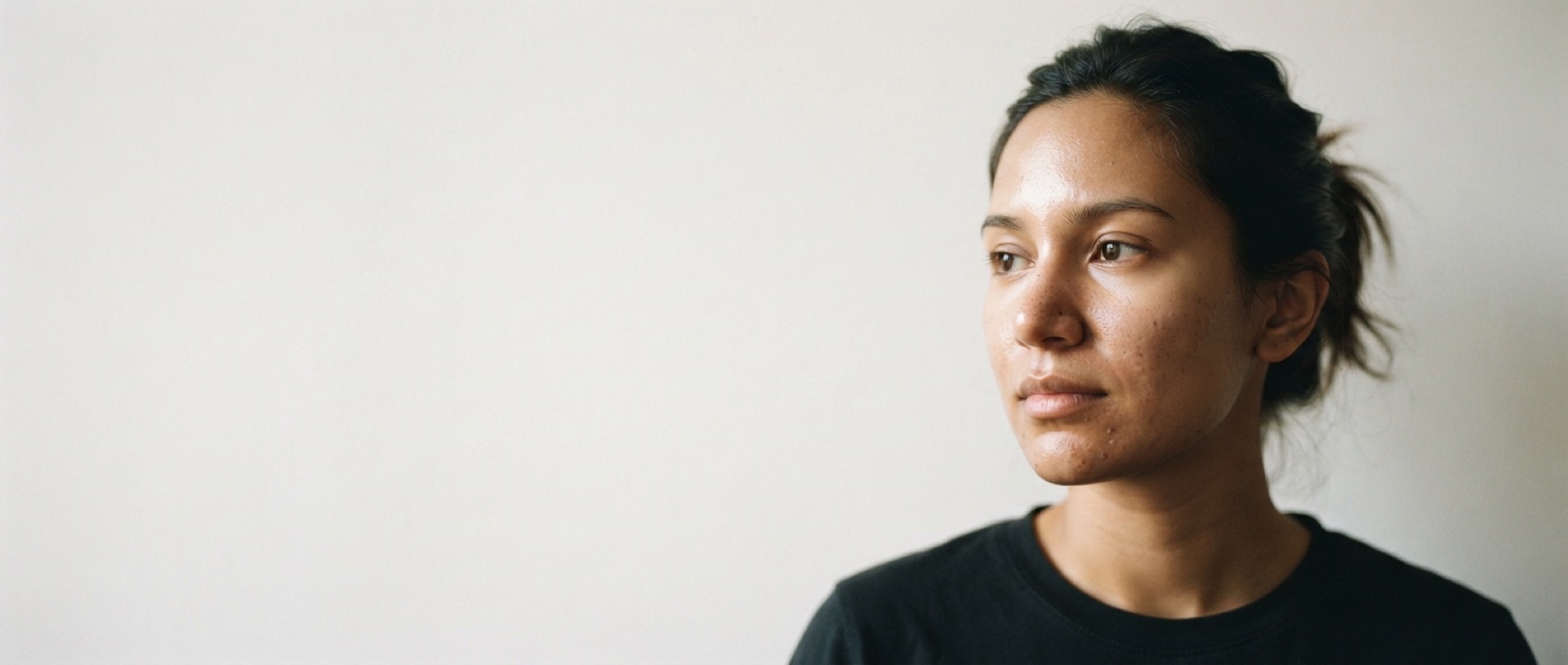
The significant caveat is comedogenicity. Isopropyl palmitate rates high on comedogenicity assessments of dermatological ingredients, and is one of the esters most often implicated in cosmetic acne. If you break out in small bumps from products that otherwise seem light, this is a reasonable ingredient to suspect.
What ingredients are best paired with isopropyl palmitate?
On dry or mature skin it works well alongside ceramides, glycerin, hyaluronic acid and shea butter in a rich moisturiser.
If your skin is oily or acne-prone, look instead for squalane, caprylic/capric triglyceride or jojoba, which deliver a similar lightweight feel without the pore-clogging risk. Its close relative ethylhexyl palmitate behaves much the same way. Take our Skin Quiz.
What are acne scars?
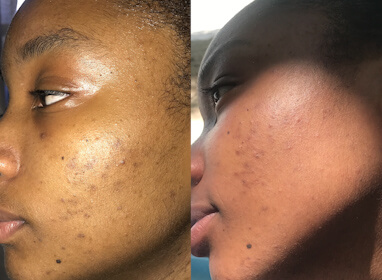
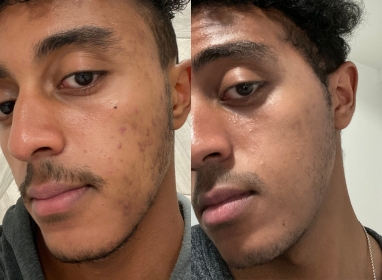
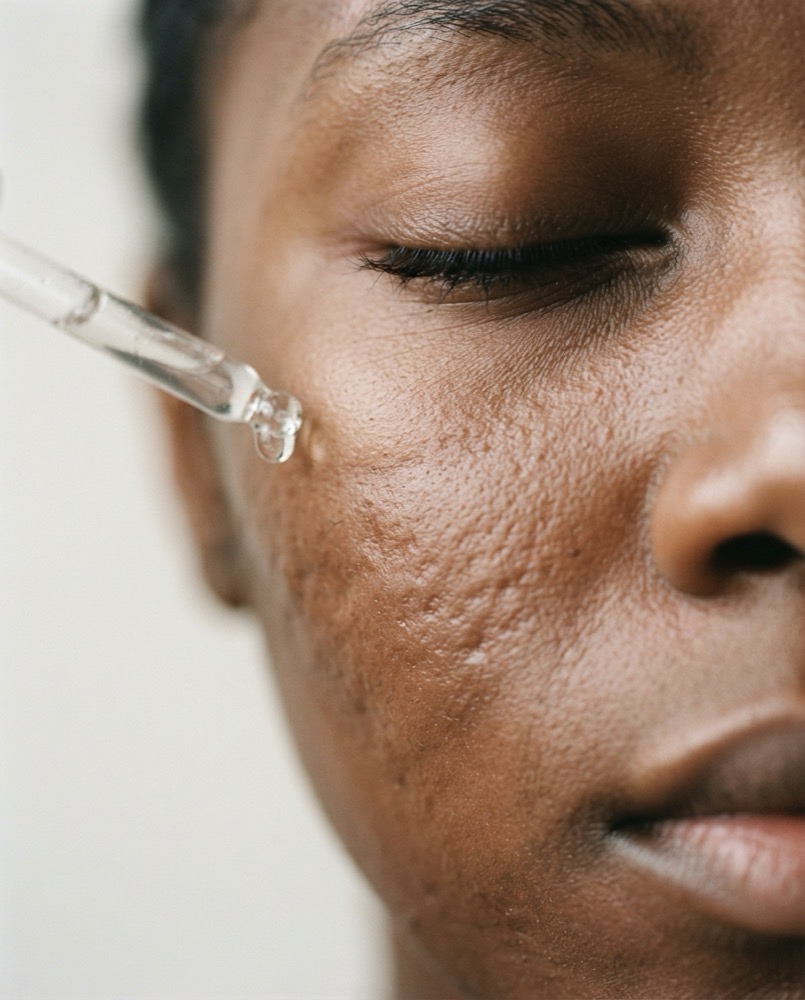
Acne scars are permanent changes in skin texture left behind after inflammatory acne damages the dermis. They fall into two families: atrophic scars, which sit below the surface as ice-pick, boxcar or rolling depressions, and hypertrophic or keloid scars, which sit raised above it.
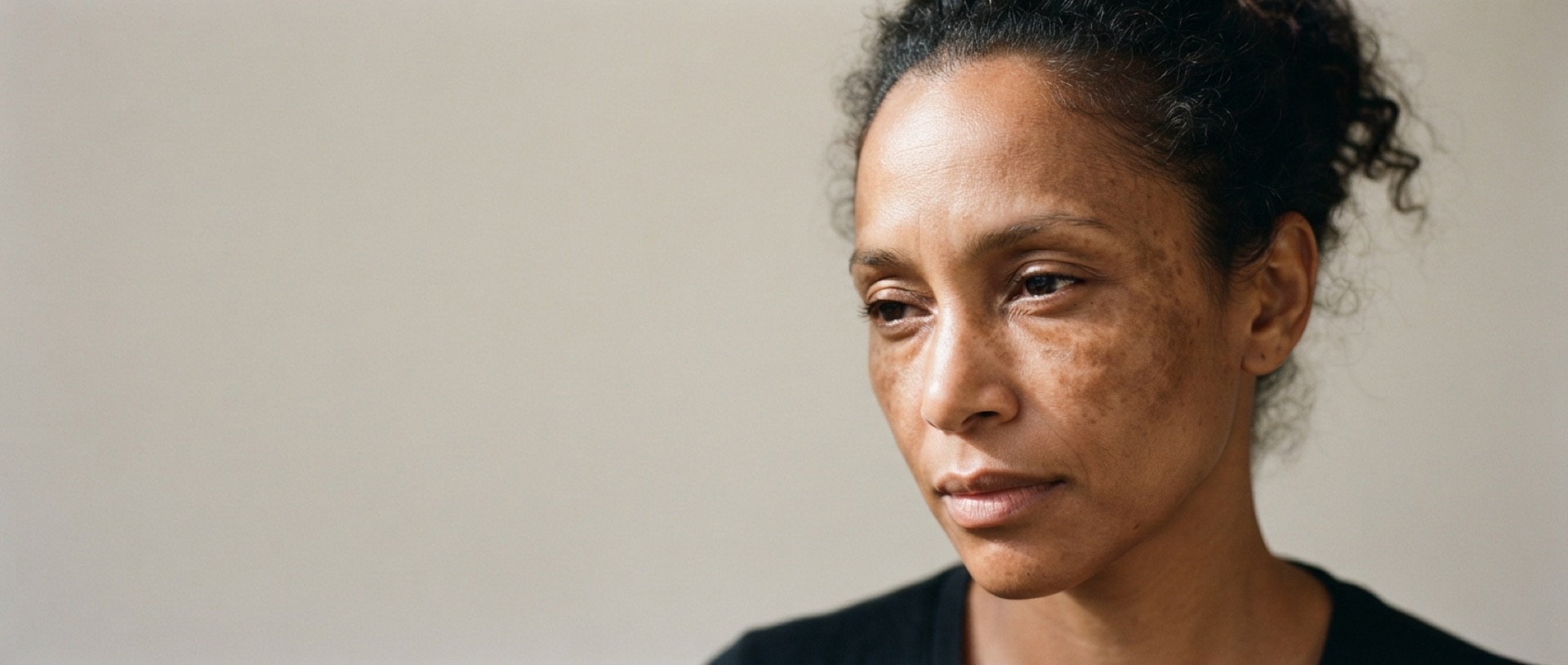
What most people call scarring is often post-inflammatory hyperpigmentation or erythema – flat brown or red marks with no texture change. Those fade on their own; true atrophic scars do not.
What causes acne scars?
Scarring happens when inflammation reaches deep enough to destroy collagen and the repair process either lays down too little (atrophic) or too much (hypertrophic). Deep nodular and cystic lesions carry the highest risk.
Delaying treatment, picking or squeezing, and prolonged inflammation all increase the odds. Genetics play a large part in who scars and how, which is why two people with identical acne can heal very differently.
What ingredients are best for acne scars?
For flat marks, ingredients that speed turnover and calm pigment work well: retinoids, vitamin C, niacinamide, azelaic acid, alpha arbutin and AHAs, with daily SPF to stop marks darkening again.
For true textural scarring, topicals can soften but not erase – retinoids and peptides help remodel collagen over months, while in-clinic options like microneedling, resurfacing and subcision do the heavy lifting. Preventing new inflammation is the highest-value step. Take our Skin Quiz.