What is vitamin C in skincare?
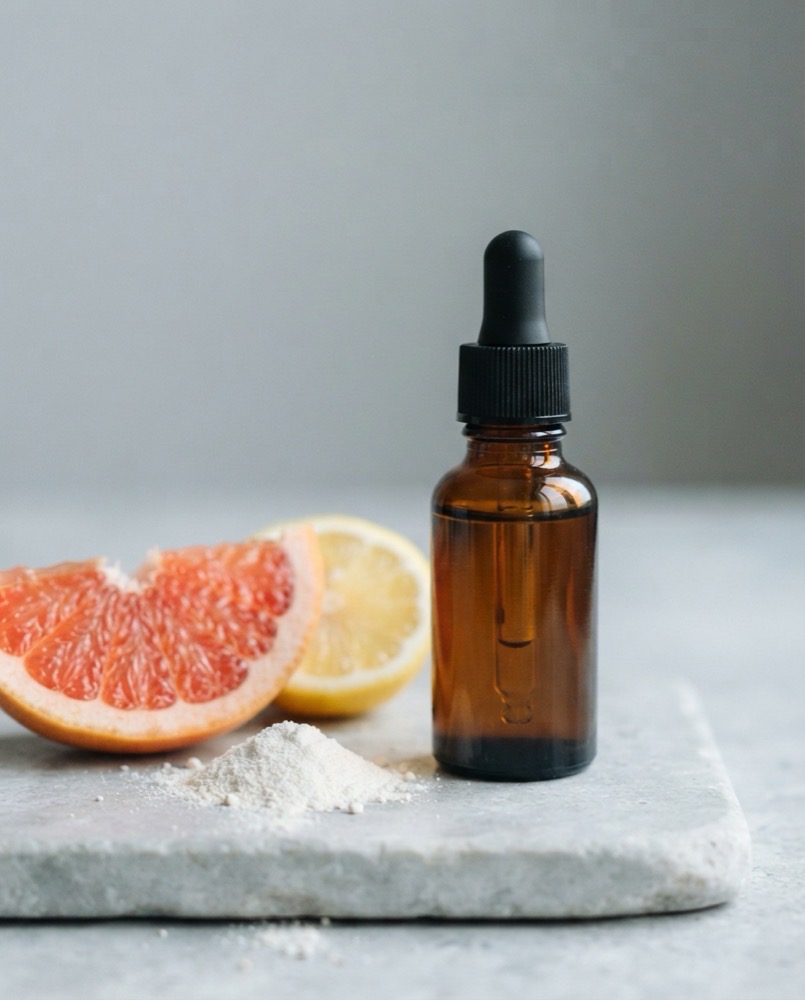
Vitamin C is an antioxidant and an essential cofactor in collagen synthesis. In skincare it appears as L-ascorbic acid – the purest and best-studied form – or as more stable derivatives such as sodium ascorbyl phosphate, magnesium ascorbyl phosphate and tetrahexyldecyl ascorbate.
Skin cannot make its own vitamin C, and levels fall with age and UV exposure. Applied topically at the right pH and concentration, it penetrates the epidermis and replenishes what has been depleted.
What skin concerns does vitamin C treat?
It neutralises free radicals generated by UV and pollution, which makes it a genuine daytime defence layer under sunscreen rather than a replacement for it. It also inhibits tyrosinase, the enzyme behind melanin production, so it fades dark spots and evens overall tone.
Because it is required for collagen cross-linking, consistent use improves firmness and softens fine lines. Clinical work shows measurable benefit in photoaging and melasma over several months.
What ingredients are best paired with vitamin C?
Vitamin E and ferulic acid are the classic partners – together they stabilise L-ascorbic acid and multiply its photoprotective effect. Add hyaluronic acid to offset any dryness, and follow with broad-spectrum SPF every morning.
Niacinamide and vitamin C work well together in modern formulations, despite the old myth that they cancel out. Avoid layering it directly with strong AHAs, BHAs or benzoyl peroxide in the same step. Store it dark and airtight; oxidised vitamin C turns orange and stops working. Take our Skin Quiz.
What is hormonal acne?
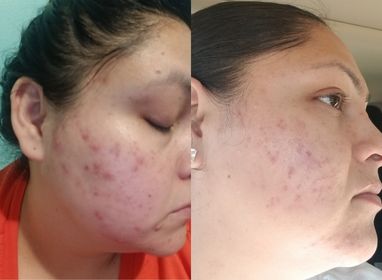
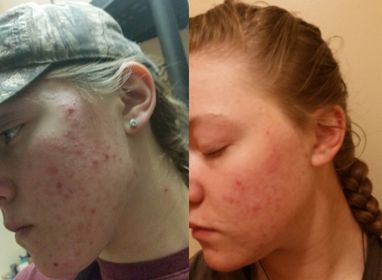
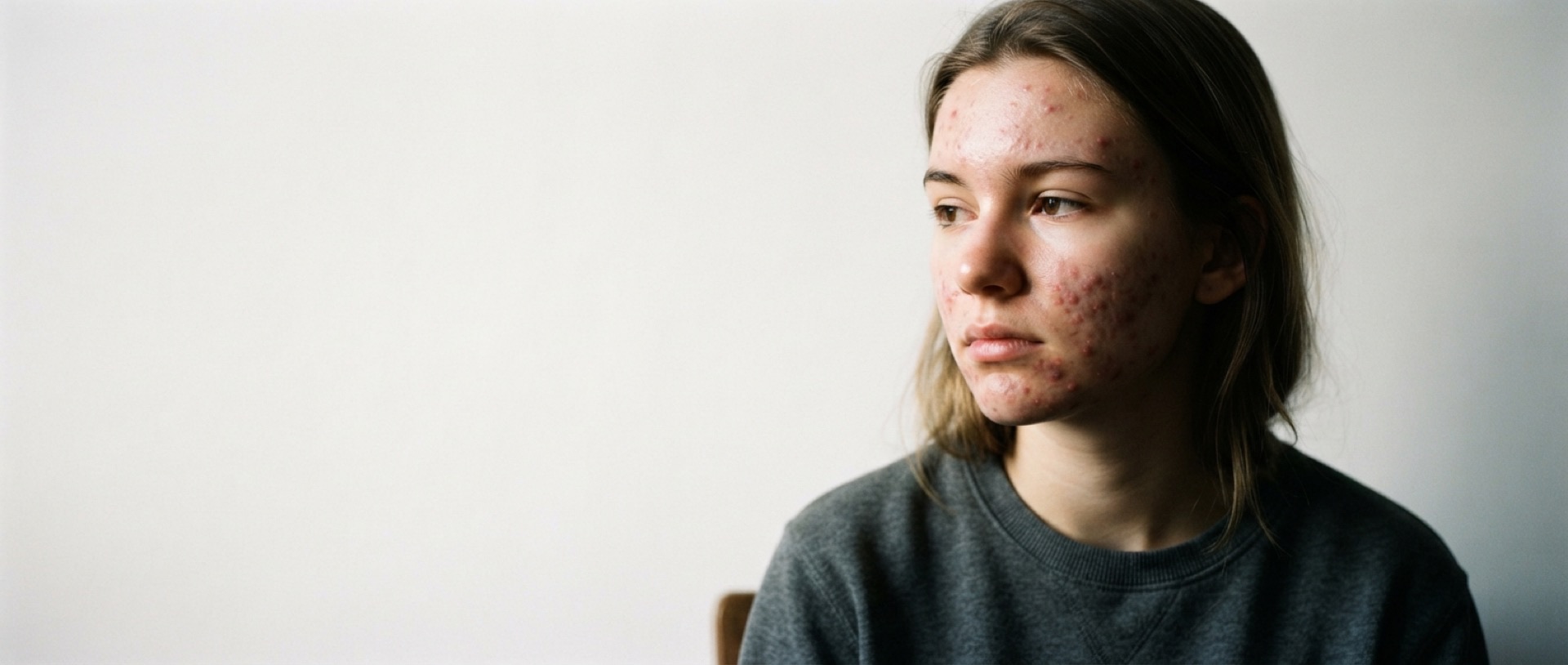
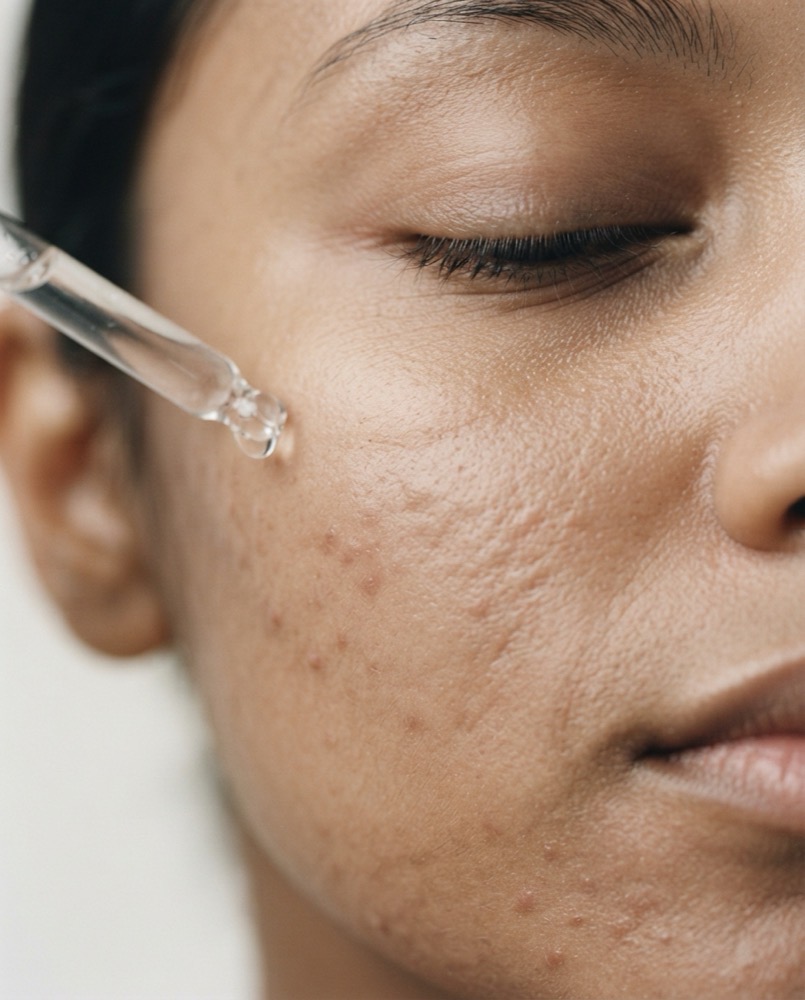
Hormonal acne is acne whose timing and pattern track with hormonal activity rather than with cleansing habits or diet alone. It typically appears along the lower face – jawline, chin and upper neck – as deep, tender papules and cysts that flare on a predictable cycle.
It is most recognisable in adult women, where breakouts often arrive in the week before menstruation and settle again afterwards.
What causes hormonal acne?
Androgens – testosterone and DHT in particular – bind to receptors on the sebaceous gland and increase sebum production. When androgen activity rises or oestrogen falls, oil output climbs and follicles clog more readily.
Menstrual cycles, starting or stopping contraception, pregnancy, perimenopause and PCOS are the usual contexts. Stress raises cortisol, which amplifies the same pathway. Persistent hormonal acne with irregular cycles or excess hair growth is worth investigating medically.
What ingredients are best for hormonal acne?
Retinoids are the most effective topical, because they stop the plug forming regardless of how much oil is being produced. Azelaic acid reduces inflammation and the marks that follow, and niacinamide helps regulate sebum.
Salicylic acid keeps pores clear between flares, and benzoyl peroxide targets bacteria in inflamed lesions. Because hormonal acne is driven from the inside, topicals manage rather than cure it – consistency across the whole cycle beats spot-treating during a flare. Take our Skin Quiz.