

What is vitamin C in skincare?
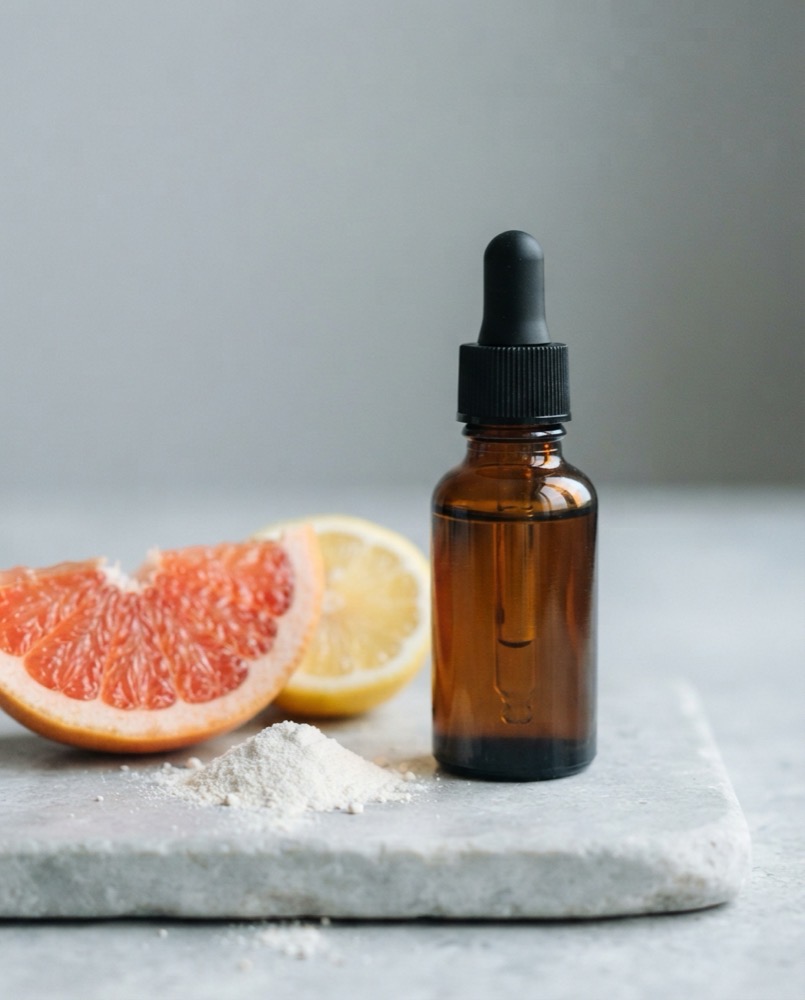
Vitamin C is an antioxidant and an essential cofactor in collagen synthesis. In skincare it appears as L-ascorbic acid – the purest and best-studied form – or as more stable derivatives such as sodium ascorbyl phosphate, magnesium ascorbyl phosphate and tetrahexyldecyl ascorbate.
Skin cannot make its own vitamin C, and levels fall with age and UV exposure. Applied topically at the right pH and concentration, it penetrates the epidermis and replenishes what has been depleted.
What skin concerns does vitamin C treat?
It neutralises free radicals generated by UV and pollution, which makes it a genuine daytime defence layer under sunscreen rather than a replacement for it. It also inhibits tyrosinase, the enzyme behind melanin production, so it fades dark spots and evens overall tone.
Because it is required for collagen cross-linking, consistent use improves firmness and softens fine lines. Clinical work shows measurable benefit in photoaging and melasma over several months.
What ingredients are best paired with vitamin C?
Vitamin E and ferulic acid are the classic partners – together they stabilise L-ascorbic acid and multiply its photoprotective effect. Add hyaluronic acid to offset any dryness, and follow with broad-spectrum SPF every morning.
Niacinamide and vitamin C work well together in modern formulations, despite the old myth that they cancel out. Avoid layering it directly with strong AHAs, BHAs or benzoyl peroxide in the same step. Store it dark and airtight; oxidised vitamin C turns orange and stops working. Take our Skin Quiz.
What is bumpy skin?
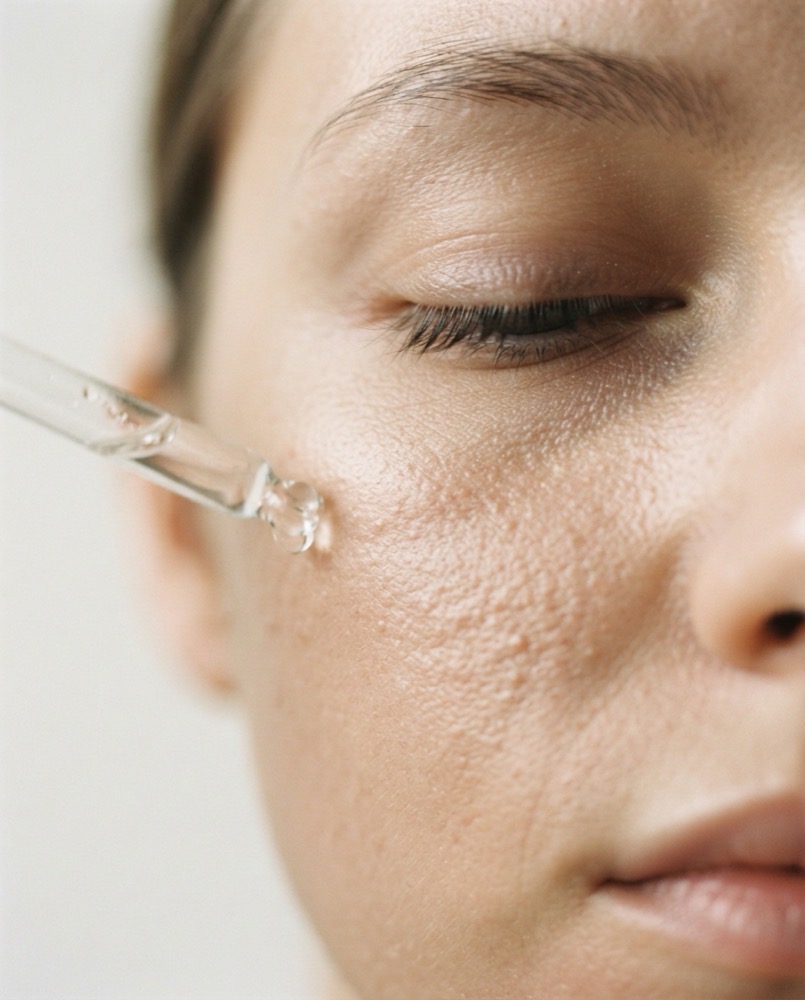
Bumpy skin is a texture problem rather than a single condition. It covers the rough, uneven surface you can feel more than see – most often keratosis pilaris (small hard bumps on the upper arms, thighs and cheeks), closed comedones, milia, or simple build-up of dead cells on the surface.
Keratosis pilaris in particular affects a large share of the population and is harmless, but it makes skin feel like sandpaper and can be stubborn to smooth out.
What causes bumpy skin?
Most bumpy texture comes from keratin plugging the follicle. When dead cells fail to shed cleanly, they collect at the pore opening and form a firm bump – a process closely linked to a weakened permeability barrier and low skin hydration.
Genetics, dry skin, cold weather, eczema and a history of over-scrubbing all make it worse. Aggressive physical exfoliation tends to backfire, inflaming the follicle and thickening the plug.
What ingredients are best for bumpy skin?
Chemical exfoliation works far better than scrubbing. Salicylic acid clears inside the follicle, lactic and glycolic acid loosen surface build-up, and urea both exfoliates and hydrates.
Retinoids normalise how skin sheds over time, while ceramides, niacinamide and hyaluronic acid keep the barrier strong so the plugs stop reforming. Consistency matters more than strength here. Take our Skin Quiz to work out which exfoliant your skin can tolerate.