

What is vitamin A in skincare?
Vitamin A is the parent of the entire retinoid family. In skincare it appears in several forms of increasing strength: retinyl esters, retinol, retinaldehyde, and prescription retinoic acid (tretinoin).
Every form except retinoic acid must be converted by the skin before it can act – each conversion step costs potency, which is why retinyl palmitate is mild and tretinoin is powerful. Vitamin A regulates how skin cells mature, turn over and produce collagen.
What skin concerns does vitamin A treat?
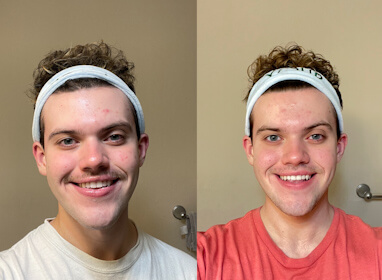
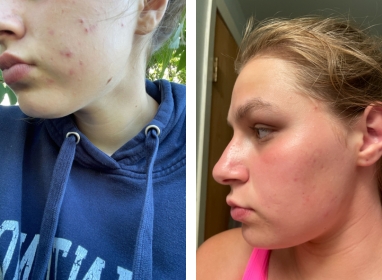
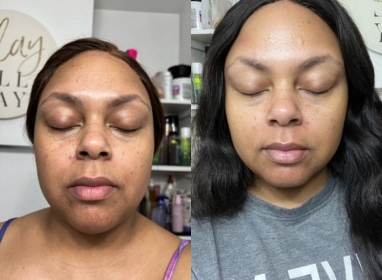
It is the most versatile active in dermatology: fine lines and wrinkles, loss of firmness, uneven tone and pigmentation, enlarged pores, rough texture, and acne at every severity.
Because it works at the level of cell behaviour rather than the surface, results are gradual and cumulative – expect twelve weeks before meaningful change, and continued improvement for a year or more.
What ingredients are best paired with vitamin A?
Pair it with hyaluronic acid, ceramides, niacinamide, squalane and panthenol to absorb the dryness and flaking of the adjustment period. Introduce it two nights a week and build up.
Use it at night only, and wear broad-spectrum SPF daily – vitamin A increases photosensitivity and is degraded by light. Avoid combining it with AHAs, BHAs or benzoyl peroxide in the same step, and avoid retinoids entirely during pregnancy. Take our Skin Quiz.
What are wrinkles?
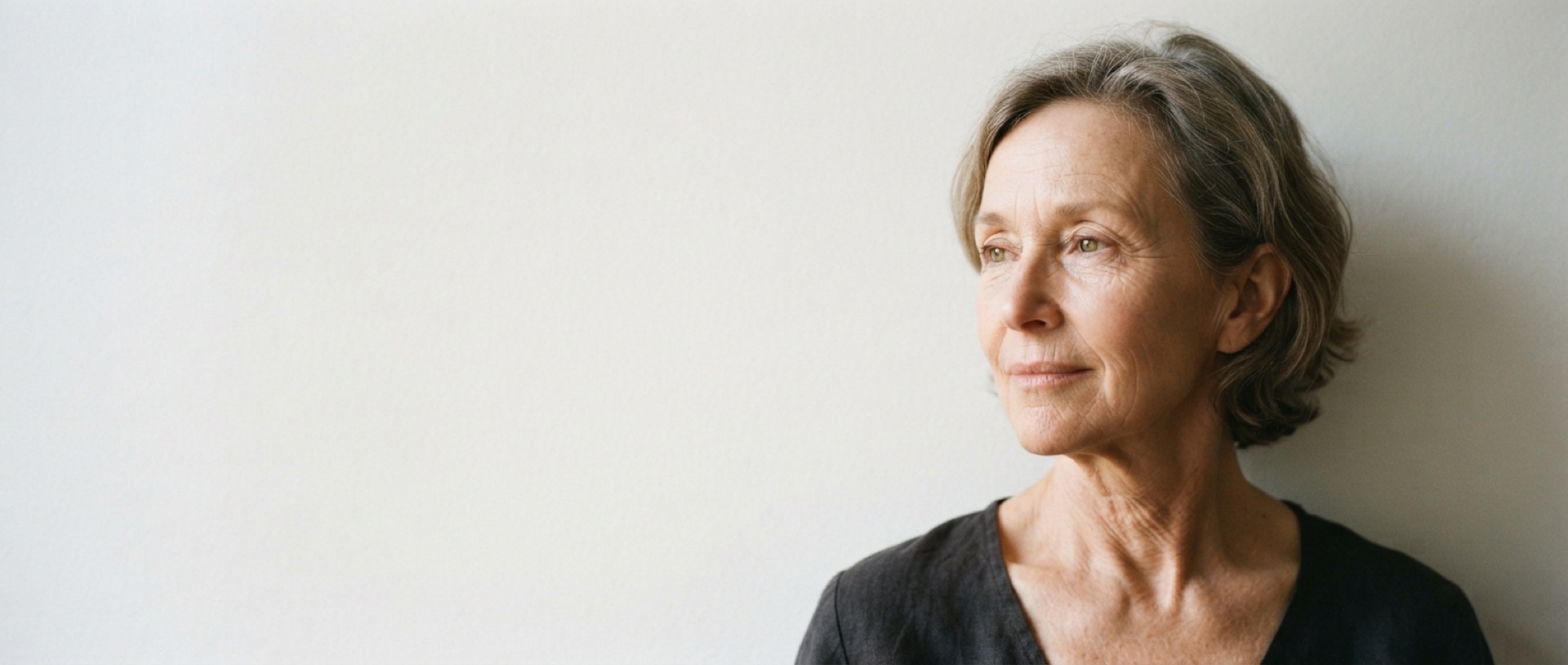
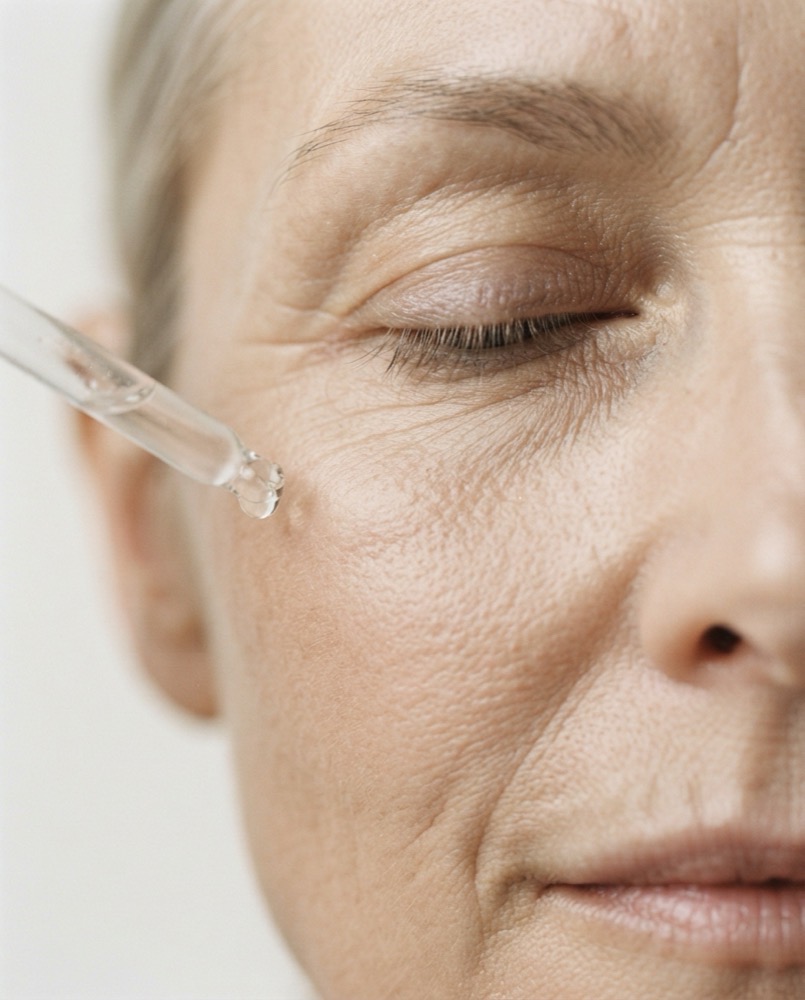
Wrinkles are permanent folds and creases in the skin. They begin as dynamic lines that appear only with expression, then set into static lines visible at rest once the underlying support structure can no longer push them back out.
They form first where skin is thin and movement is constant: crow’s feet, forehead lines, frown lines between the brows, and nasolabial folds. Deeper folds also reflect loss of fat and bone volume, not just skin change.
What causes wrinkles?
Internally, collagen and elastin production declines steadily from the mid-twenties and the dermal matrix thins, so skin loses the scaffolding that keeps it smooth.
Externally, ultraviolet radiation does most of the damage – it activates enzymes that break down collagen and degrades elastic fibres. Smoking, pollution, sugar-driven glycation, poor sleep, sleeping position and repeated facial movement all accelerate the process.
What ingredients are best for wrinkles?
Retinoids have the deepest evidence base for stimulating collagen and measurably reducing wrinkle depth over six to twelve months. Vitamin C supports synthesis while neutralising the free radicals that break it down, and peptides signal repair.
Round it out with hyaluronic acid and ceramides for hydration and barrier strength, niacinamide for elasticity and tone, and AHAs for surface renewal. Daily broad-spectrum SPF is the most effective anti-wrinkle product there is. Take our Skin Quiz.