

What is vitamin A in skincare?
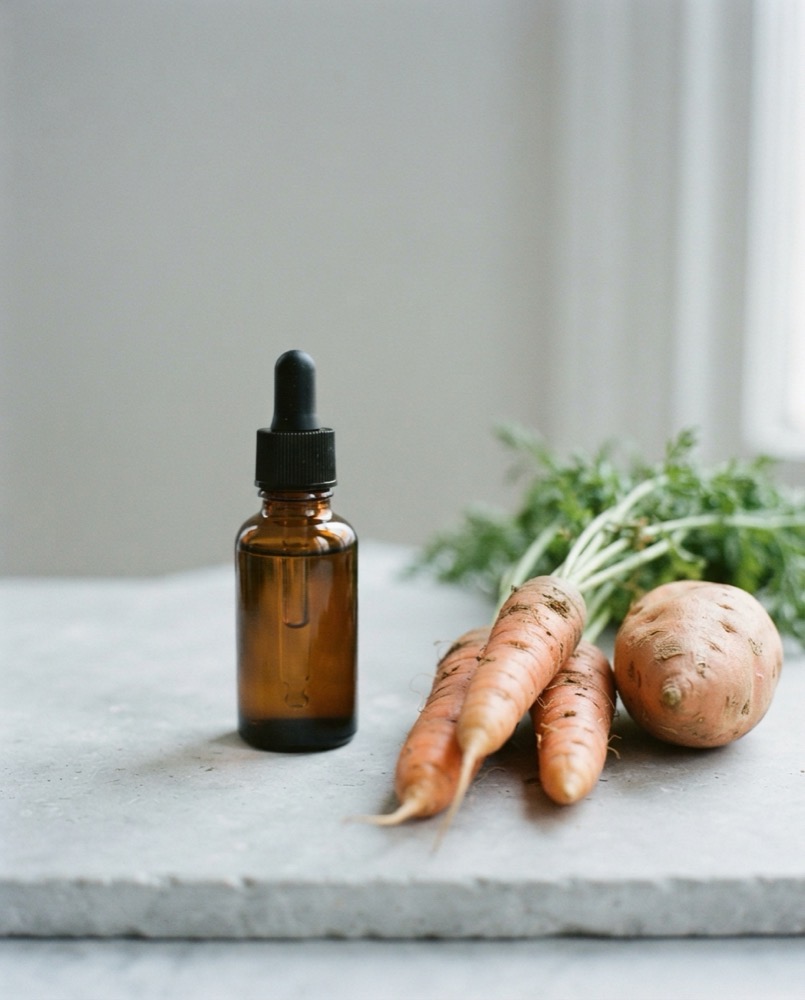
Vitamin A is the parent of the entire retinoid family. In skincare it appears in several forms of increasing strength: retinyl esters, retinol, retinaldehyde, and prescription retinoic acid (tretinoin).
Every form except retinoic acid must be converted by the skin before it can act – each conversion step costs potency, which is why retinyl palmitate is mild and tretinoin is powerful. Vitamin A regulates how skin cells mature, turn over and produce collagen.
What skin concerns does vitamin A treat?
It is the most versatile active in dermatology: fine lines and wrinkles, loss of firmness, uneven tone and pigmentation, enlarged pores, rough texture, and acne at every severity.
Because it works at the level of cell behaviour rather than the surface, results are gradual and cumulative – expect twelve weeks before meaningful change, and continued improvement for a year or more.
What ingredients are best paired with vitamin A?
Pair it with hyaluronic acid, ceramides, niacinamide, squalane and panthenol to absorb the dryness and flaking of the adjustment period. Introduce it two nights a week and build up.
Use it at night only, and wear broad-spectrum SPF daily – vitamin A increases photosensitivity and is degraded by light. Avoid combining it with AHAs, BHAs or benzoyl peroxide in the same step, and avoid retinoids entirely during pregnancy. Take our Skin Quiz.
What is rosacea?
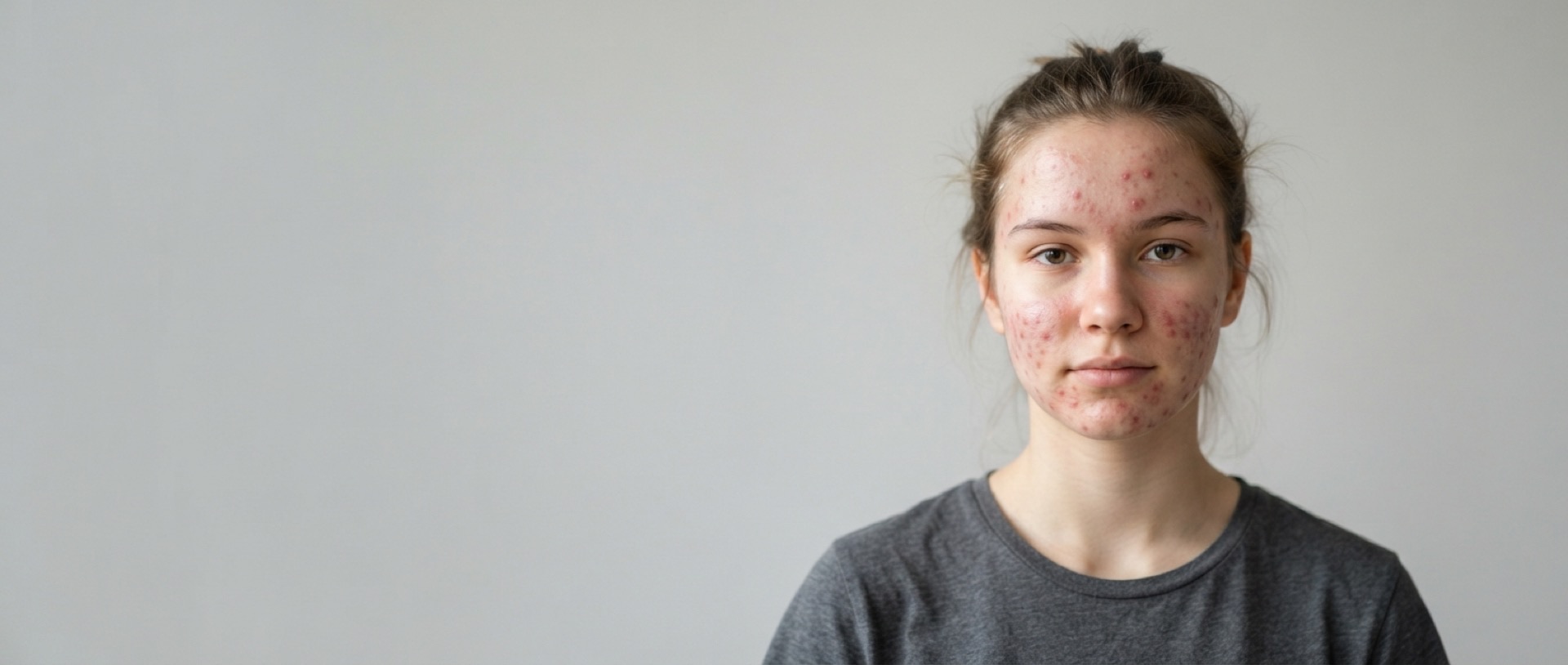
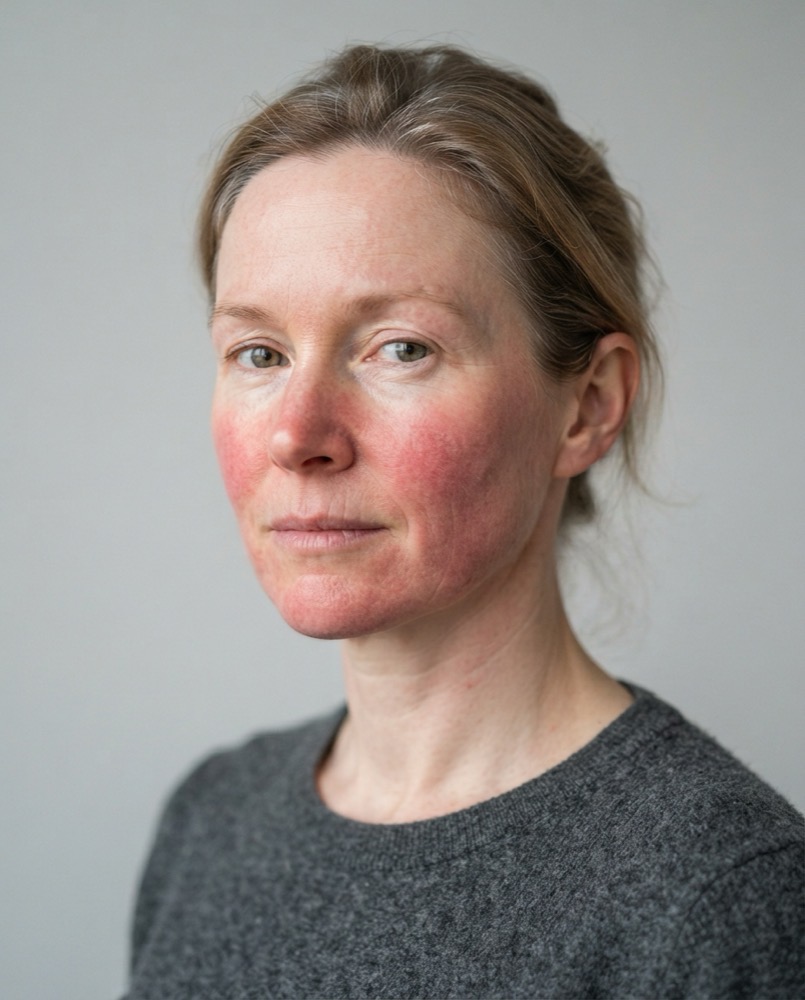
Rosacea is a chronic inflammatory skin condition that affects the central face – cheeks, nose, chin and forehead. It presents as persistent redness, visible broken capillaries, flushing that comes and goes, and in some subtypes acne-like papules and pustules.
Unlike acne, rosacea involves no comedones. It is driven by a combination of vascular hyper-reactivity, neurogenic inflammation and an overactive innate immune response, often with an impaired skin barrier alongside.
What causes rosacea?
There is no single cause. Genetic predisposition, an exaggerated immune response involving cathelicidin, overgrowth of Demodex mites, and dysfunction of the facial blood vessels all appear to contribute.
Flares are triggered by heat, sun exposure, alcohol, spicy food, hot drinks, exercise, stress, wind and cold, and by harsh skincare. Identifying and avoiding your own trigger set does as much as any product.
What ingredients are best for rosacea?
Azelaic acid and niacinamide are the standout actives – both reduce redness and inflammation without provoking the barrier. Sulphur, green tea extract, liquorice root and centella asiatica also calm reactive skin.
Build everything else around barrier repair: ceramides, glycerin, squalane and panthenol, with a gentle non-foaming cleanser and a mineral SPF every day. Avoid alcohol-heavy toners, fragrance, menthol, physical scrubs and high-strength acids. Take our Skin Quiz to build a routine your skin will tolerate.