What is vitamin A in skincare?
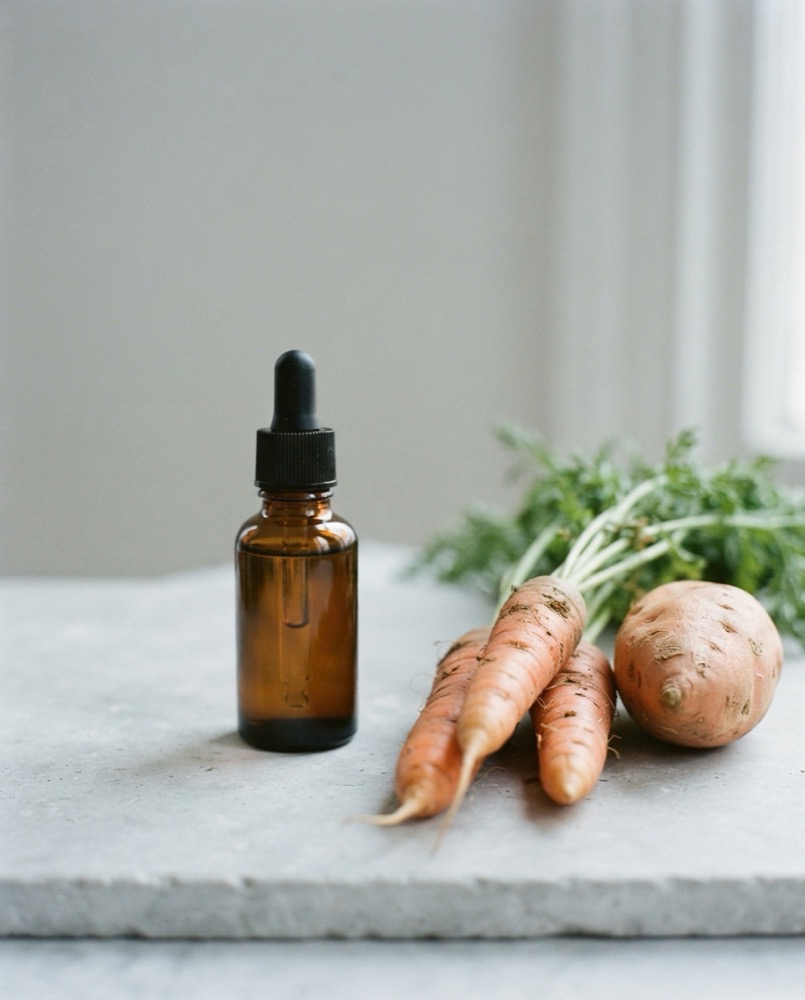
Vitamin A is the parent of the entire retinoid family. In skincare it appears in several forms of increasing strength: retinyl esters, retinol, retinaldehyde, and prescription retinoic acid (tretinoin).
Every form except retinoic acid must be converted by the skin before it can act – each conversion step costs potency, which is why retinyl palmitate is mild and tretinoin is powerful. Vitamin A regulates how skin cells mature, turn over and produce collagen.
What skin concerns does vitamin A treat?
It is the most versatile active in dermatology: fine lines and wrinkles, loss of firmness, uneven tone and pigmentation, enlarged pores, rough texture, and acne at every severity.
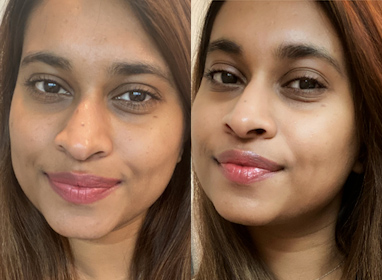
Because it works at the level of cell behaviour rather than the surface, results are gradual and cumulative – expect twelve weeks before meaningful change, and continued improvement for a year or more.
What ingredients are best paired with vitamin A?
Pair it with hyaluronic acid, ceramides, niacinamide, squalane and panthenol to absorb the dryness and flaking of the adjustment period. Introduce it two nights a week and build up.
Use it at night only, and wear broad-spectrum SPF daily – vitamin A increases photosensitivity and is degraded by light. Avoid combining it with AHAs, BHAs or benzoyl peroxide in the same step, and avoid retinoids entirely during pregnancy. Take our Skin Quiz.
What is bumpy skin?
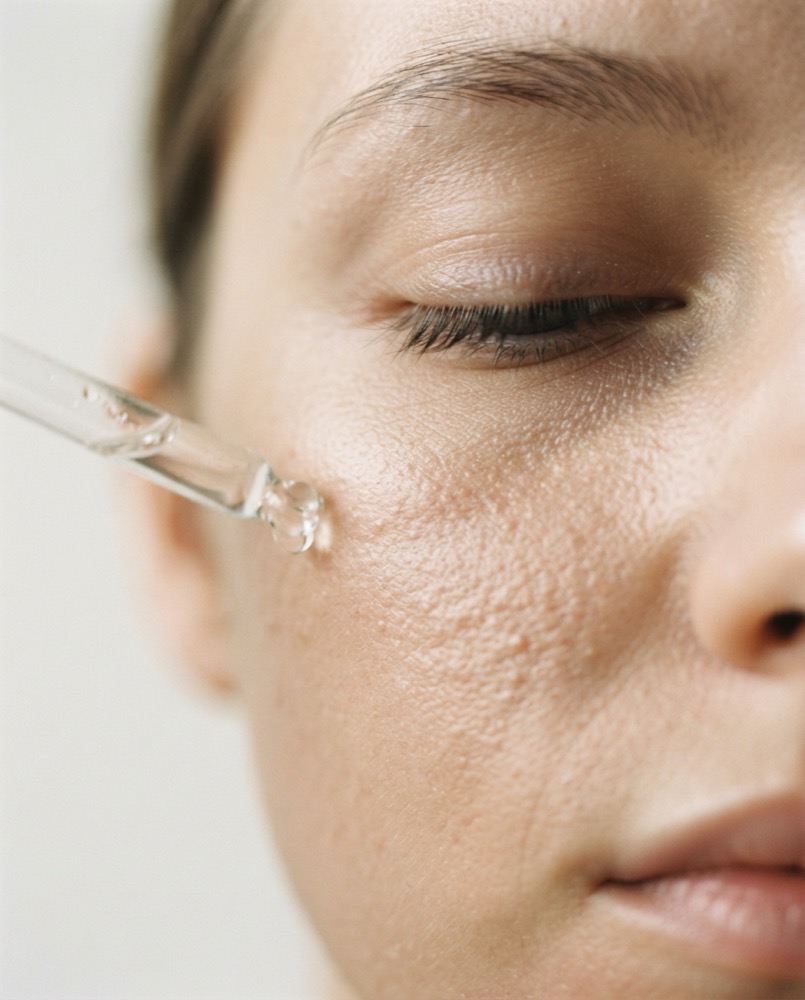
Bumpy skin is a texture problem rather than a single condition. It covers the rough, uneven surface you can feel more than see – most often keratosis pilaris (small hard bumps on the upper arms, thighs and cheeks), closed comedones, milia, or simple build-up of dead cells on the surface.
Keratosis pilaris in particular affects a large share of the population and is harmless, but it makes skin feel like sandpaper and can be stubborn to smooth out.
What causes bumpy skin?
Most bumpy texture comes from keratin plugging the follicle. When dead cells fail to shed cleanly, they collect at the pore opening and form a firm bump – a process closely linked to a weakened permeability barrier and low skin hydration.
Genetics, dry skin, cold weather, eczema and a history of over-scrubbing all make it worse. Aggressive physical exfoliation tends to backfire, inflaming the follicle and thickening the plug.
What ingredients are best for bumpy skin?
Chemical exfoliation works far better than scrubbing. Salicylic acid clears inside the follicle, lactic and glycolic acid loosen surface build-up, and urea both exfoliates and hydrates.
Retinoids normalise how skin sheds over time, while ceramides, niacinamide and hyaluronic acid keep the barrier strong so the plugs stop reforming. Consistency matters more than strength here. Take our Skin Quiz to work out which exfoliant your skin can tolerate.