What is turmeric in skincare?
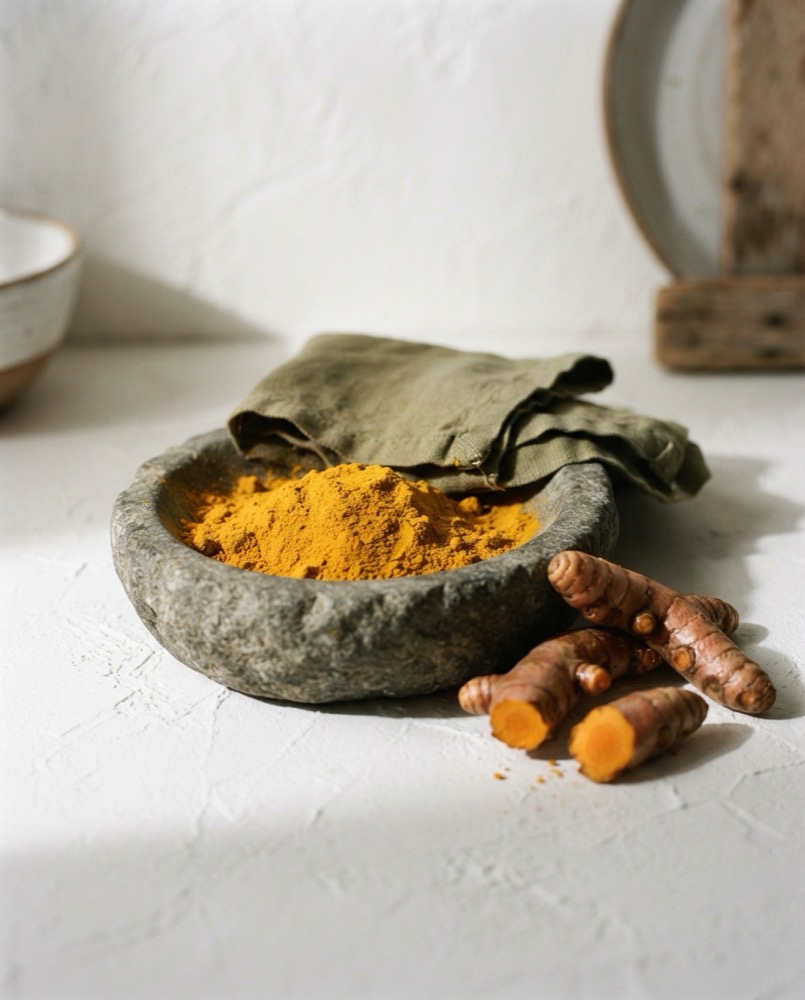
Turmeric is the rhizome of Curcuma longa, a member of the ginger family, ground into the bright yellow powder used in cooking. Its skincare activity comes from curcuminoids – principally curcumin – which are potent antioxidants and anti-inflammatories.
Curcumin is poorly absorbed and unstable on its own, so modern formulations use extracts or encapsulated forms rather than raw powder. Systematic review of clinical evidence finds genuine but modest benefit across a range of skin conditions.
What skin concerns does turmeric treat?
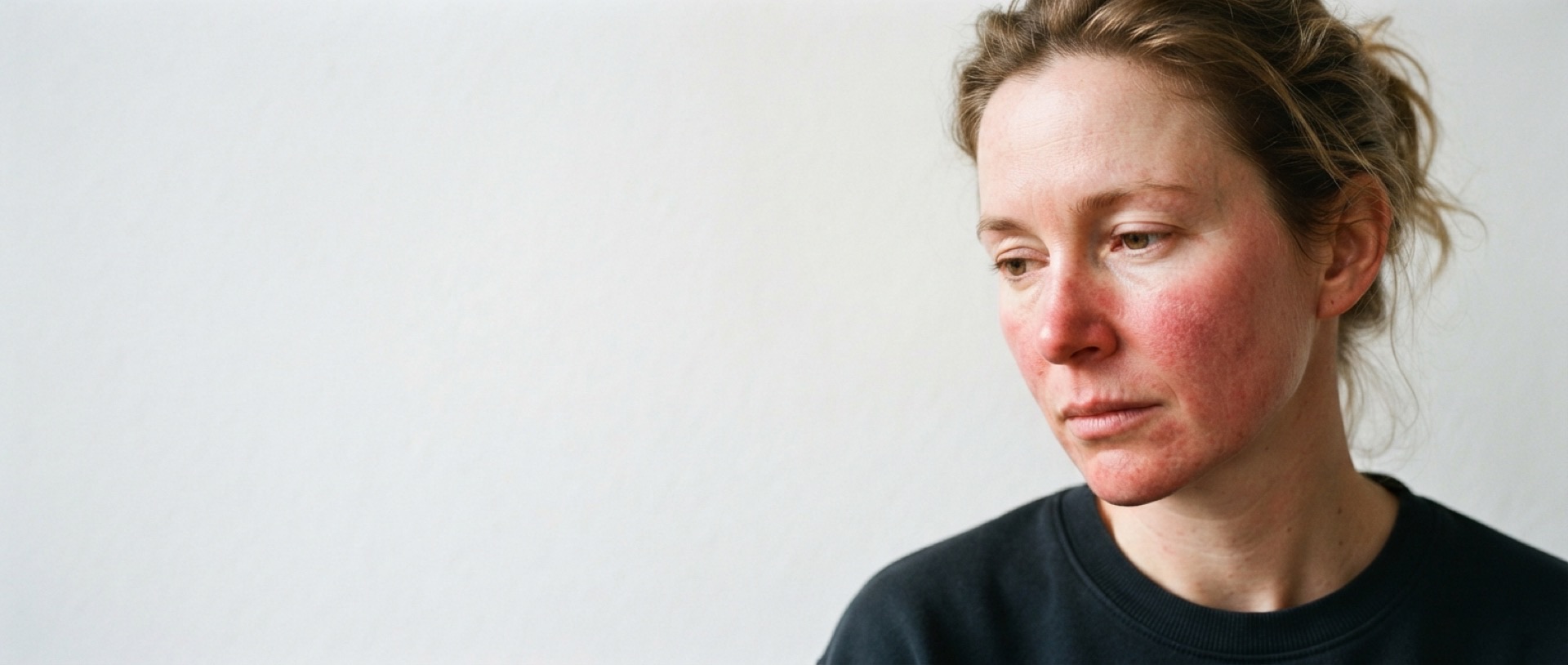
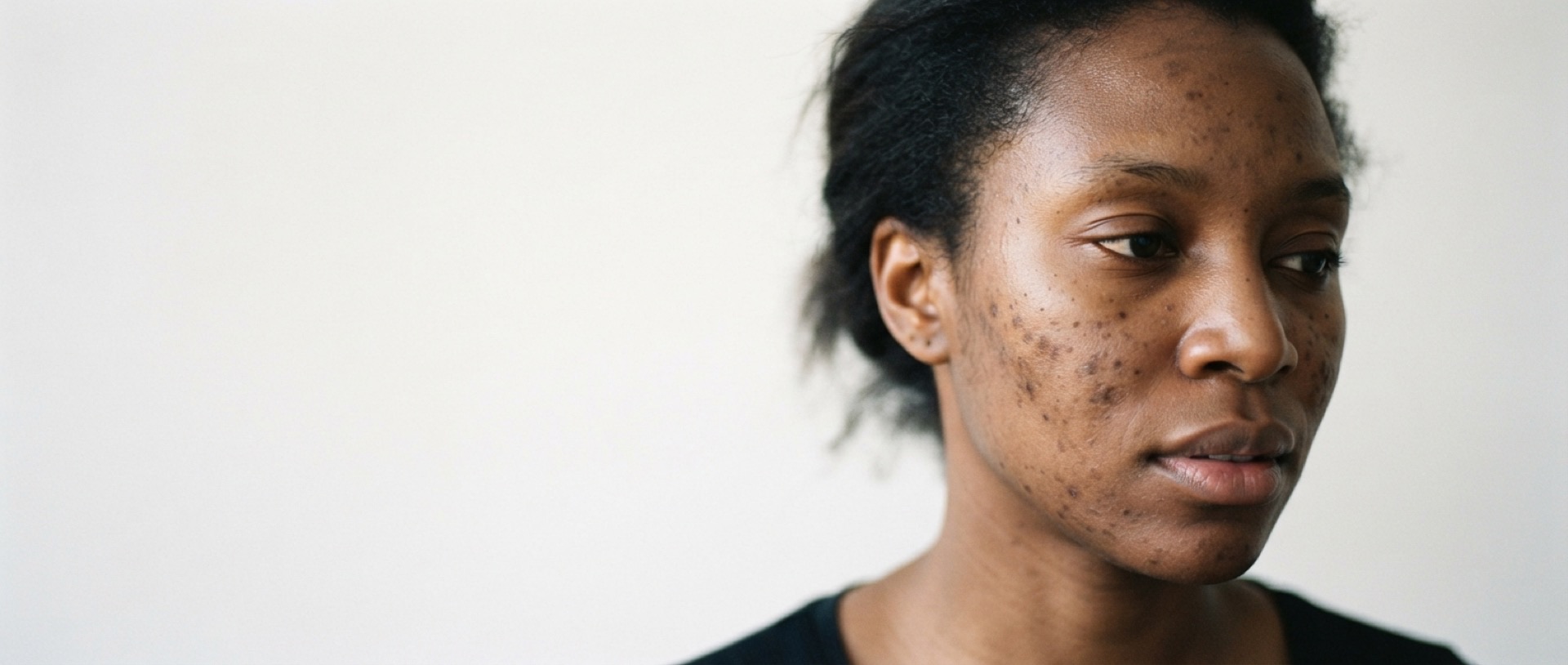
Its anti-inflammatory action helps acne, eczema, psoriasis and general redness, and its antioxidant capacity works against the free-radical damage behind photoageing. It also inhibits melanin production, which is why it appears in brightening masks.
Research also supports a role in wound healing and several skin disorders. The practical drawback is staining – turmeric is a powerful dye and will tint pale skin and fabric yellow.
What ingredients are best paired with turmeric?
In DIY masks it is traditionally combined with yogurt, honey or oatmeal, which buffer the staining and add their own soothing effect.
In formulated products it pairs well with niacinamide and vitamin C for tone, and with ceramides and squalane for barrier support. Patch test first – curcumin causes contact dermatitis in a minority of people. Take our Skin Quiz.
What are fine lines?
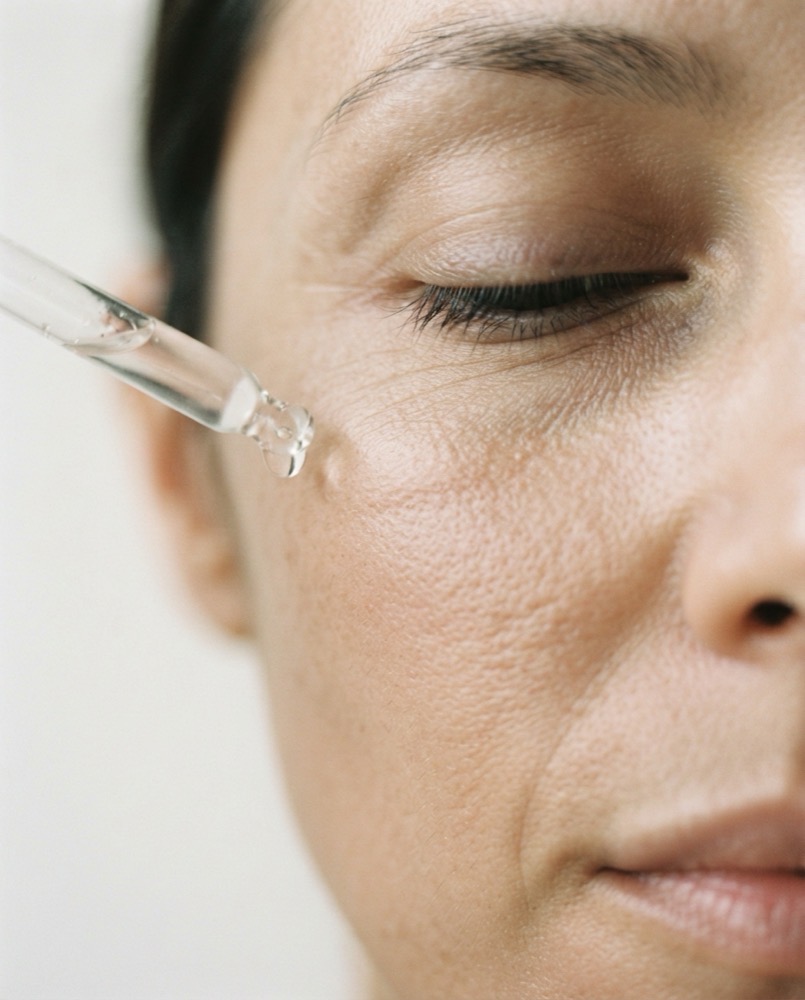
Fine lines are the earliest visible sign of skin ageing: shallow creases that appear where skin is thinnest and most expressive – around the eyes, across the forehead, and at the corners of the mouth.
They differ from established wrinkles in that they are often still dynamic, showing mainly when you smile or squint, and are frequently worsened by dehydration. That makes them the most responsive stage to treat.
What causes fine lines?
Intrinsic ageing does part of the work: collagen production falls by roughly one per cent a year from the mid-twenties, elastin degrades, and the dermal matrix thins so skin no longer springs back.
The larger share is external. Ultraviolet exposure accounts for the majority of visible facial ageing, and pollution, smoking, poor sleep, sugar-driven glycation and repeated facial movement all accelerate it. Dehydration makes existing lines look deeper than they are.
What ingredients are best for fine lines?
Retinol and prescription retinoids have the strongest evidence for stimulating collagen and smoothing texture. Vitamin C protects against free-radical damage while supporting collagen synthesis, and peptides signal the skin to rebuild.
Pair those with hyaluronic acid and ceramides for immediate plumping and barrier support, niacinamide for tone, gentle AHAs for surface renewal, and coenzyme Q10 as an antioxidant. Daily broad-spectrum SPF protects everything else you are doing. Take our Skin Quiz.