

What is turmeric in skincare?
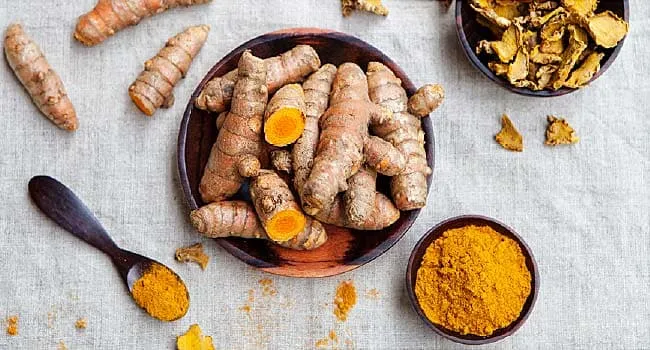
Turmeric is the rhizome of Curcuma longa, a member of the ginger family, ground into the bright yellow powder used in cooking. Its skincare activity comes from curcuminoids – principally curcumin – which are potent antioxidants and anti-inflammatories.
Curcumin is poorly absorbed and unstable on its own, so modern formulations use extracts or encapsulated forms rather than raw powder. Systematic review of clinical evidence finds genuine but modest benefit across a range of skin conditions.
What skin concerns does turmeric treat?
Its anti-inflammatory action helps acne, eczema, psoriasis and general redness, and its antioxidant capacity works against the free-radical damage behind photoageing. It also inhibits melanin production, which is why it appears in brightening masks.
Research also supports a role in wound healing and several skin disorders. The practical drawback is staining – turmeric is a powerful dye and will tint pale skin and fabric yellow.
What ingredients are best paired with turmeric?
In DIY masks it is traditionally combined with yogurt, honey or oatmeal, which buffer the staining and add their own soothing effect.
In formulated products it pairs well with niacinamide and vitamin C for tone, and with ceramides and squalane for barrier support. Patch test first – curcumin causes contact dermatitis in a minority of people. Take our Skin Quiz.
What are dark spots?
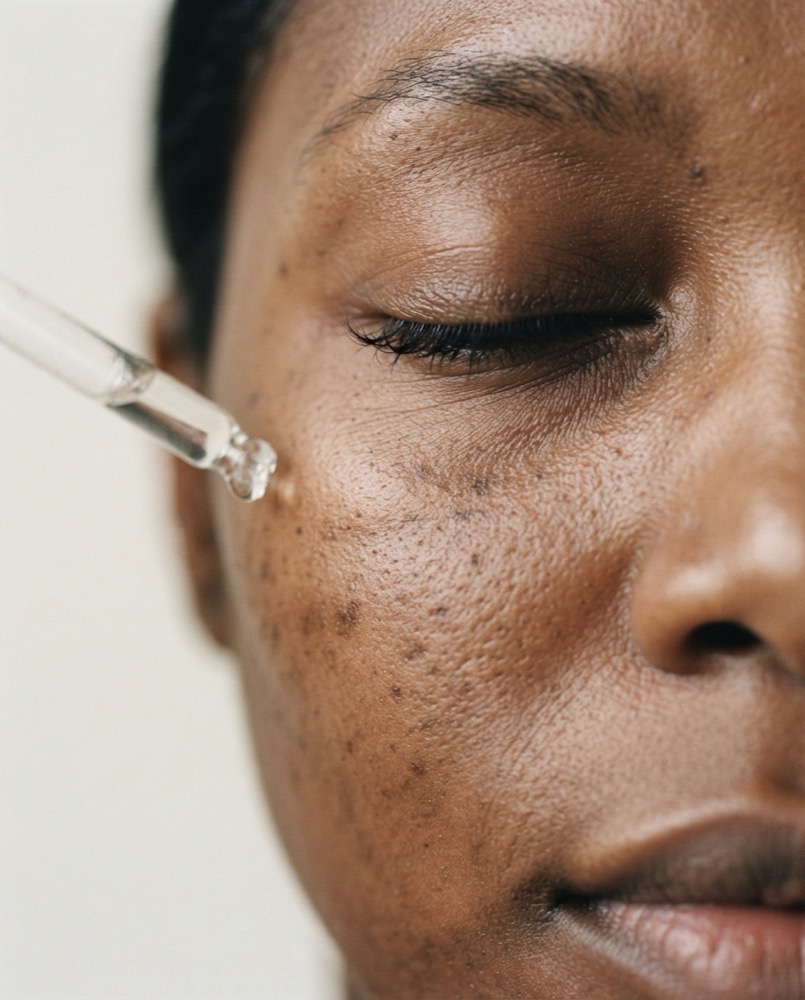
Dark spots are localised patches where the skin has produced more melanin than the surrounding area. The umbrella term covers sun spots, post-acne marks, melasma patches and freckles – different causes, same visible result.
They are flat rather than raised, vary from light tan to deep brown, and are most noticeable on the face, hands and chest. In deeper skin tones they tend to be darker and to last considerably longer.
What causes dark spots?
Two mechanisms dominate. Ultraviolet exposure triggers protective melanin production, and inflammation – from acne, ingrown hairs, eczema, friction, burns or harsh treatments – leaves post-inflammatory hyperpigmentation behind as it heals.
Hormonal change, some medications and heat add to it. Picking at spots is one of the most avoidable causes: the extra inflammation reliably makes the mark darker and longer-lived than the original blemish.
What ingredients are best for dark spots?
Vitamin C, niacinamide and azelaic acid are the everyday workhorses. For stubborn pigment, alpha arbutin, tranexamic acid, kojic acid and liquorice root extract interrupt melanin production directly.
Retinoids and gentle AHAs clear pigmented cells faster from the surface. Give any routine twelve weeks before judging it, and wear broad-spectrum SPF daily or the spots will simply redarken. Take our Skin Quiz.