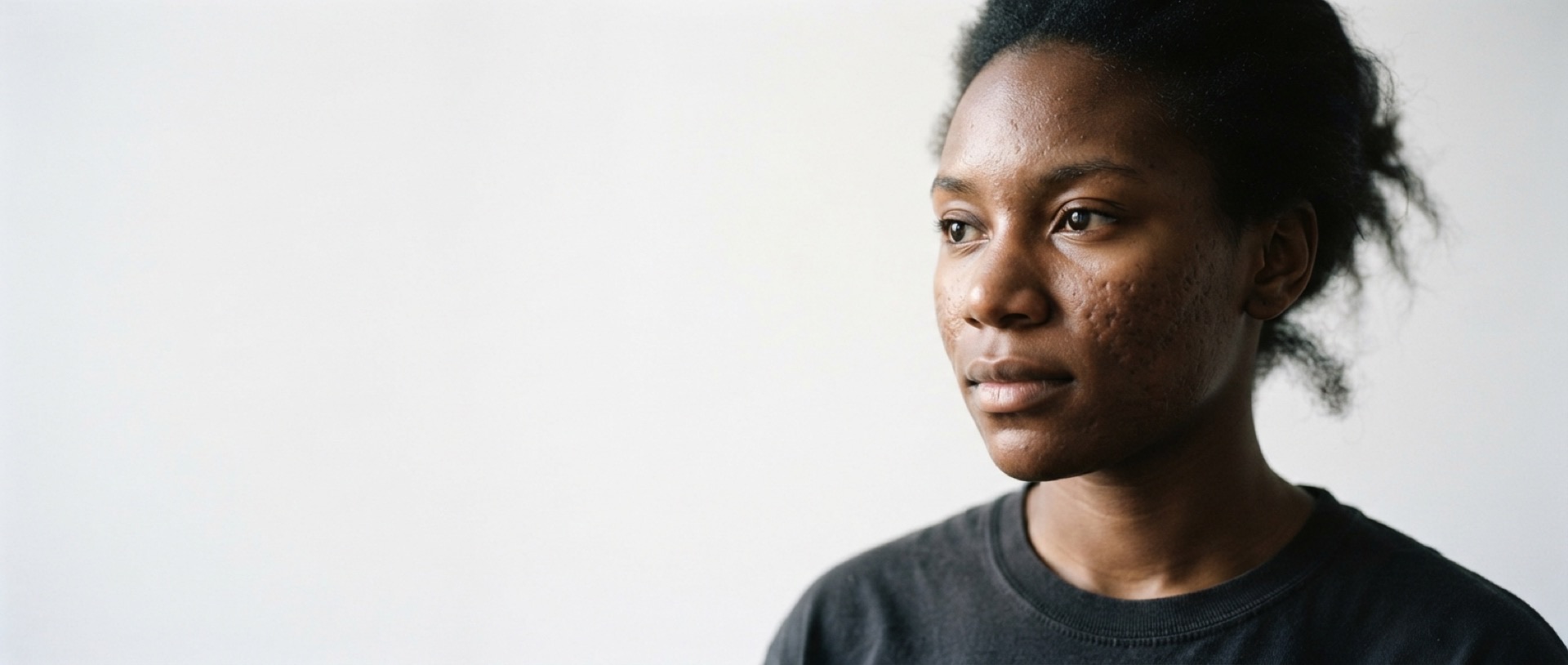
What is turmeric in skincare?
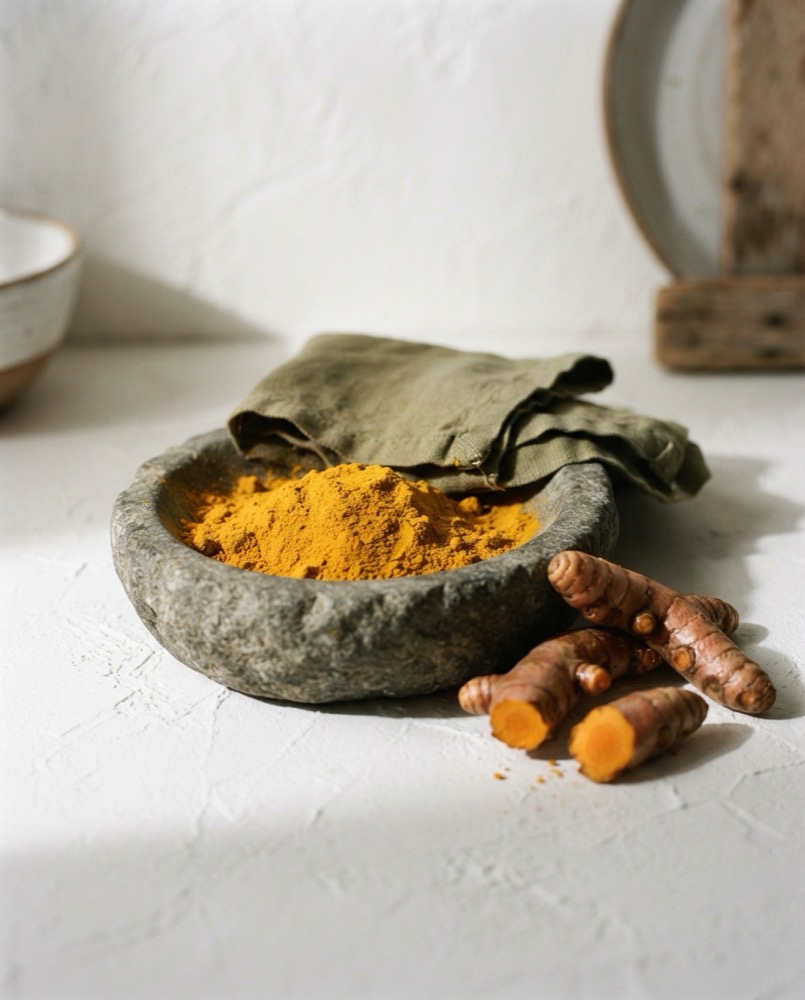
Turmeric is the rhizome of Curcuma longa, a member of the ginger family, ground into the bright yellow powder used in cooking. Its skincare activity comes from curcuminoids – principally curcumin – which are potent antioxidants and anti-inflammatories.
Curcumin is poorly absorbed and unstable on its own, so modern formulations use extracts or encapsulated forms rather than raw powder. Systematic review of clinical evidence finds genuine but modest benefit across a range of skin conditions.
What skin concerns does turmeric treat?
Its anti-inflammatory action helps acne, eczema, psoriasis and general redness, and its antioxidant capacity works against the free-radical damage behind photoageing. It also inhibits melanin production, which is why it appears in brightening masks.
Research also supports a role in wound healing and several skin disorders. The practical drawback is staining – turmeric is a powerful dye and will tint pale skin and fabric yellow.
What ingredients are best paired with turmeric?
In DIY masks it is traditionally combined with yogurt, honey or oatmeal, which buffer the staining and add their own soothing effect.
In formulated products it pairs well with niacinamide and vitamin C for tone, and with ceramides and squalane for barrier support. Patch test first – curcumin causes contact dermatitis in a minority of people. Take our Skin Quiz.
What are age spots?
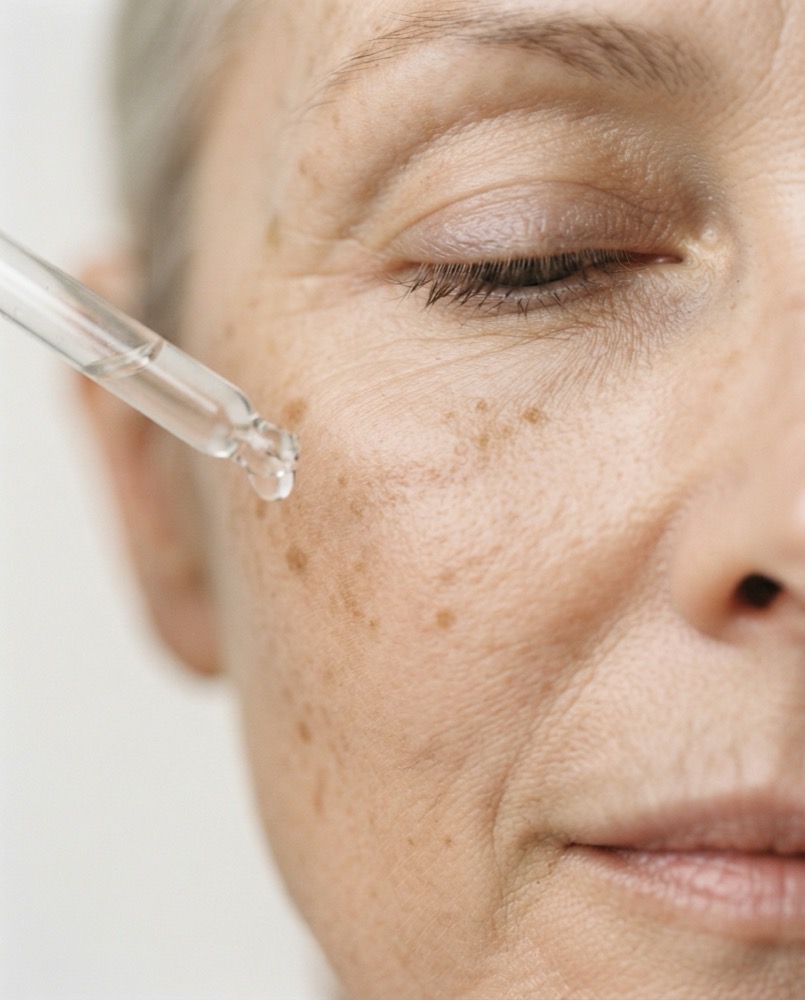
Age spots – known clinically as solar lentigines, and sometimes as liver spots – are flat, well-defined brown or tan patches that appear on skin with the most cumulative sun exposure: the face, backs of the hands, forearms, shoulders and upper chest.
Despite the name, they are not caused by age itself. They are a record of ultraviolet exposure, which is why they are common from the forties onward and why they cluster on areas that rarely get sunscreen.
What causes age spots?
Long-term UV exposure drives melanocytes to over-produce melanin in concentrated spots, and the surrounding keratinocytes stop clearing that pigment efficiently as skin ages.
Fair skin, a history of sunburns, tanning beds and outdoor work all raise the risk. Any new spot that changes shape, colour or size, bleeds or has an irregular border should be checked by a doctor rather than treated cosmetically.
What ingredients are best for age spots?
Topical treatment works but needs patience – expect three to six months. Retinoids speed turnover so pigmented cells shed faster, vitamin C and niacinamide brighten and protect, and alpha arbutin, kojic acid, azelaic acid and liquorice root inhibit new pigment.
Glycolic or lactic acid helps lift existing pigment from the surface. Daily broad-spectrum SPF, including on hands and chest, is what prevents new spots forming. Take our Skin Quiz.