What is tretinoin in skincare?
Tretinoin is all-trans retinoic acid – the biologically active form of vitamin A, and the only one that binds directly to retinoic acid receptors without needing conversion by the skin. It is available on prescription rather than over the counter.
It was the first topical treatment proven to reverse signs of photoageing, and remains the benchmark against which every other anti-ageing active is measured. Common strengths are 0.025%, 0.05% and 0.1%.
What skin concerns does tretinoin treat?
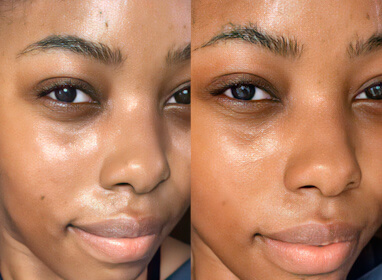
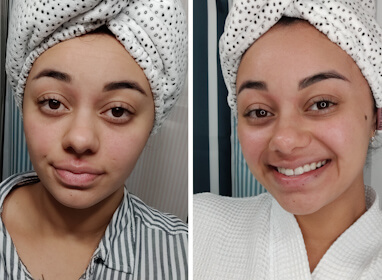
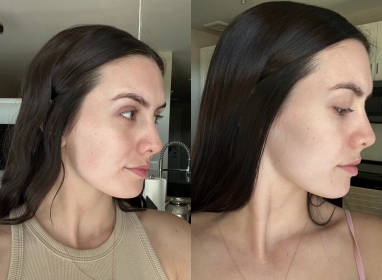
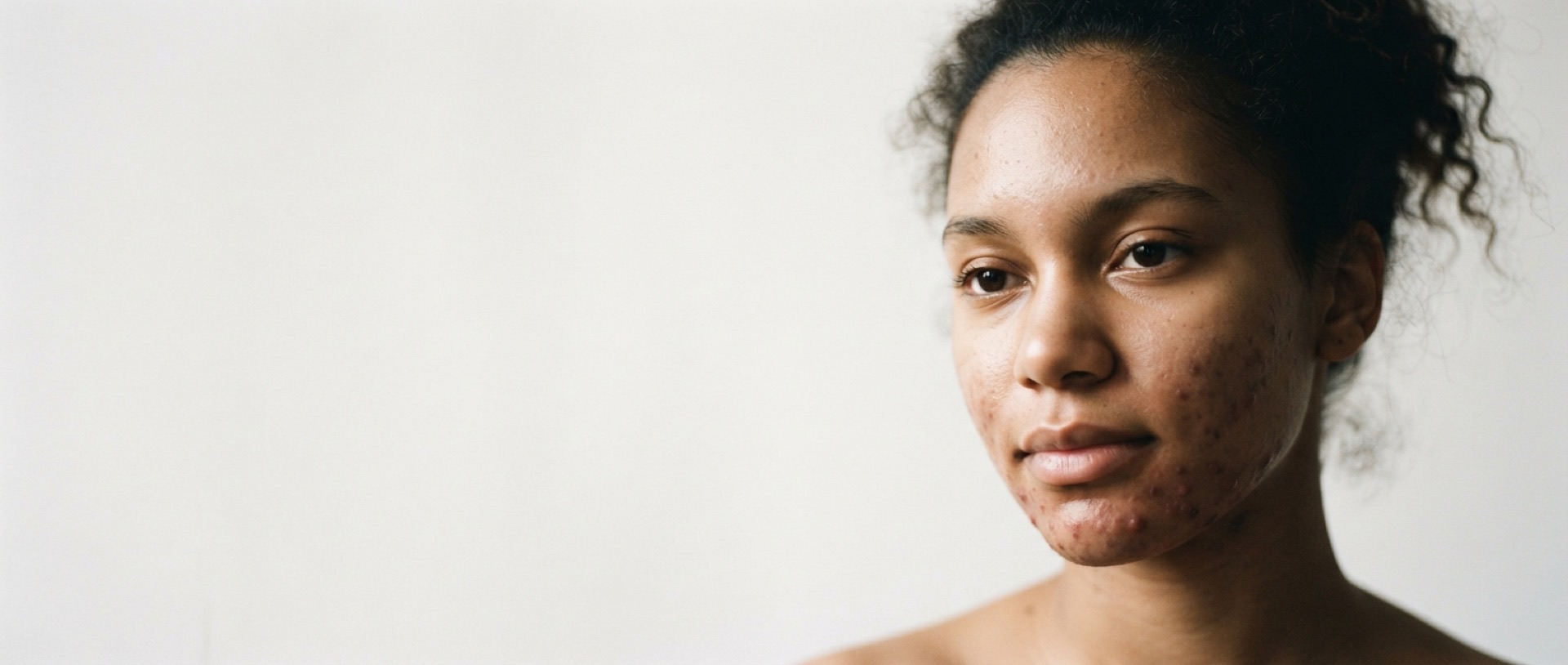
It treats acne at every severity by normalising how follicles shed, and it is extensively documented for photoageing – fine lines, wrinkles, roughness, sallowness and mottled pigmentation.
A vehicle-controlled comparison found 0.025% delivered improvement similar to 0.1% with markedly less irritation, so higher strength is not automatically better.
What ingredients are best paired with tretinoin?
Support the barrier hard: ceramides, hyaluronic acid, niacinamide, panthenol and squalane make the retinisation period far more tolerable. Applying moisturiser before tretinoin (the sandwich method) reduces irritation without eliminating benefit.
Use at night, start two or three times a week, and never skip morning SPF. Do not combine with AHAs, BHAs or benzoyl peroxide in the same application, and do not use it if you are pregnant or trying to conceive. Take our Skin Quiz.
What are clogged pores?
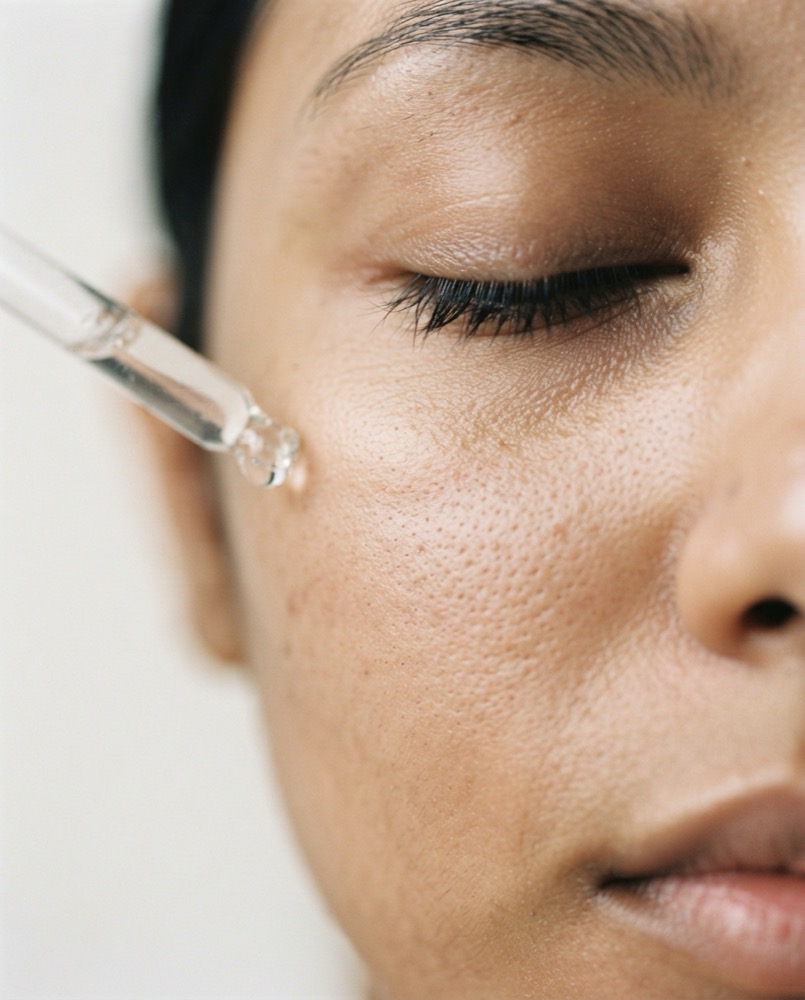
A clogged pore is a hair follicle blocked by a mix of sebum, dead skin cells and debris. Left open to the air the plug oxidises and darkens into a blackhead; sealed over by skin it becomes a whitehead or closed comedone.
Clogged pores are the starting point of nearly all acne – the microcomedone forms first, and inflammation follows only if bacteria and immune response get involved.
What causes clogged pores?
Excess sebum and abnormal keratinisation are the two mechanics. When the follicle lining sheds cells faster than they can clear, they bind with oil and form a plug.
Comedogenic products (heavy oils, some silicones and waxes), thick makeup worn for long stretches, humidity, sweat left on the skin, hormonal shifts and insufficient cleansing all contribute. So does over-cleansing, which damages the barrier and drives oil production up.
What ingredients are best for clogged pores?
Salicylic acid is the first choice because it is oil-soluble and works inside the pore rather than just on the surface. Glycolic and lactic acid clear the surface layer, and clay masks absorb excess oil weekly.
Retinoids are the most effective long-term fix, because they change how the follicle sheds in the first place. Add niacinamide to regulate sebum and keep the barrier intact, and switch to non-comedogenic, lightweight hydrators. Take our Skin Quiz to find products that will not re-clog you.