What is tocopheryl acetate in skincare?
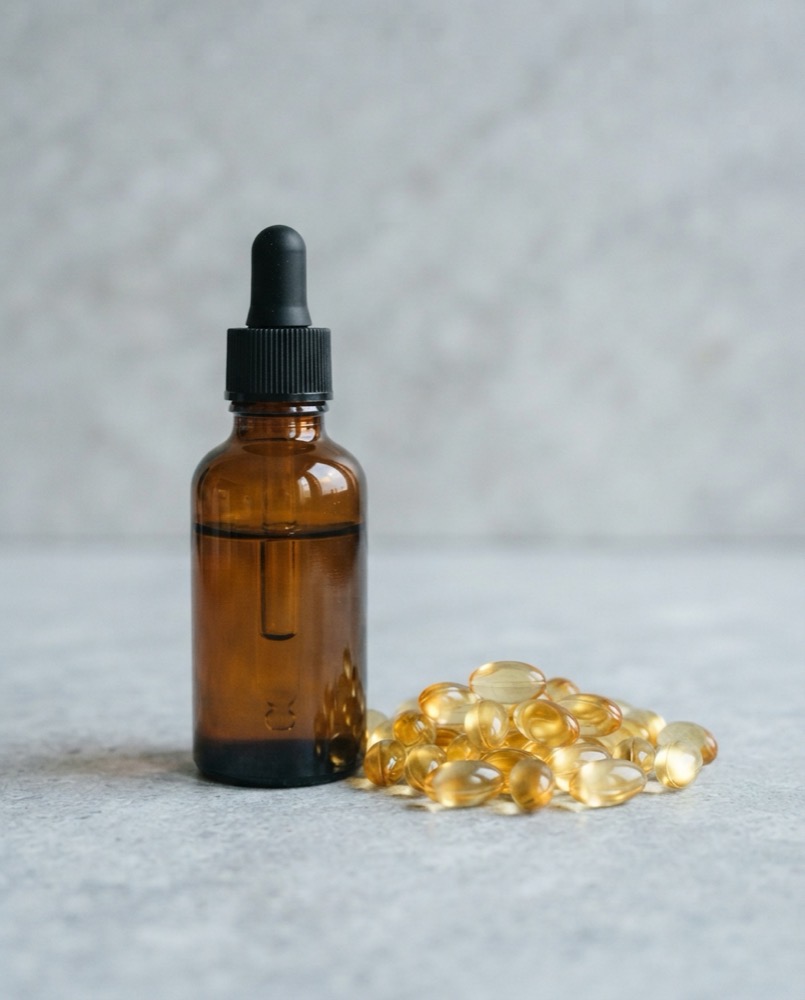
Tocopheryl acetate is vitamin E bound to acetic acid – an ester that is far more stable than free tocopherol and does not oxidise on the shelf. It is the most common form of vitamin E in cosmetic products for exactly that reason.
It is not active as applied. Enzymes in the skin must cleave the acetate group to release alpha-tocopherol, which means the antioxidant effect is slower and somewhat less efficient than the free form.
What skin concerns does tocopheryl acetate treat?
Once converted it does what vitamin E does: scavenges free radicals from UV and pollution, supports the lipid barrier, and softens dry, rough or flaky skin.
Its practical advantage is longevity – a product formulated with tocopheryl acetate keeps working across its full shelf life, where free tocopherol degrades. It is also less likely to cause the contact irritation that neat vitamin E oil sometimes does.
What ingredients are best paired with tocopheryl acetate?
It complements vitamin C and ferulic acid, though serums built for maximum photoprotection generally use free tocopherol because it acts immediately.
For everyday moisturisers it pairs well with ceramides, squalane, glycerin and niacinamide, adding antioxidant support and emollience without instability. Suitable for most skin types, including sensitive. Take our Skin Quiz.
What are sun spots?
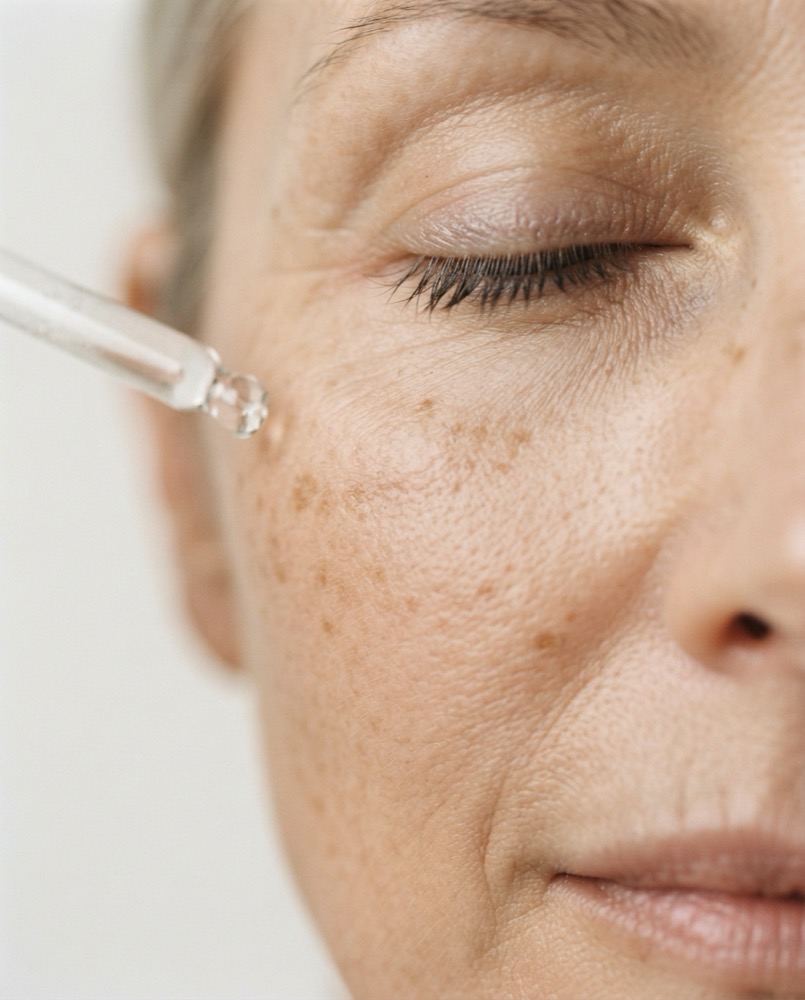
Sun spots are flat patches of concentrated pigment that form where skin has taken the most ultraviolet exposure – cheeks, nose, forehead, hands, shoulders and chest. Dermatologists call them solar lentigines; they are the same thing as age spots.
They are harmless, but they are a visible marker of accumulated photodamage, and they usually arrive alongside other signs of it: fine lines, loss of firmness and an uneven overall tone.
What causes sun spots?
UV radiation prompts melanocytes to produce extra melanin as a defence. With repeated exposure that response becomes localised and fixed, leaving discrete patches instead of an even tan that fades.
Tanning beds, sunburns in childhood, fair skin and outdoor time without protection all increase the count. Incidental exposure – driving, walking, sitting near a window – adds up more than most people expect.
What ingredients are best for sun spots?
Retinoids to accelerate turnover, vitamin C to protect and brighten, and pigment inhibitors such as alpha arbutin, kojic acid, azelaic acid, tranexamic acid and liquorice root are the core toolkit.
Gentle AHAs help shift surface pigment, and niacinamide slows the transfer of melanin into skin cells. None of it holds without daily broad-spectrum SPF and reapplication. Take our Skin Quiz.