What is shea butter in skincare?
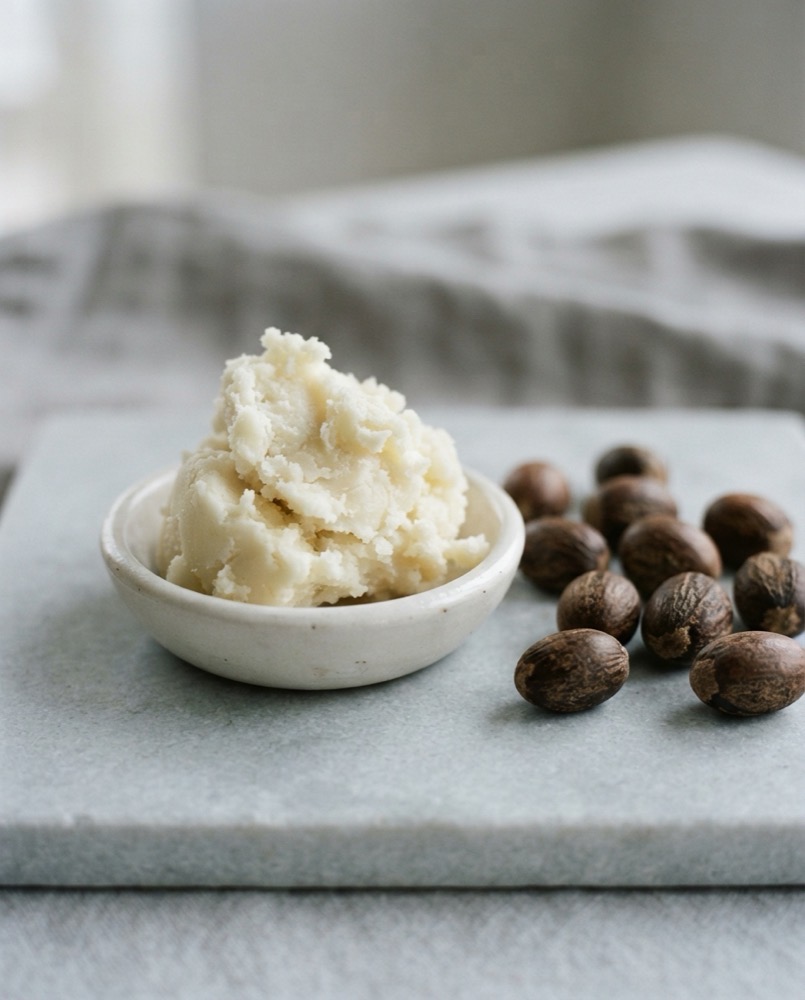
Shea butter is the fat extracted from the nuts of the African shea tree, Vitellaria paradoxa. It is solid at room temperature and melts at body heat, which is why it feels rich going on and sinks in once warmed.
Its value lies in the unsaponifiable fraction – an unusually high 5 to 10% of triterpenes, tocopherols and phytosterols, far more than most plant fats. Those compounds give it anti-inflammatory and barrier-repair activity beyond simple occlusion.
What skin concerns does shea butter treat?
It is a first-line choice for very dry, rough or cracked skin, and for eczema, psoriasis and winter-damaged hands and lips. It reduces water loss substantially while calming inflammation at the same time.
It also soothes after sun exposure, softens scars and stretch marks, and protects skin exposed to cold and wind. Unrefined shea retains more actives but has a nutty smell; refined shea is neutral but less potent.
What ingredients are best paired with shea butter?
Use it as the final occlusive layer over humectants such as glycerin and hyaluronic acid, and alongside ceramides for a complete barrier routine.
It is ideal for buffering the dryness of retinoids and acids on body skin. It sits mid-range on the comedogenic scale, so keep it to the body and dry patches if your face is oily or breakout-prone. Those with tree nut allergies should patch test. Take our Skin Quiz.
What is redness?
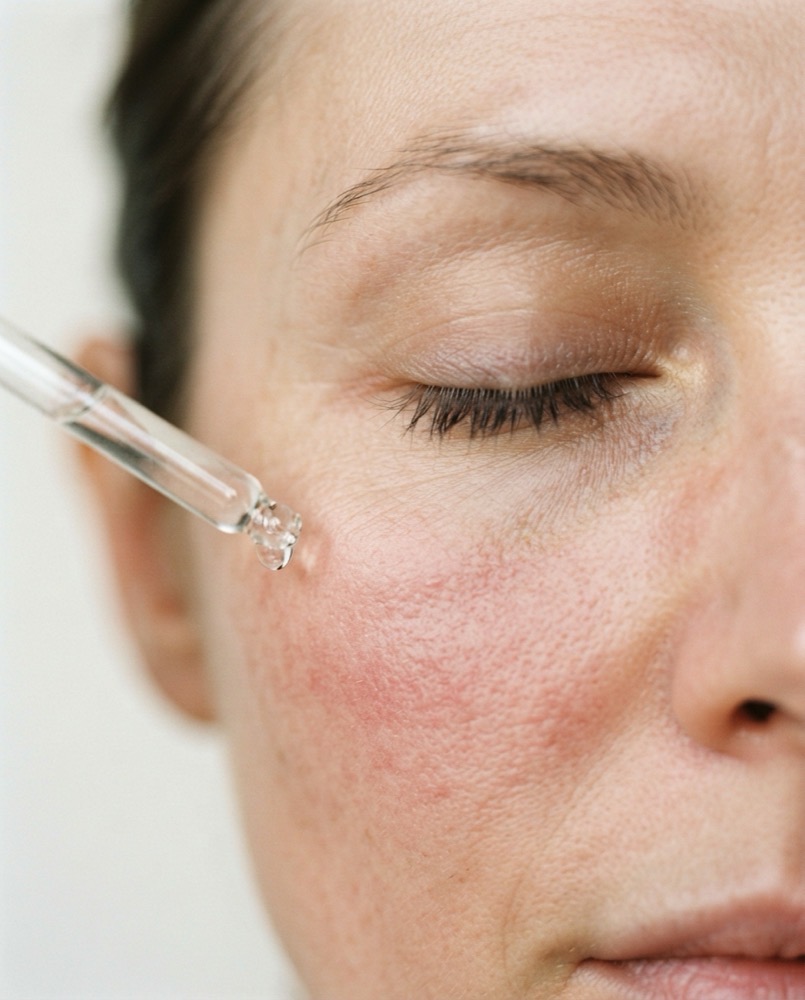
Facial redness is visible dilation of the small blood vessels near the skin’s surface. It ranges from transient flushing that comes and goes, to persistent erythema across the cheeks and nose, to fixed thread veins that stay visible all the time.
Redness is a symptom rather than a diagnosis. It can signal rosacea, irritation, an over-exfoliated barrier, eczema, an allergic reaction or simply reactive skin that responds strongly to heat and stress.
What causes redness?
Most persistent redness traces back to a compromised barrier and heightened nerve sensitivity. When the barrier thins, irritants penetrate more easily and the skin mounts an inflammatory response to things it would normally tolerate.
Common aggravators: over-exfoliation, high-strength actives used too often, fragrance and essential oils, hot water, alcohol, spicy food, sudden temperature change, sun exposure and stress. Trying to treat redness with more actives usually deepens it.
What ingredients are best for redness?
Prioritise calming and rebuilding over correcting. Niacinamide, azelaic acid, centella asiatica, green tea extract, liquorice root, allantoin, bisabolol and colloidal oatmeal all reduce visible inflammation.
Then repair the barrier with ceramides, cholesterol, fatty acids, glycerin, panthenol and squalane, and protect it with a gentle mineral SPF. Strip the routine back to cleanser, moisturiser and sunscreen for a few weeks before reintroducing anything active. Take our Skin Quiz.