What is tocopheryl acetate in skincare?
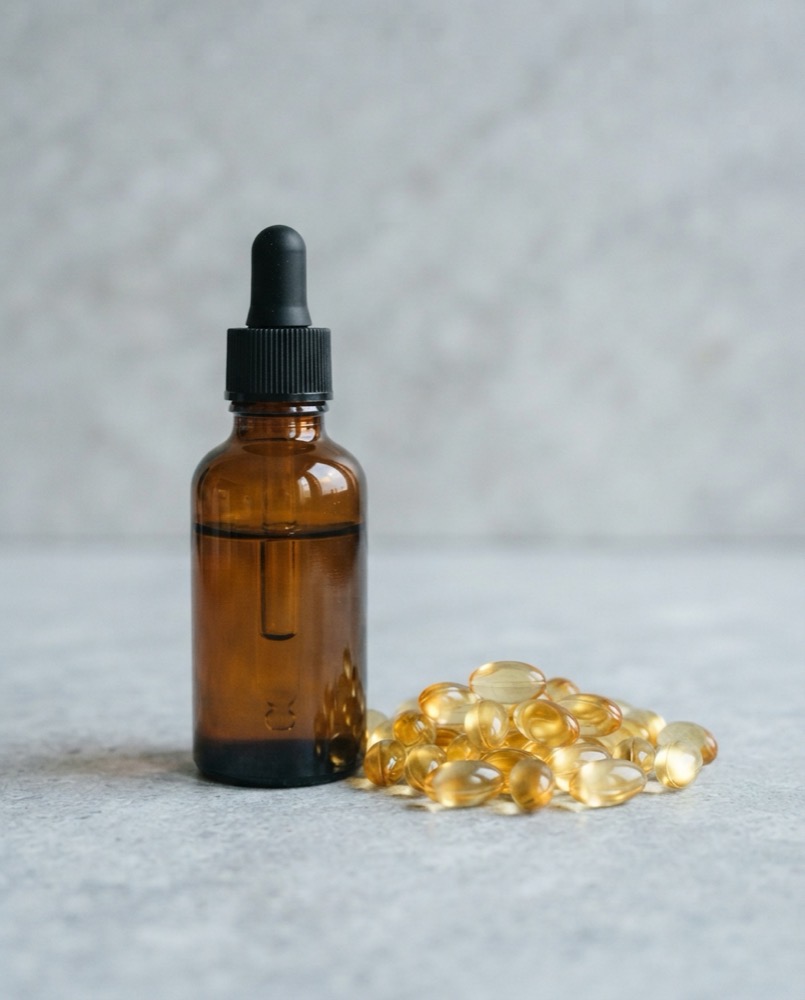
Tocopheryl acetate is vitamin E bound to acetic acid – an ester that is far more stable than free tocopherol and does not oxidise on the shelf. It is the most common form of vitamin E in cosmetic products for exactly that reason.
It is not active as applied. Enzymes in the skin must cleave the acetate group to release alpha-tocopherol, which means the antioxidant effect is slower and somewhat less efficient than the free form.
What skin concerns does tocopheryl acetate treat?
Once converted it does what vitamin E does: scavenges free radicals from UV and pollution, supports the lipid barrier, and softens dry, rough or flaky skin.
Its practical advantage is longevity – a product formulated with tocopheryl acetate keeps working across its full shelf life, where free tocopherol degrades. It is also less likely to cause the contact irritation that neat vitamin E oil sometimes does.
What ingredients are best paired with tocopheryl acetate?
It complements vitamin C and ferulic acid, though serums built for maximum photoprotection generally use free tocopherol because it acts immediately.
For everyday moisturisers it pairs well with ceramides, squalane, glycerin and niacinamide, adding antioxidant support and emollience without instability. Suitable for most skin types, including sensitive. Take our Skin Quiz.
What are acne scars?
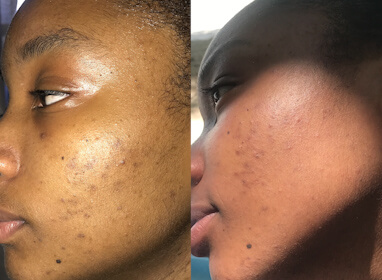
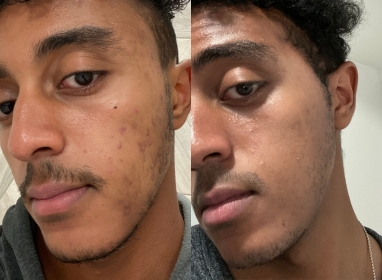
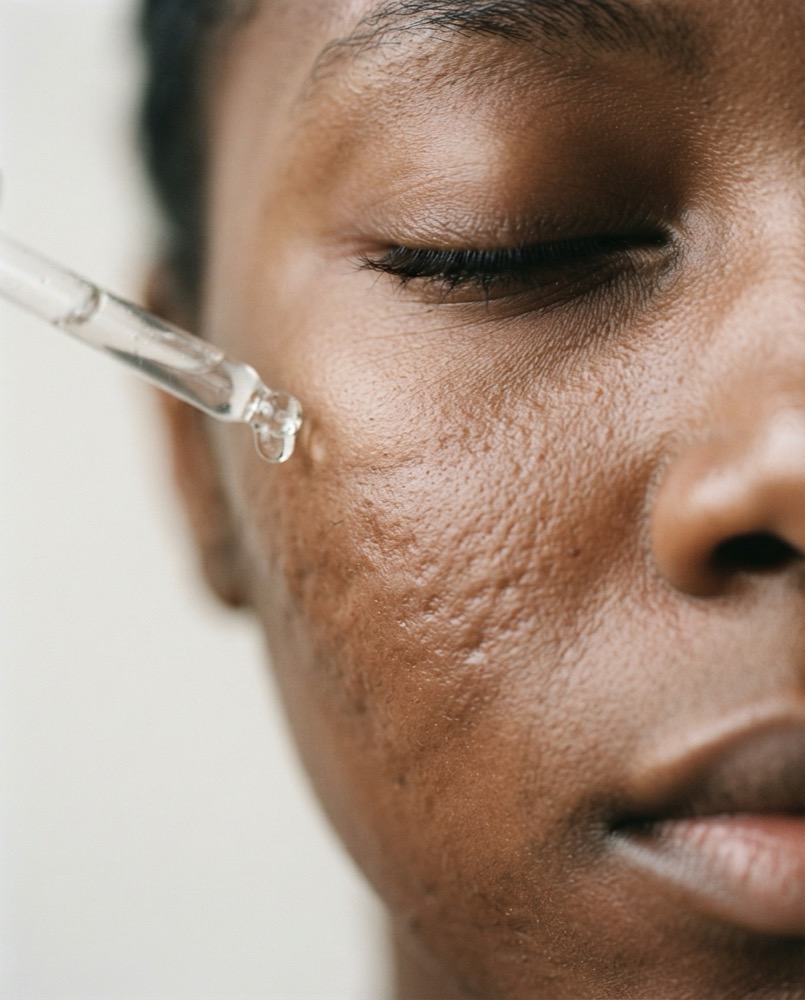
Acne scars are permanent changes in skin texture left behind after inflammatory acne damages the dermis. They fall into two families: atrophic scars, which sit below the surface as ice-pick, boxcar or rolling depressions, and hypertrophic or keloid scars, which sit raised above it.
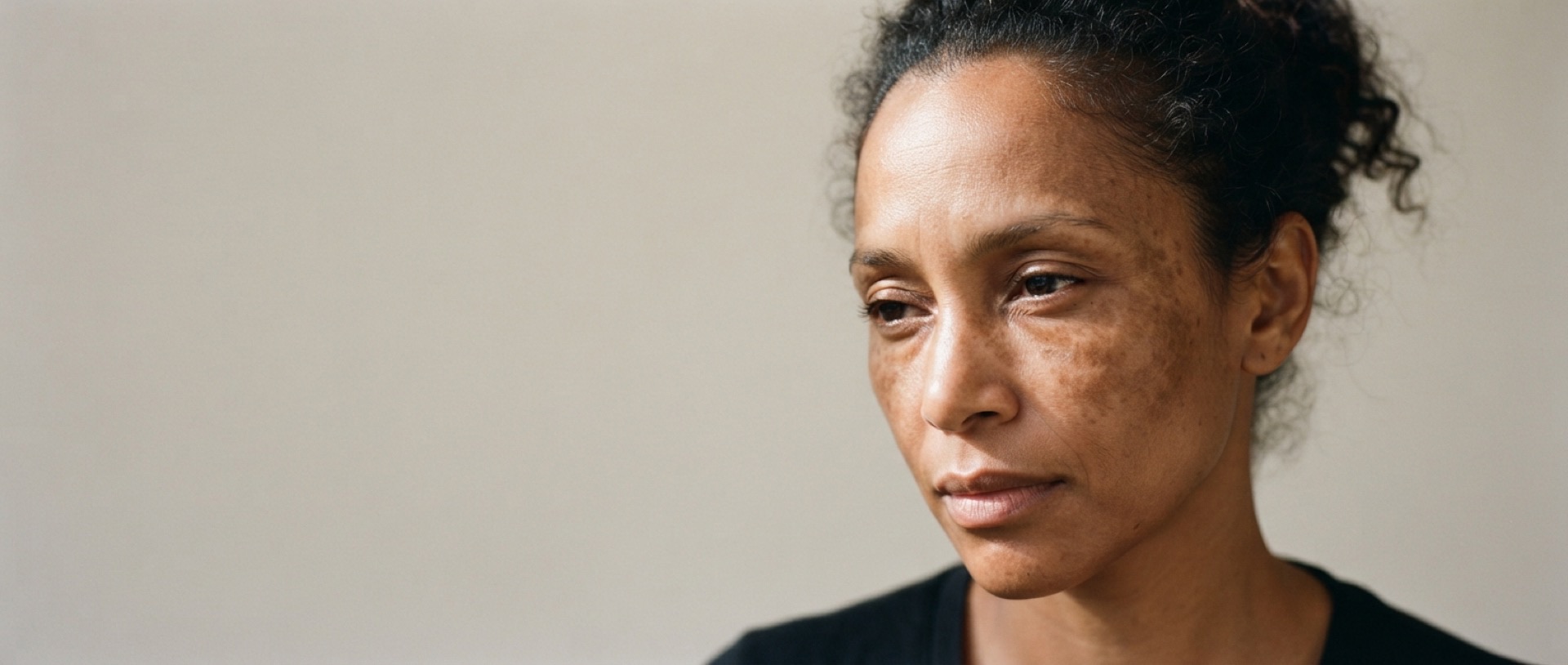
What most people call scarring is often post-inflammatory hyperpigmentation or erythema – flat brown or red marks with no texture change. Those fade on their own; true atrophic scars do not.
What causes acne scars?
Scarring happens when inflammation reaches deep enough to destroy collagen and the repair process either lays down too little (atrophic) or too much (hypertrophic). Deep nodular and cystic lesions carry the highest risk.
Delaying treatment, picking or squeezing, and prolonged inflammation all increase the odds. Genetics play a large part in who scars and how, which is why two people with identical acne can heal very differently.
What ingredients are best for acne scars?
For flat marks, ingredients that speed turnover and calm pigment work well: retinoids, vitamin C, niacinamide, azelaic acid, alpha arbutin and AHAs, with daily SPF to stop marks darkening again.
For true textural scarring, topicals can soften but not erase – retinoids and peptides help remodel collagen over months, while in-clinic options like microneedling, resurfacing and subcision do the heavy lifting. Preventing new inflammation is the highest-value step. Take our Skin Quiz.