What is tocopherol in skincare?
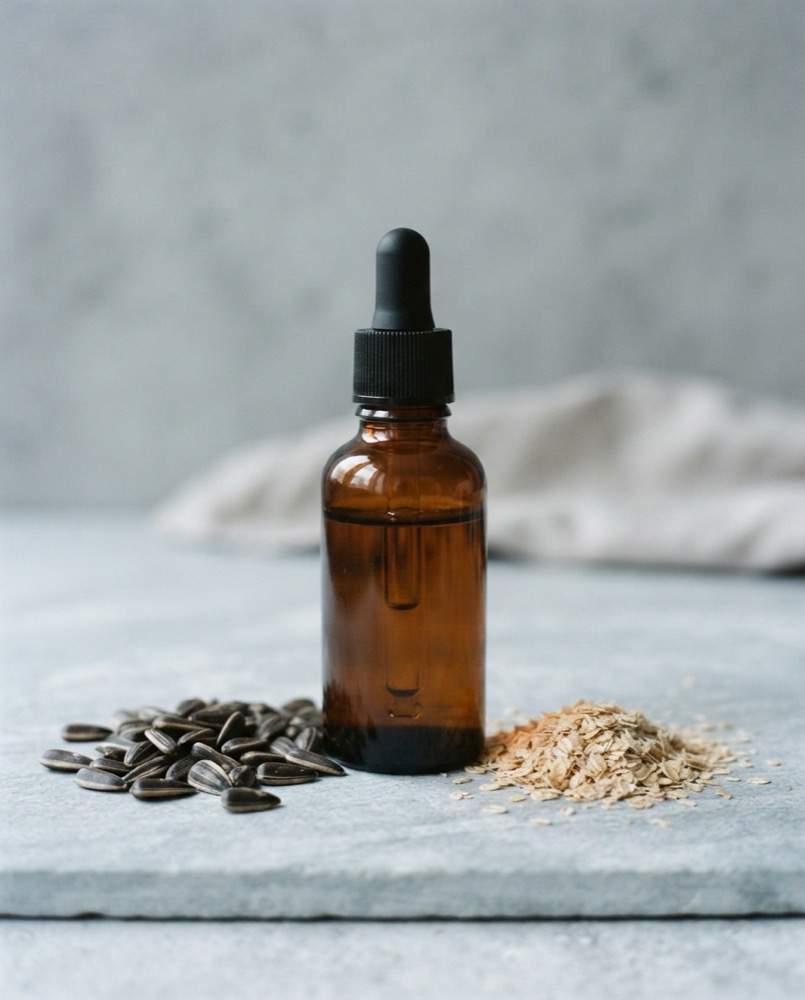
Tocopherol is the INCI name for vitamin E in its natural, unesterified form – most often alpha-tocopherol, the variant the body uses most readily. If you see it on an ingredients list, you are looking at active vitamin E rather than a precursor.
Being fat-soluble, it embeds in the lipid layers of the skin barrier, where it neutralises free radicals and protects cell membranes from oxidation.
What skin concerns does tocopherol treat?
It defends against UV and pollution-driven oxidative stress, conditions dry and rough skin as an emollient, and helps the barrier retain water. In formulations it doubles as a preservative for other oils, slowing rancidity.
It is often included at low percentages precisely for that stabilising role. As a standalone treatment for scars or stretch marks the evidence is thin, and undiluted tocopherol oil can irritate sensitive skin.
What ingredients are best paired with tocopherol?
Pairing it with vitamin C and ferulic acid is the best-documented combination, producing greater photoprotection than any of them alone and keeping the vitamin C stable for longer.
It also sits comfortably with squalane, ceramides, niacinamide and plant oils. Acne-prone skin should look for it in a lightweight serum rather than a rich balm. Take our Skin Quiz.
What is uneven skin tone?
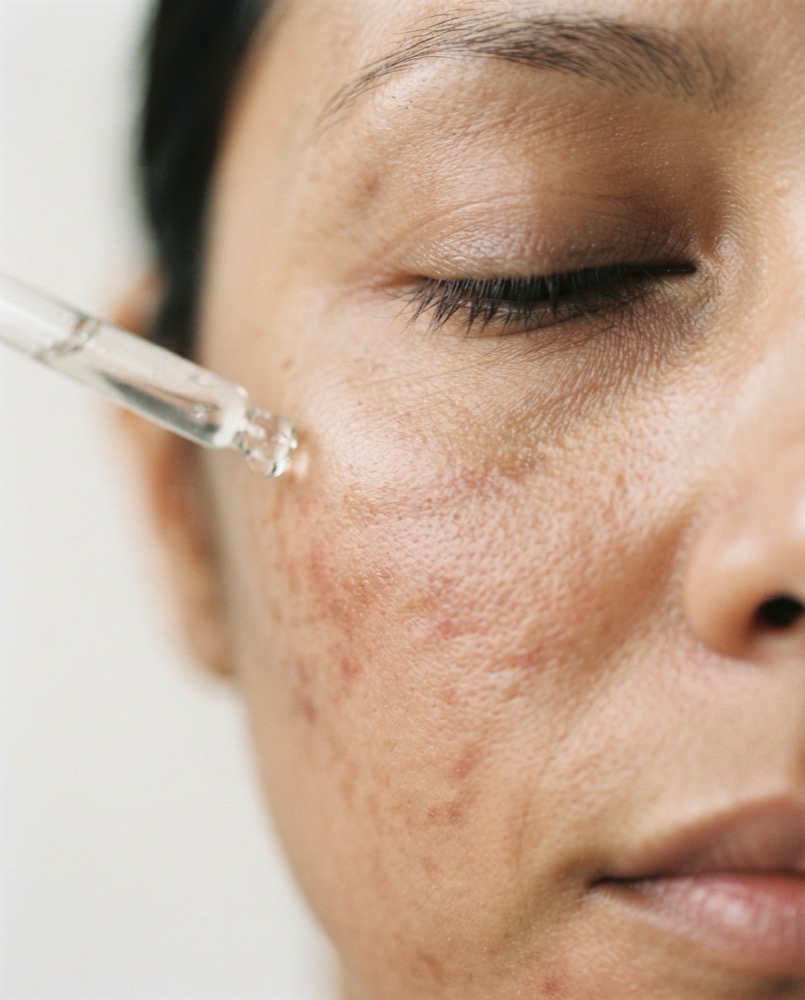
Uneven skin tone describes a complexion that reads patchy rather than uniform – a mix of darker and lighter areas, lingering red or brown marks, blotchy cheeks, and a general loss of clarity.
It usually combines several things at once: hyperpigmentation from sun or inflammation, persistent redness, and surface build-up of dead cells that makes the whole face look mottled and dull.
What causes uneven skin tone?
Ultraviolet exposure is the dominant cause, stimulating melanin unevenly across the face. Post-inflammatory marks from acne, eczema or irritation add brown or red patches that can persist for months.
Hormonal pigmentation, slowed cell turnover with age, dehydration, pollution, smoking and a damaged barrier all compound it. Aggressive scrubbing or unsupervised strong actives frequently make tone more uneven, not less.
What ingredients are best for uneven skin tone?
Vitamin C and niacinamide are the reliable everyday choices – one protects and brightens, the other evens tone and strengthens the barrier. Azelaic acid is unusually useful because it addresses brown marks and redness at once.
Add gentle exfoliation with lactic or glycolic acid to clear surface build-up, retinol to accelerate turnover, and alpha arbutin or tranexamic acid for stubborn pigment. Daily broad-spectrum SPF is what makes the results stick. Take our Skin Quiz.